Lenses Types

When we talk about photography , the most important element attached to it to obtain great result is Lenses. It determine the quality of your photography. A good camera lens will capture sharp photos with plenty of detail and contrast, while a poor one can leave your images looking flat and blurry.
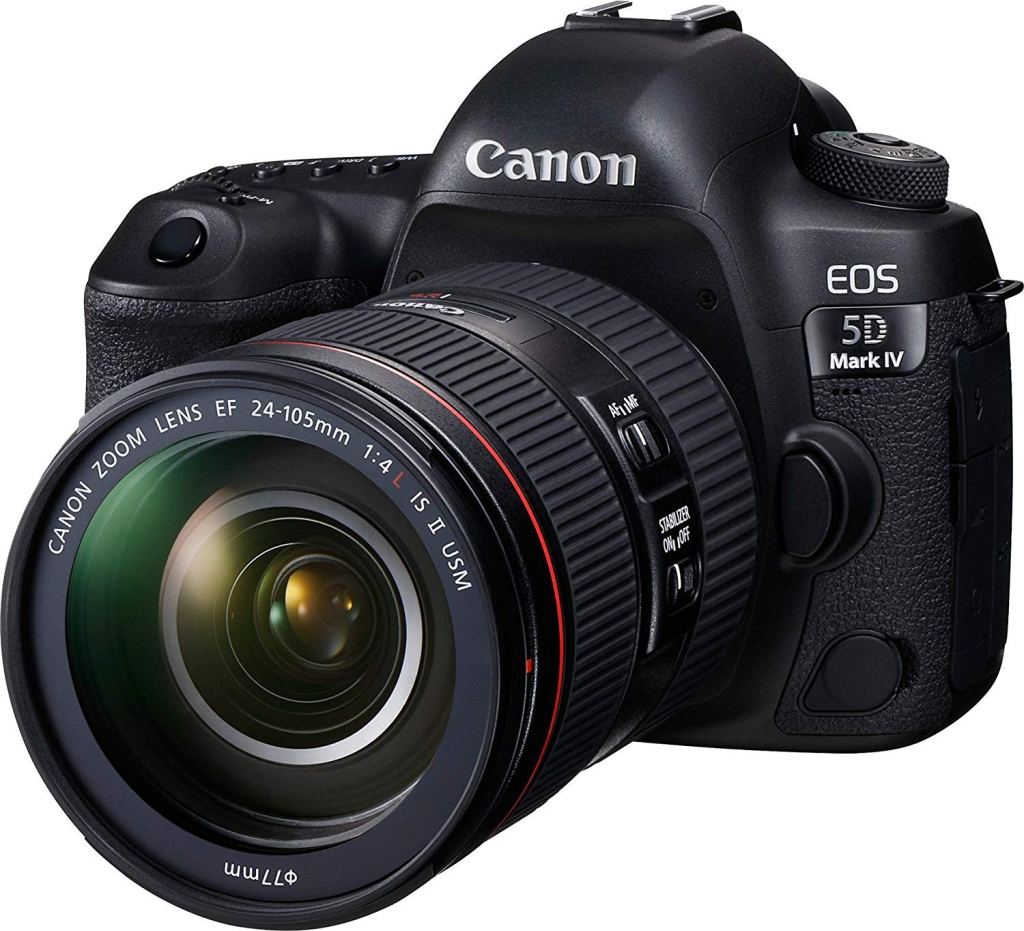
When searching for lenses, it’s important to consider the subject/area you intend to shoot, the likely lighting conditions, and of course your budget. No single lens is perfect for every situation, so you’ll need to balance the pros and cons of the various options and pick the best compromise.

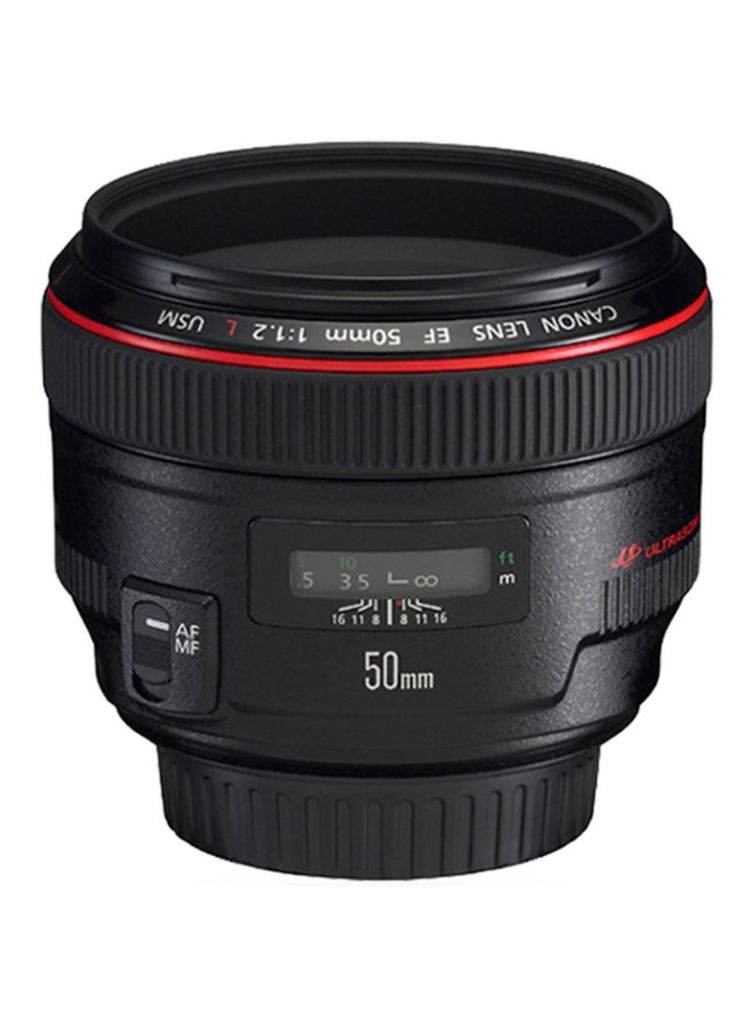
STANDARD LENS/ PRIME LENS

Prime lenses are a fixed focal length. That means that if you choose a 35mm lens, it will ONLY give you a 35mm perspective (meaning you can’t zoom in and out).  You can only shoot from one length, meaning you have to move your physical body to get wide shots vs close ups.  Primes lenses tend to work for ALL types of photography, specifically street photography, portraits, weddings, landscape, etc.
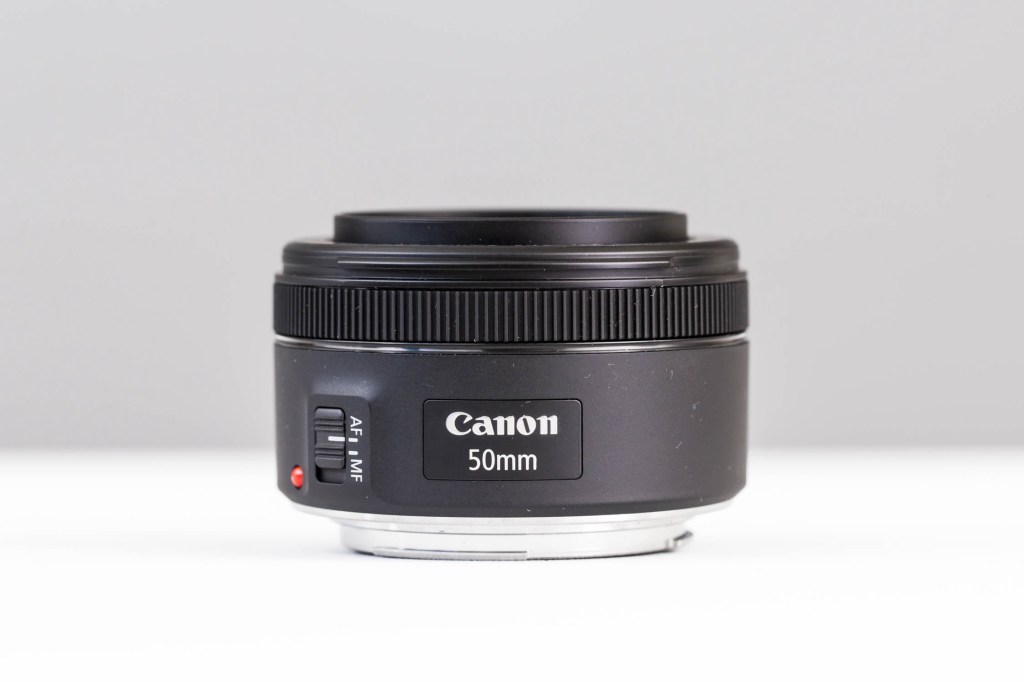
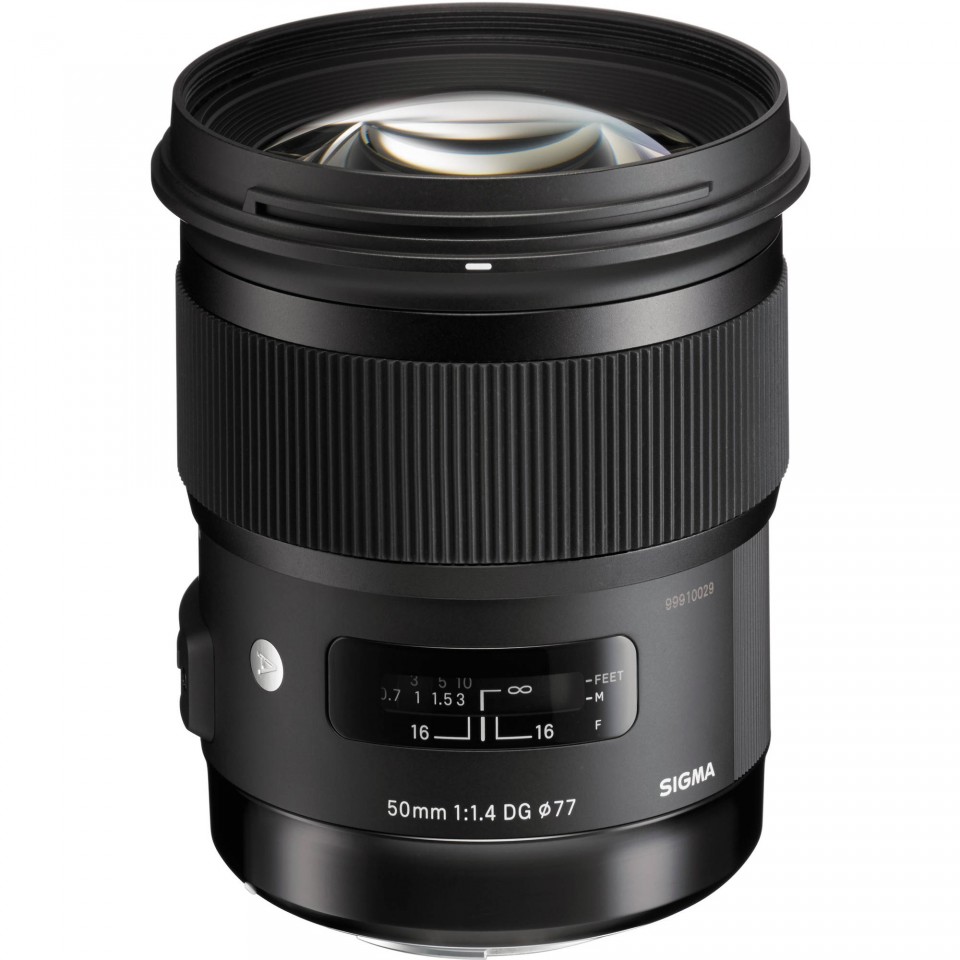
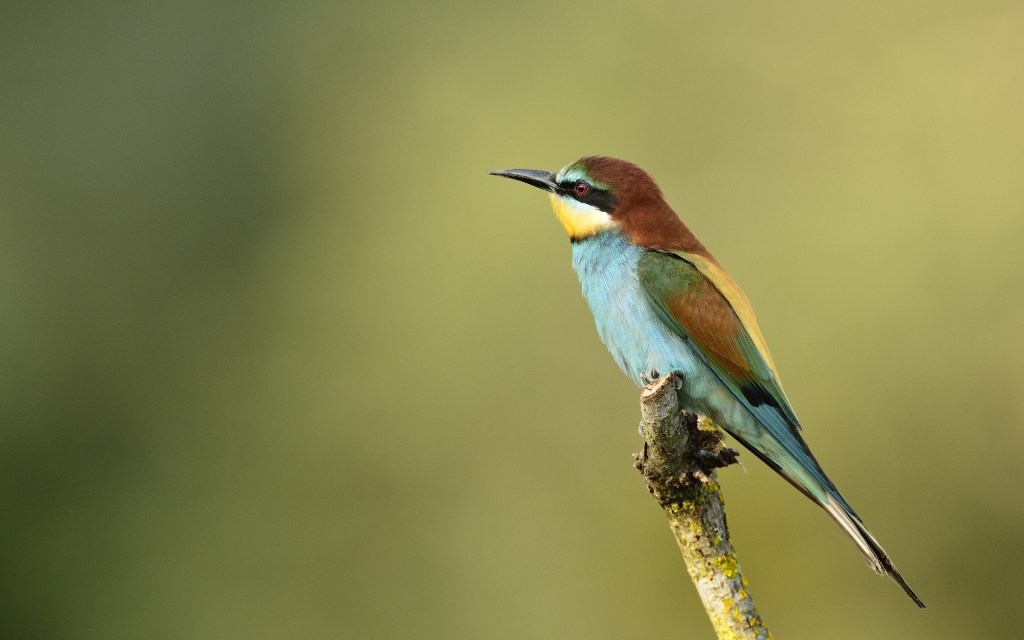
his shows the different perspectives given the different focal lengths you may choose. A 24mm lens will give you the widest view, while a 135mm will crop in much closer! (Remember that if you have a crop sensor camera, these fixed focal lengths are about 1.5x longer.)

Types of Standard Prime Lenses: 24mm, 35mm, 50mm, 85mm, 135mm, 200mm
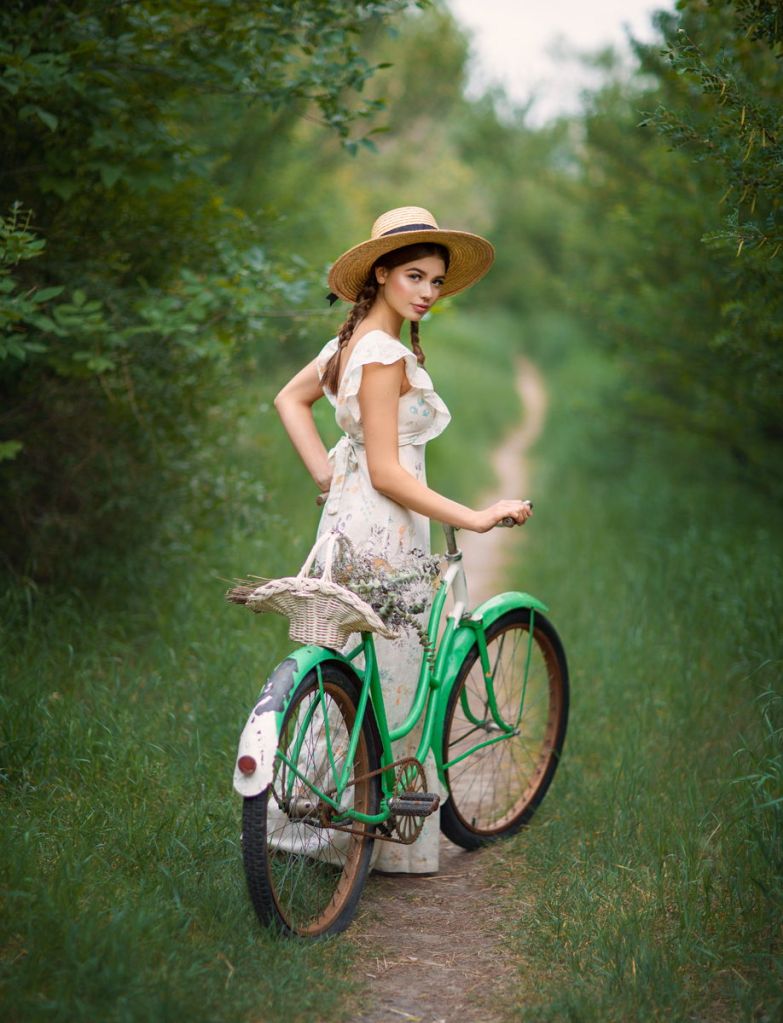
Pros:

  1. Usually deliver sharper images overall, compared to zoom lenses.
  2. Light weight.
  3. Better in low light conditions.
  4. Great for general photography from interiors, to landscapes and portraits.

Cons:

  1. Fixed length, won’t zoom.
  2. The need to carry multiple lenses.

MACRO LENS

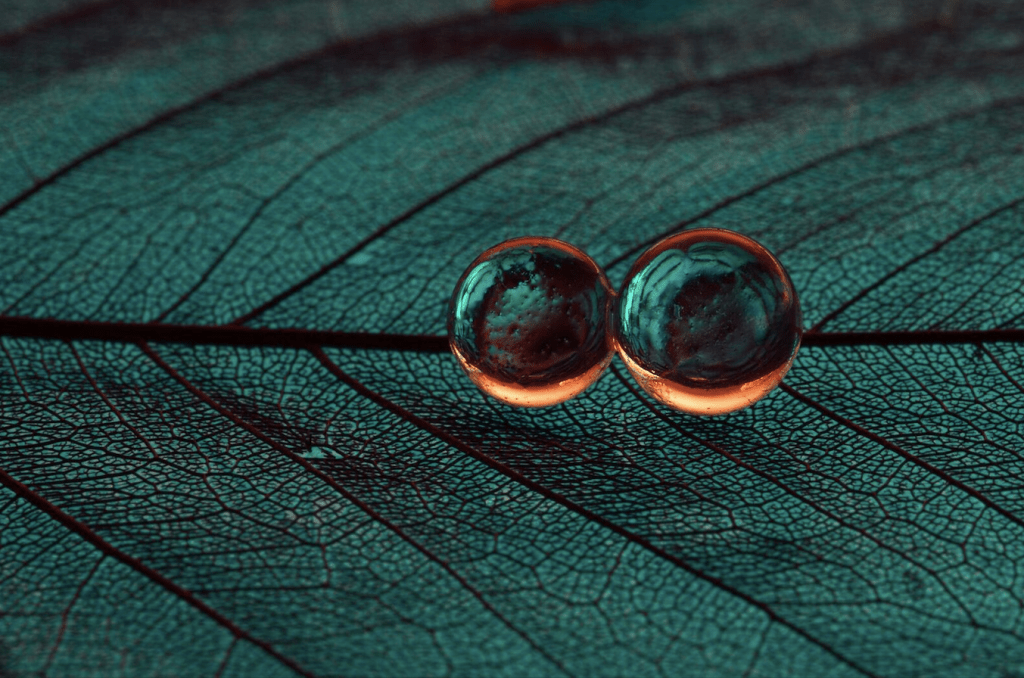
A macro lens is one designed especially for close-up photography. They have a different internal construction from normal lenses which gives them very good sharpness and contrast, meaning that they produce some really eye-catching photos.
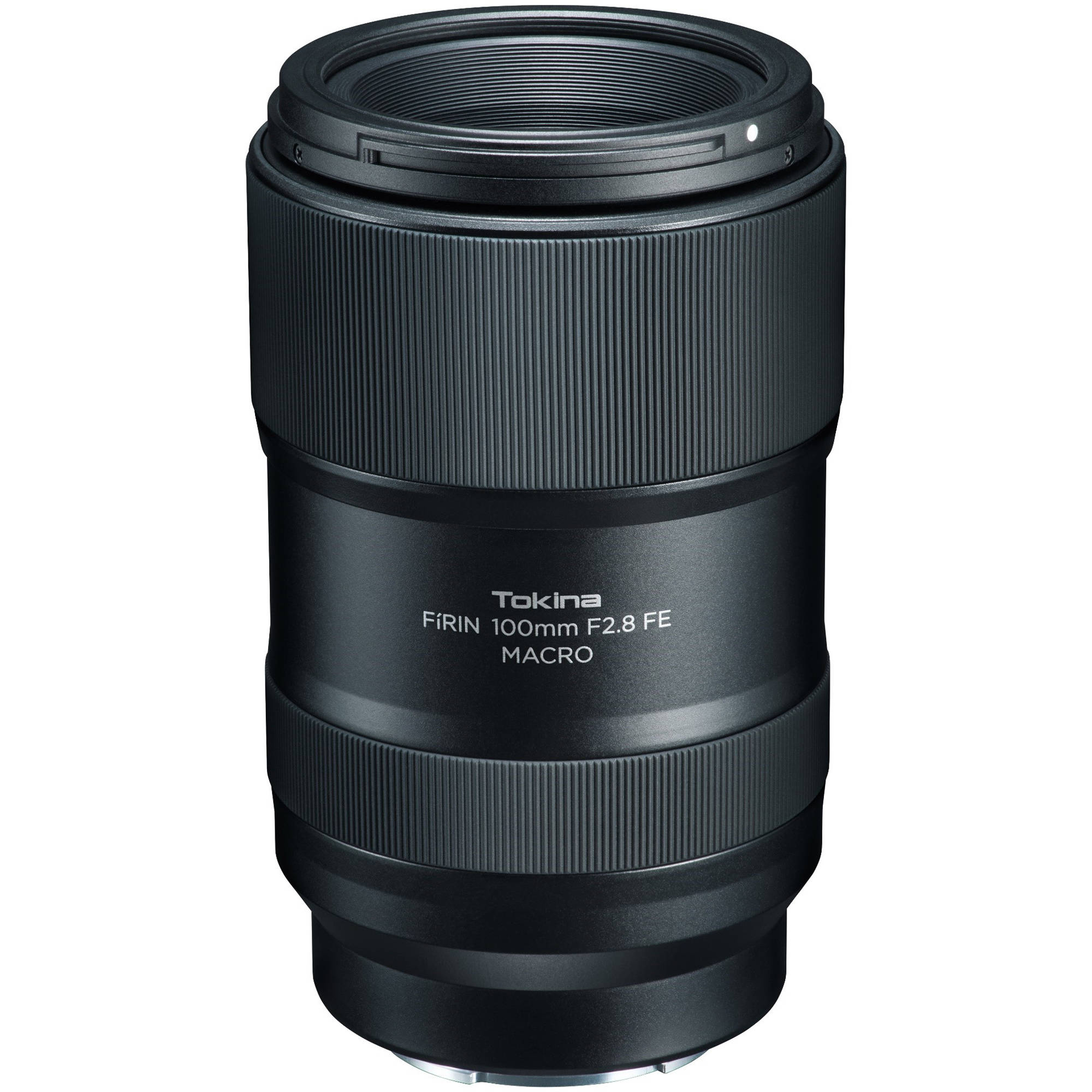
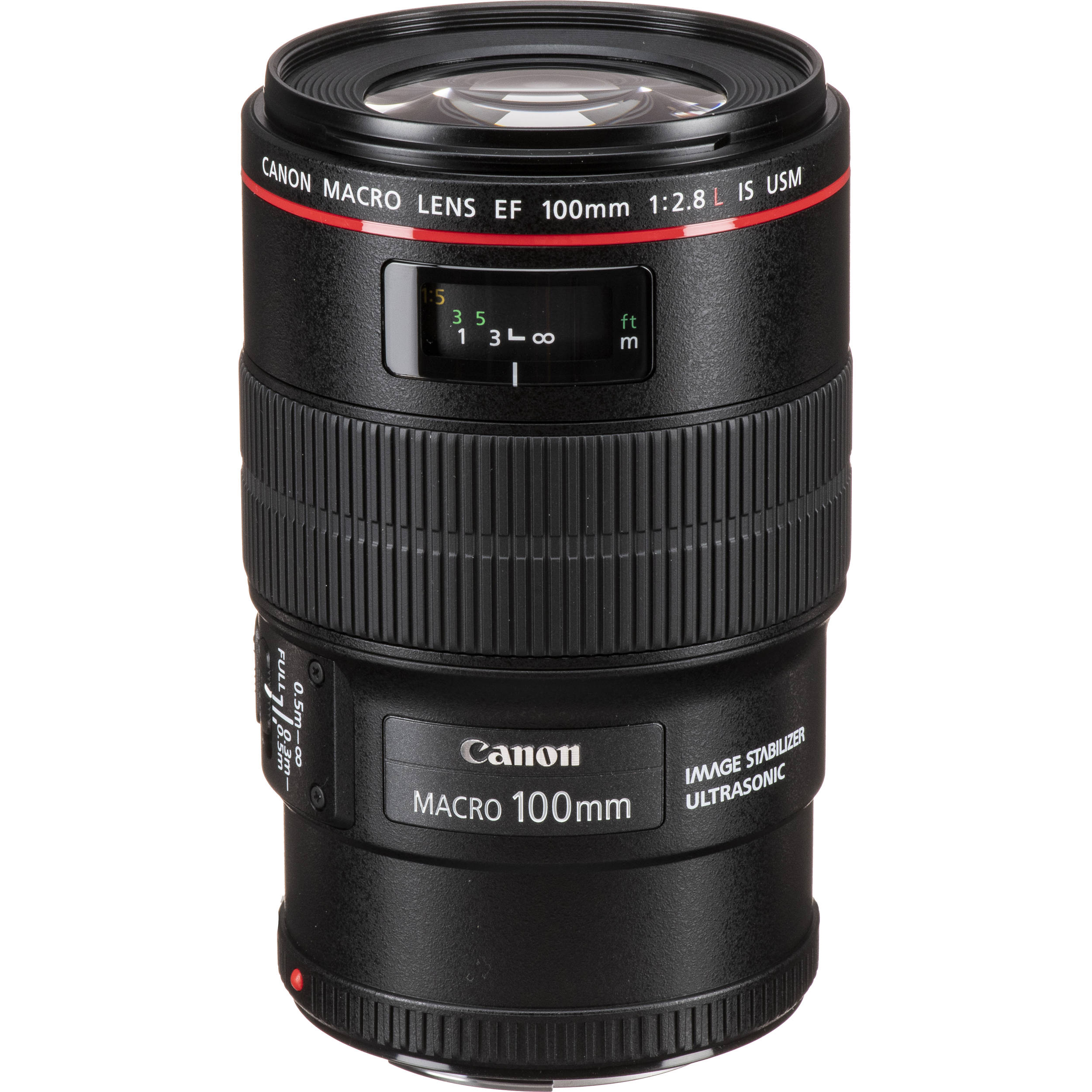
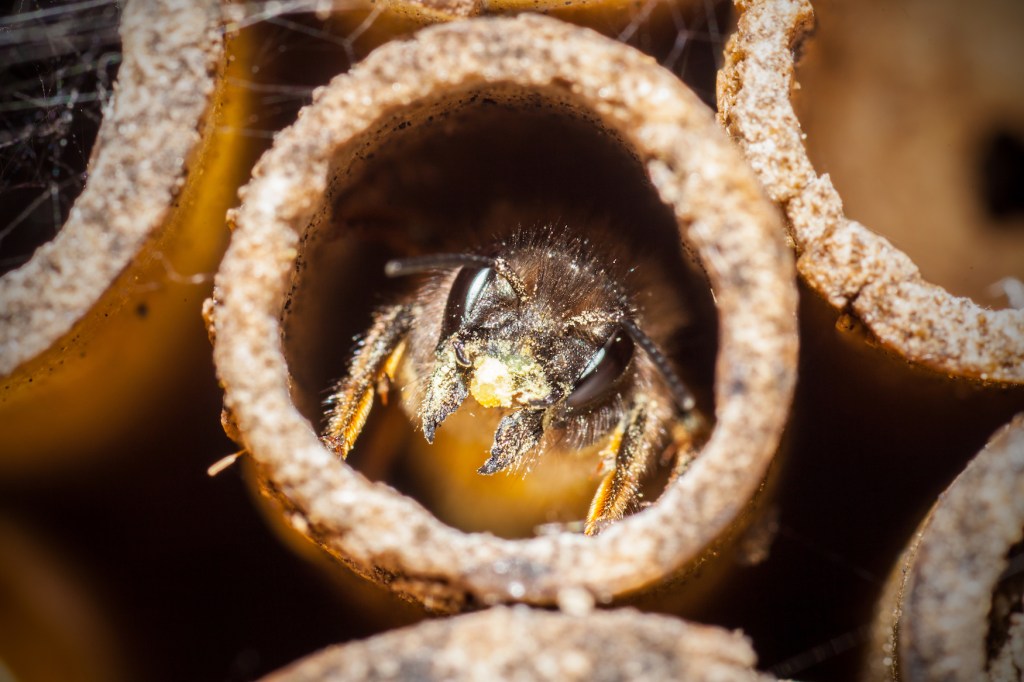
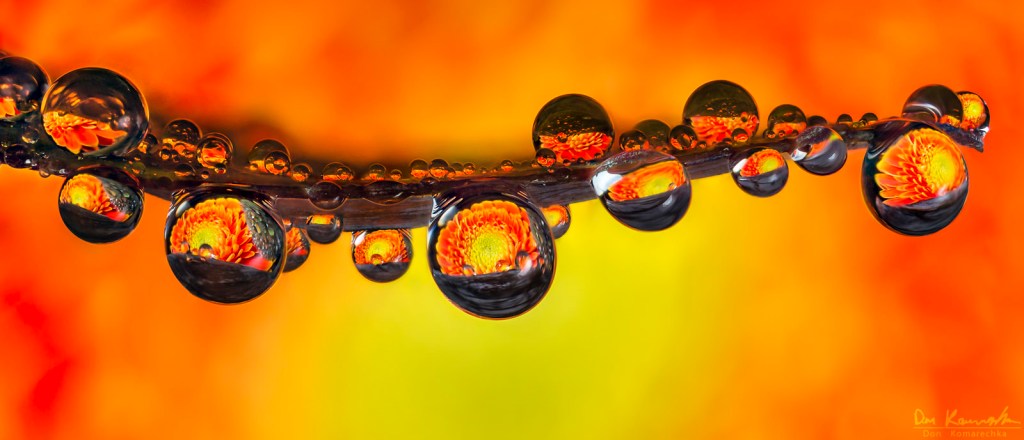
Macro lenses are useful for photographing any subject at very close range. Typical subjects include insects, animals, and plants, but they are also popular for taking extremely detailed photos of everyday objects.
Pros:

  1. Allows for extreme detailed shots (nature shots, wedding details, snowflakes, etc). Very precise!
  2. Get magnification of subject (up to 5x it’s actual size).
  3. Best quality image.

Cons:

  1. Limited use (not necessarily great for portraits or general photography.
  2. They tend to be expensive.
  3. Reported focusing issues (long focusing times and slower shutter speed).

ZOOM LENSES

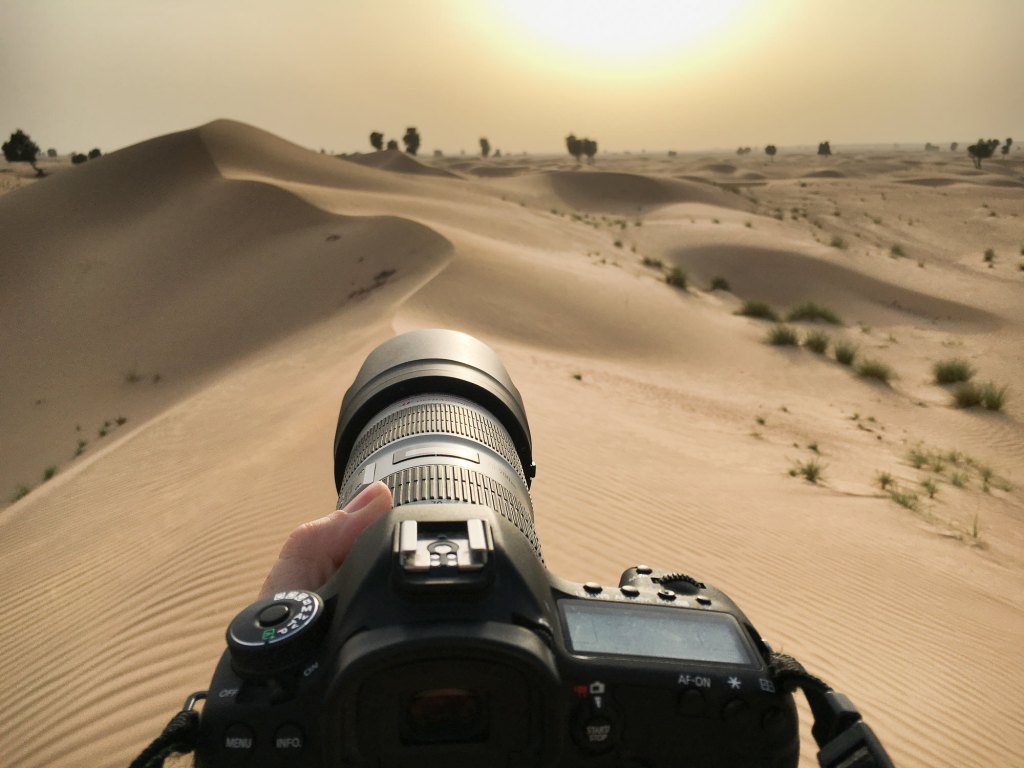
Zoom lenses are great due to their extreme versatility! These lenses allow you to stay in one place (no running around or twisted ankles) and zooms to multiple focal lengths with one auto focus function!  A popular zoom lens is the Canon 70-200mm, which means it can zoom as far out as 70mm and up to 200mm (and every focal length in between)! What’s really cool is that zoom lenses (if on auto focus) can maintain that focus while you change your focal length, which means you can snap quickly!
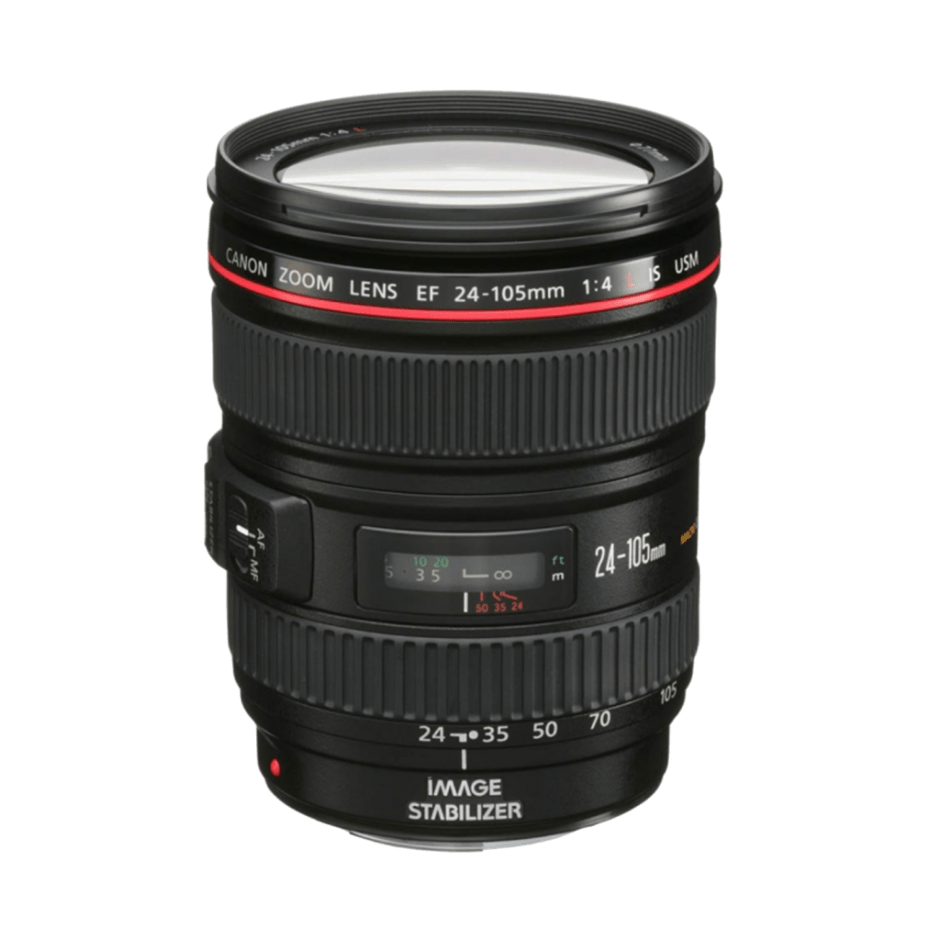
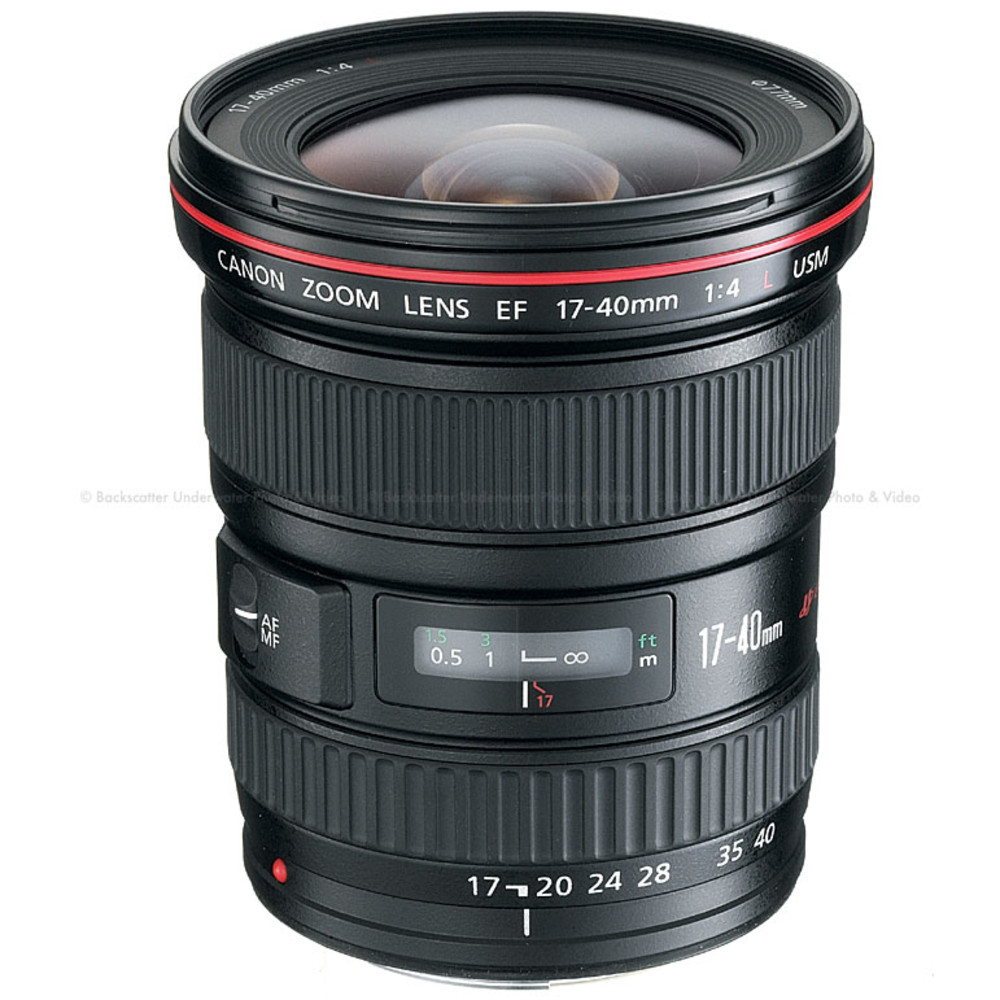
Types of Zoom Lenses: 17-40mm, 24-105mm, 70-200mm

Pros:

  1. Zoom capabilities, meaning you get multiple focal lengths in ONE lens.
  2. It allows you to stay in one position while using the zoom feature.
  3. GREAT for weddings, portraits and wildlife photography.

Cons:

  1. Heavy.
  2. Not as sharp as prime lenses.
  3. Typically higher aperture, meaning many zoom lenses won’t go below f/2.8 (creating less compression/bokeh).

WIDE ANGLE
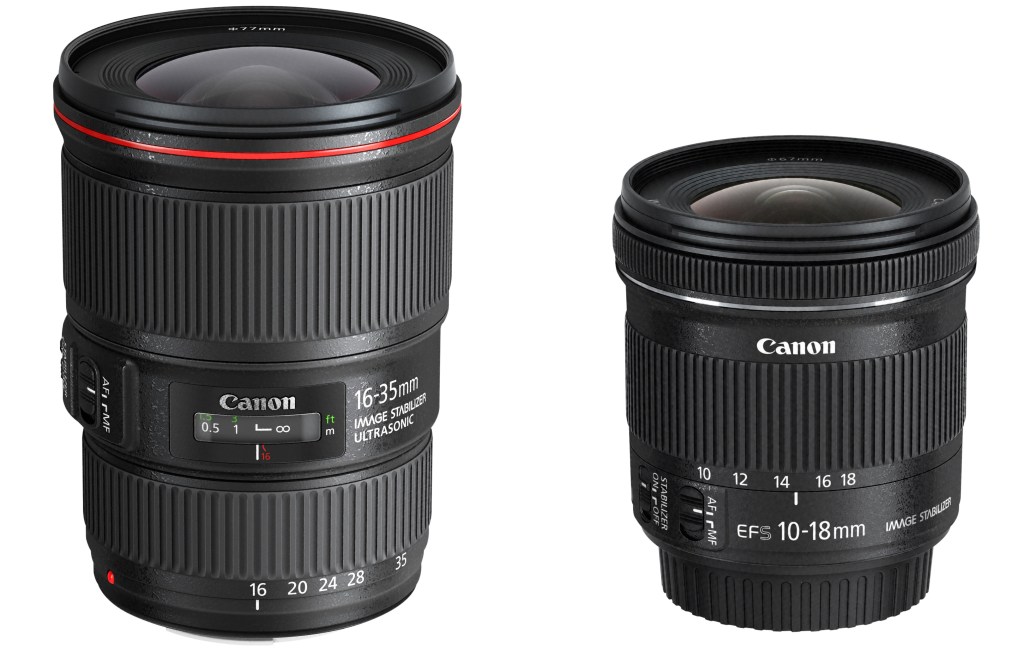
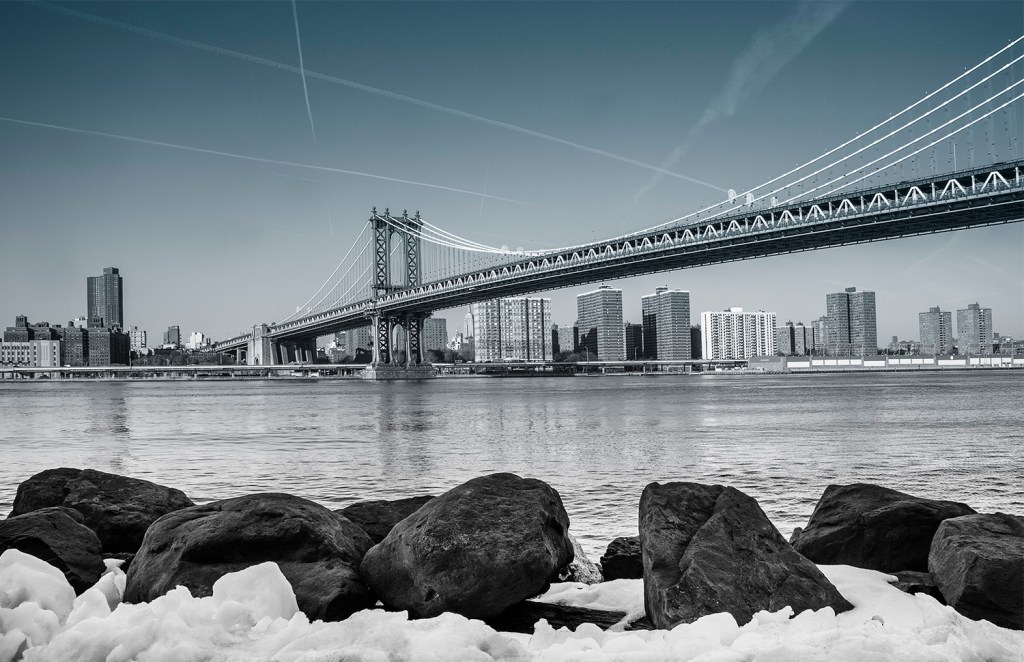
Wide angle lenses are pretty self explanatory, they allow you to gain a wider field of view. Landscape photographers tend to use these lenses to make sure they get the full scene of what they are photographing. Keep in mind that the lower the number focal length, the more that will fit in your frame. Wide angle lenses tend to distort photos (especially of faces), which can fixed moderately post-processing.  They are very versatile lenses and tend to be really affordable.
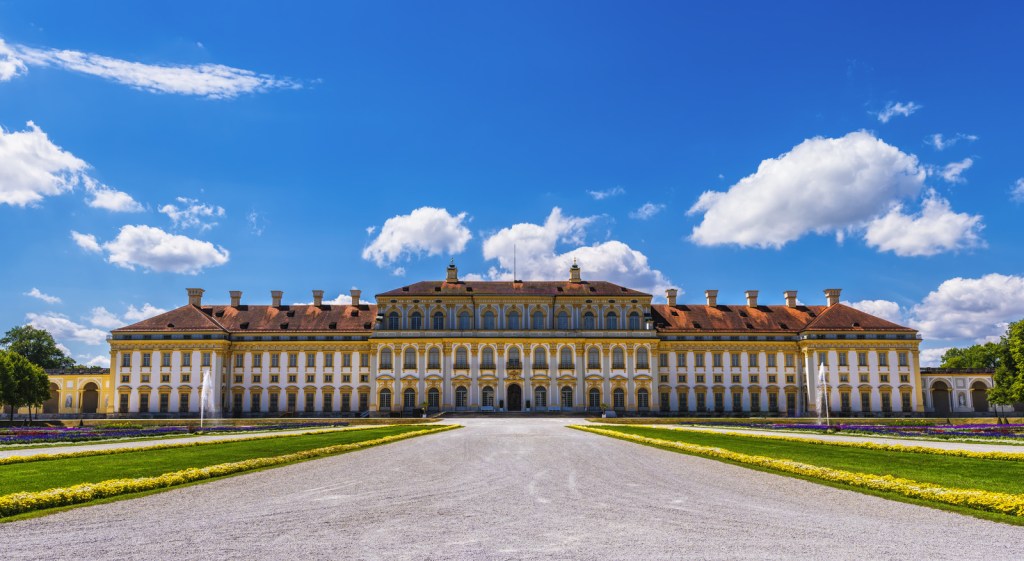
Types of Wide Angle Lenses: 14mm, 24mm, 35mm

Pros:

  1. Lightweight, great for hiking and throwing in a backpack!
  2. More depth of field, creating more in focus images.

Cons:

  1. Not great for achieving compression (also known as bokeh or a blurry background).
  2. Can create distorted images.

TELEPHOTO LENS

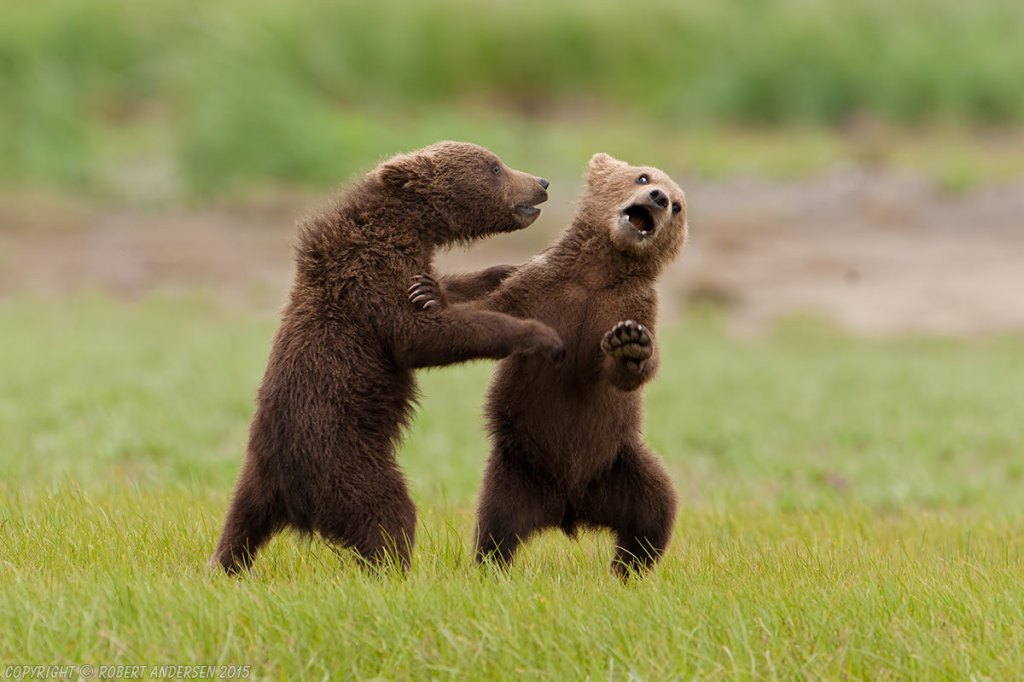
A telephoto lens has a long focal length and provides a high level of magnification, allowing you to photograph subjects at a moderate to far distance. They tend to be bigger and heavier than other types of lens, although modern technological advances have made them more compact and easier to handle.
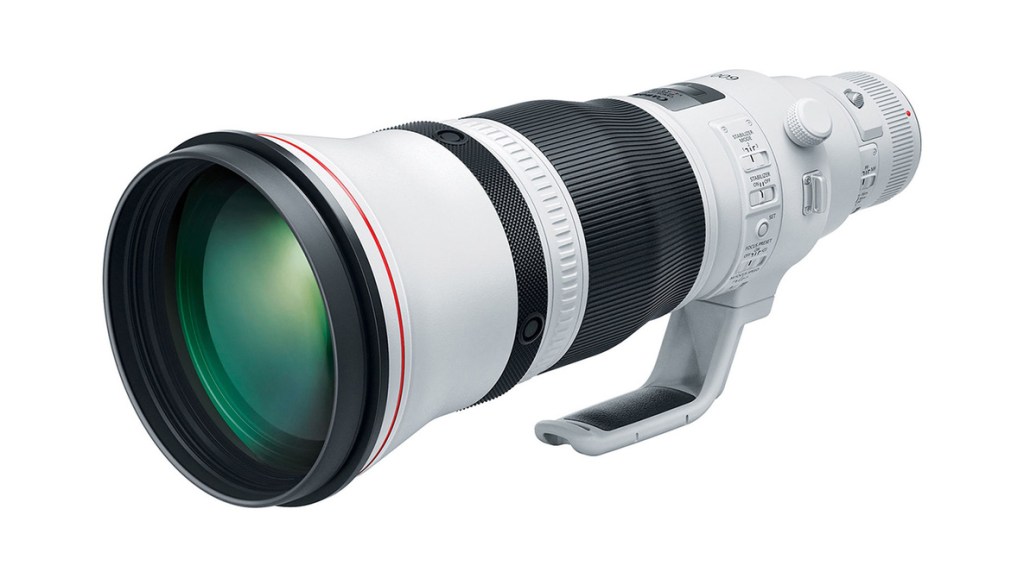
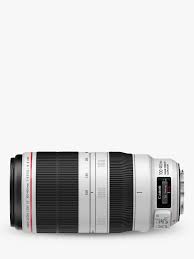
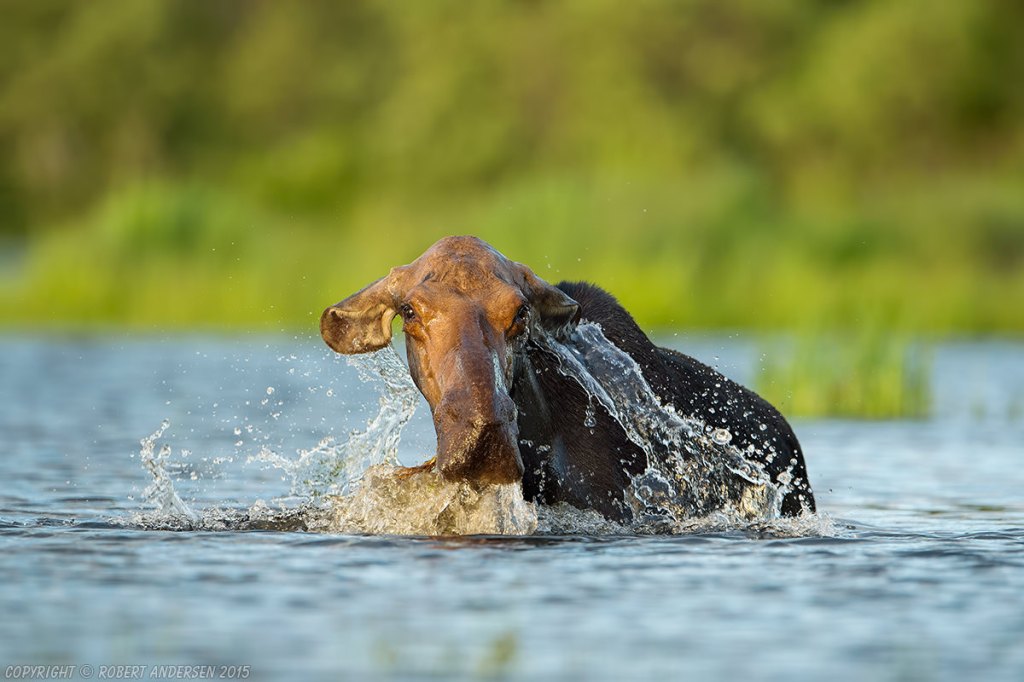
Telephoto lenses are popular for any type of photography where you can’t get near to the subject, including wildlife and sports events. They are also commonly used in portrait photography, where a moderate telephoto lens will provide a natural, undistorted perspective.

Types of Telephoto Lenses: 70-300mm, 100-400mm, 300mm, 400mm, 600mm
Pros:

  1. Great for wildlife, sports and astronomy photography!
  2. You can shoot in one stationary position.
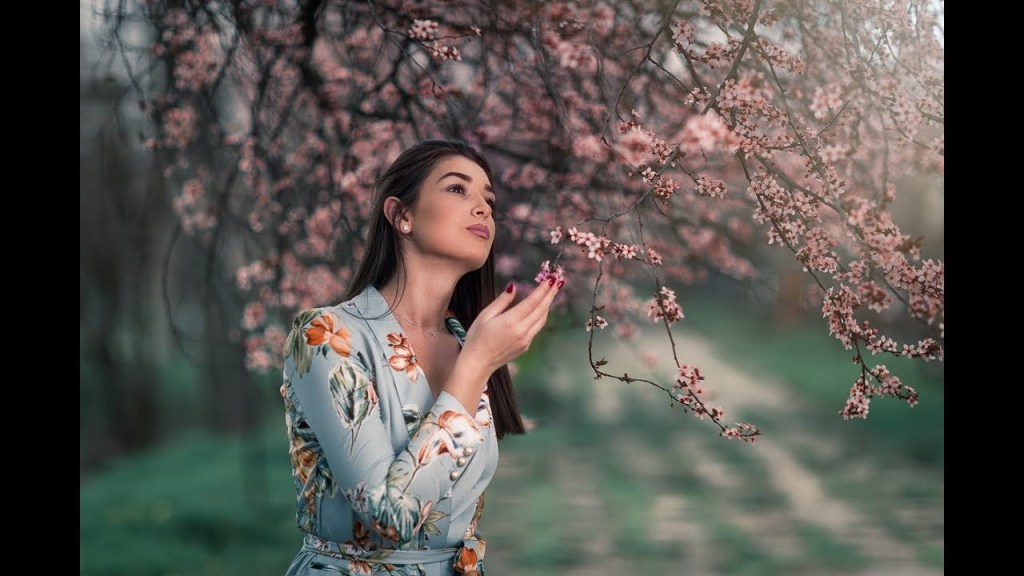
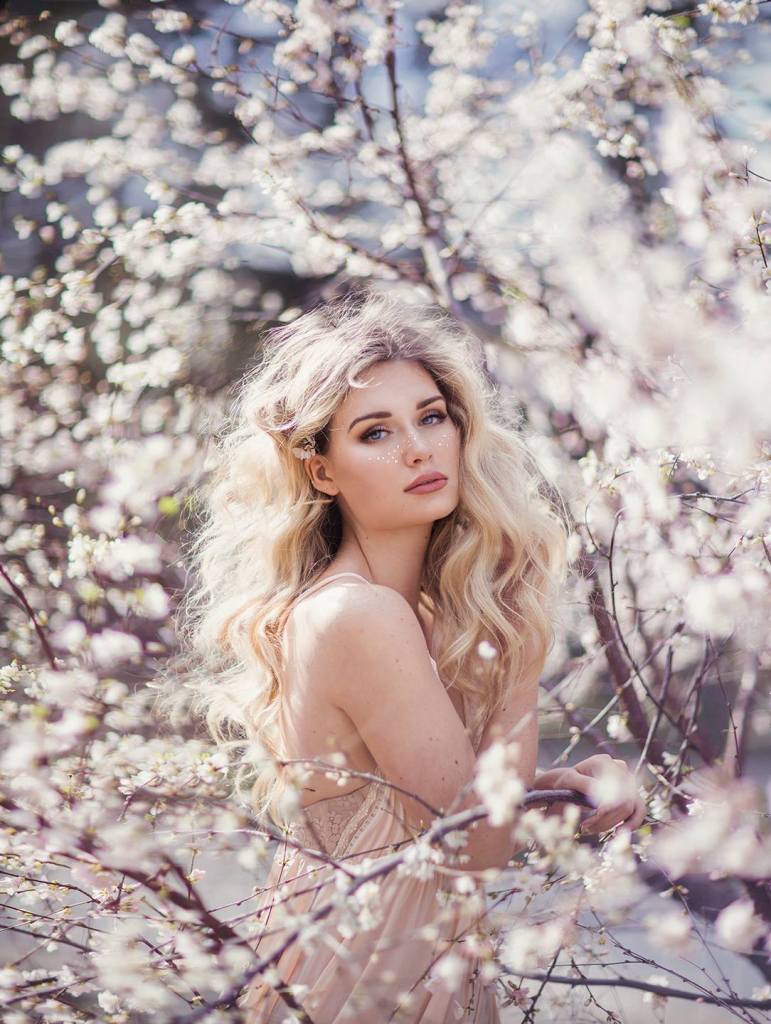
  3. Shallow depth of field, meaning more great blur in the background!

Cons:

  1. They tend to be heavy, and often require the use of a tripod.
  2. Really expensive!

FISHEYE LENS

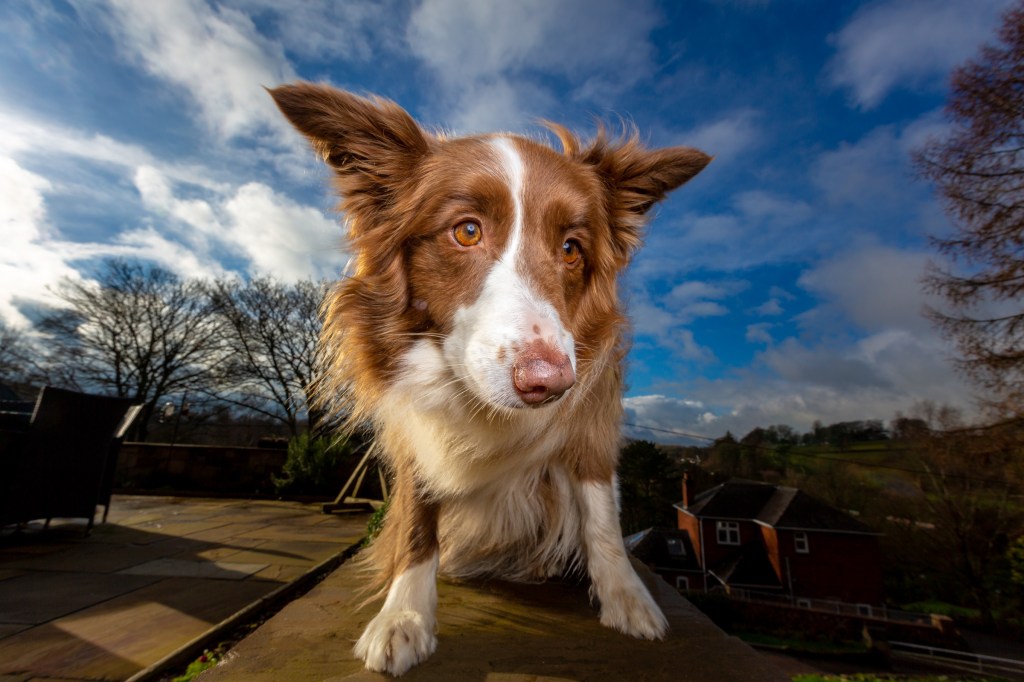
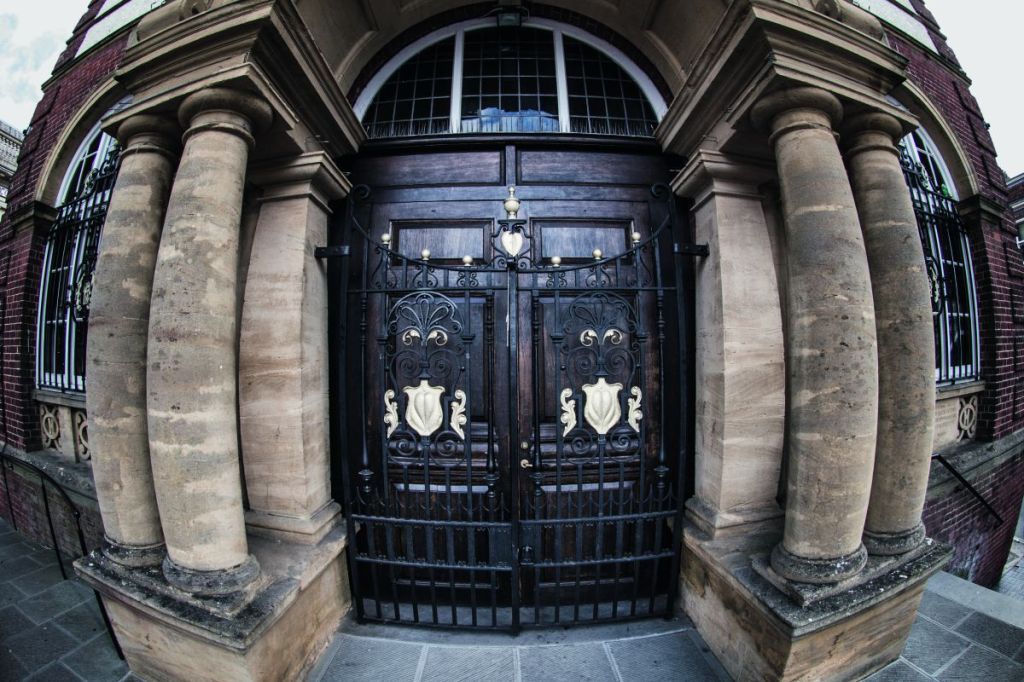
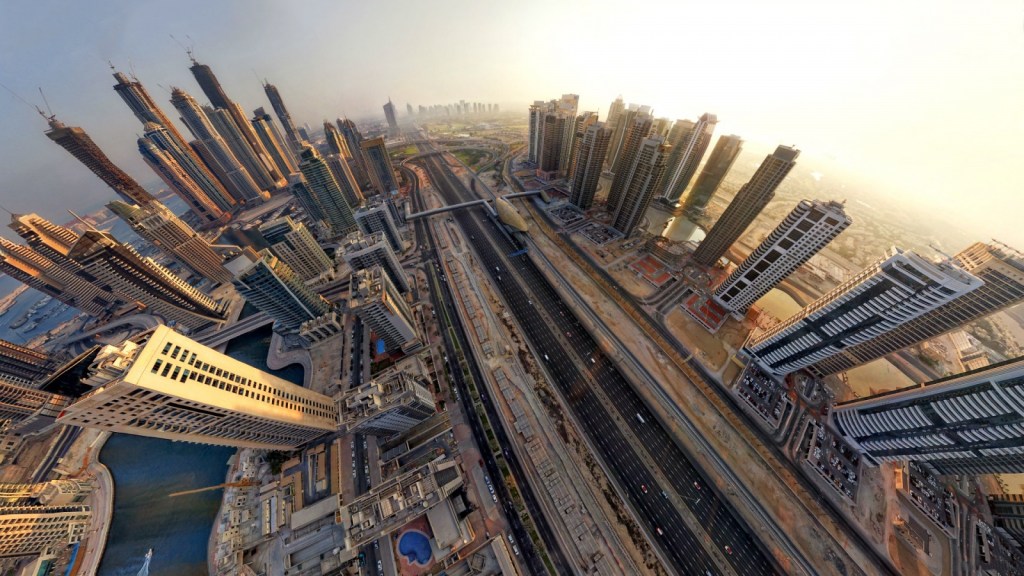
Fisheye lenses are basically ultra wide angle.  These very specific lenses are most often used in abstract photography, and allows you to capture the most panoramic view given by any other type of photography lens. These lenses use a particular type of “mapping” that purposely distort lines given a more convex appearance. As the name implies, fisheye lenses look just like actual fish eyes, giving a panoramic view of anywhere from 100-180 degrees.
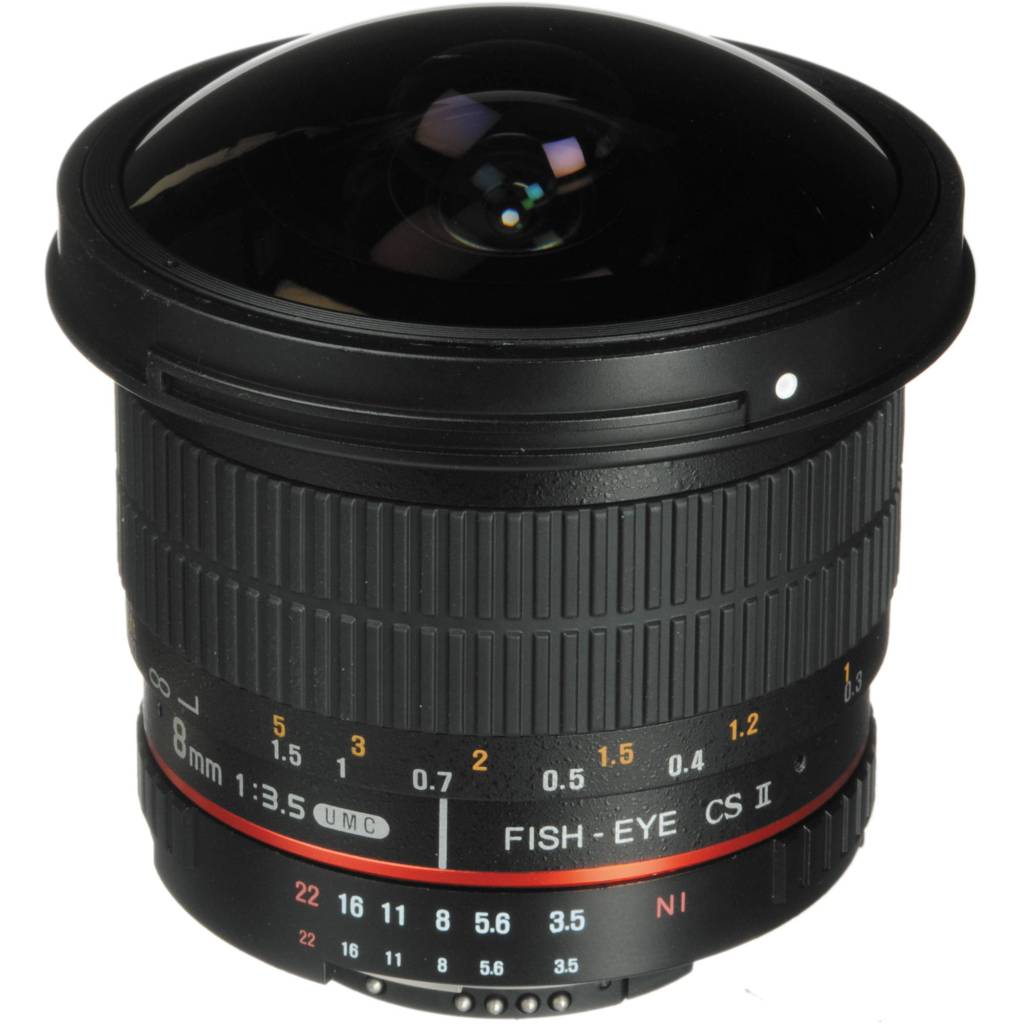
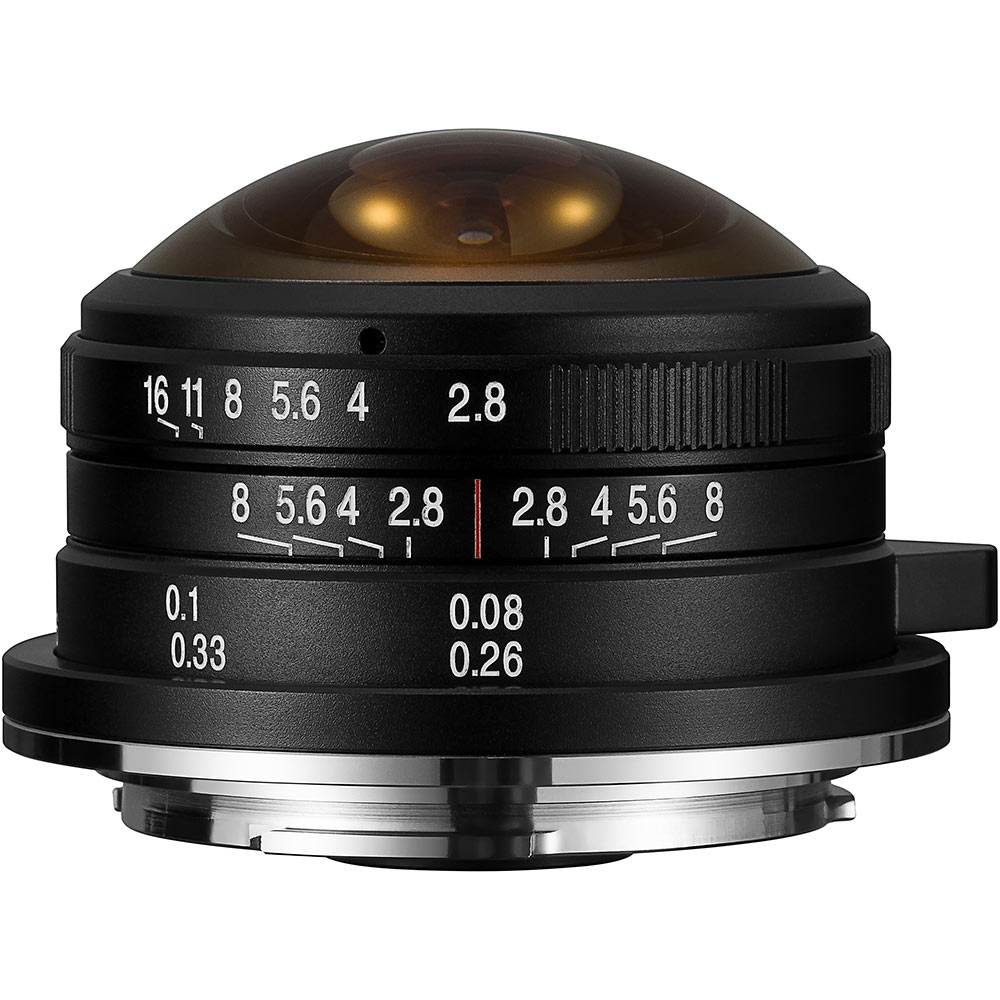
Types of Fisheye Lenses:  Any range from 8-24mm
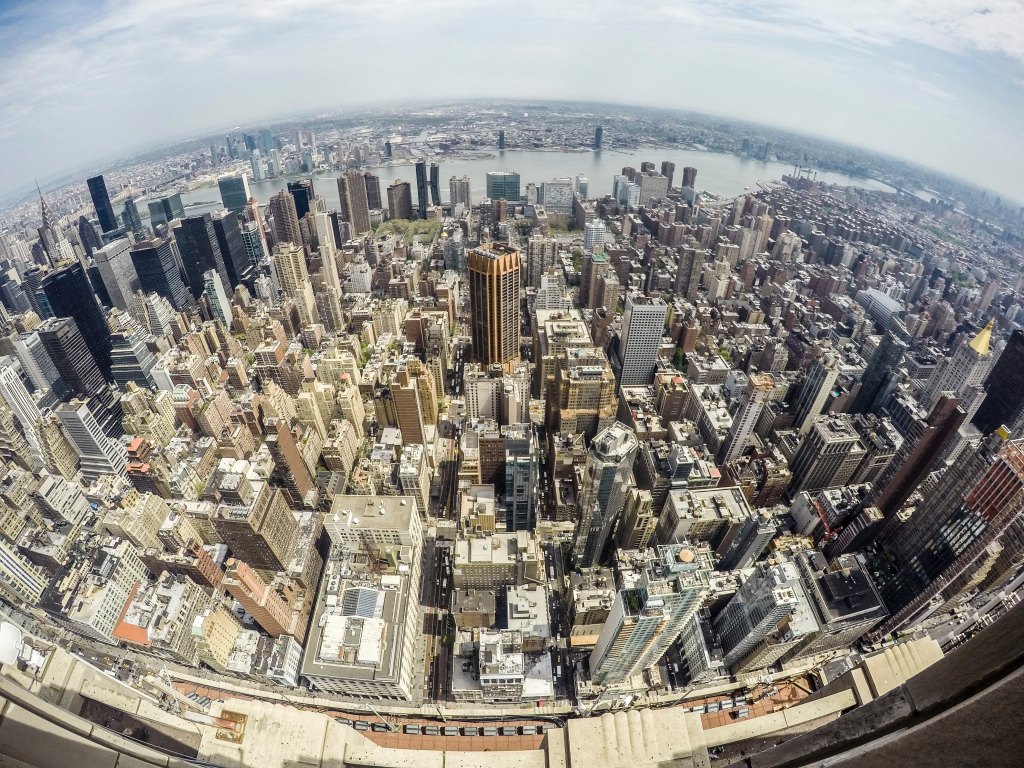
Pros:

  1. Ultra-wide field of view, and panoramic features.
  2. Perfect for small spaces or wide landscapes

Cons:

  1. Very specific uses, not great for portraits.
  2. Major line distortion.
MODEL TESTING

MODELLING AGENCIES

CONTACTING MODELLING AGENCIES FOR MODEL TESTING

How To Contact Modelling Agencies

WAYS TO CONTACT THE AGENCIES

  In the growing time people have tend to work more professionally and accurately and work with full accomplishment and satisfaction. So just for the same in photography the photographers have started to become more precise, choosy and focused towards the selection of the models.
       So when ever they receive any assignments of shooting a model for their brand, they first contact the modelling agencies and brief them up about what the shoot is all about and other details of the shoot, then they tend to ask the modelling agencies for a trial shoot and over that they judge the models posing skills and whether she will be perfect or not for the shoot.

       Nowadays it is the beginning of any almost every career in fashion photography , from high end fashion photography covers on magazines and hoardings and banners as well. Not only for the beginners its important for a test shoot with model but it better to start off correctly and by being particular and professional in selection.
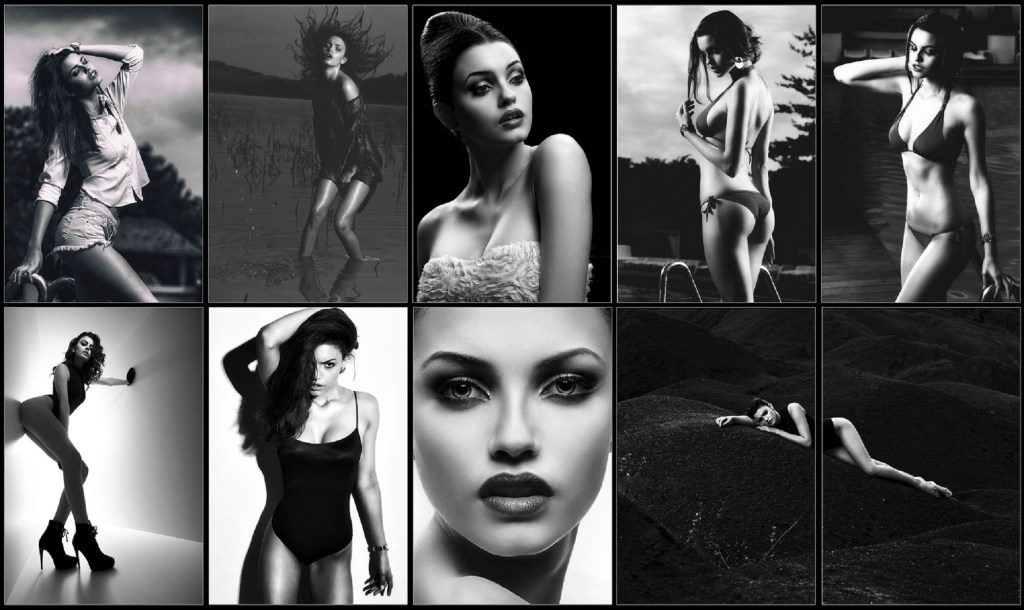
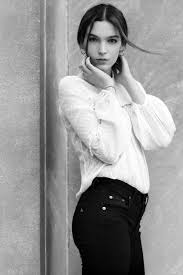
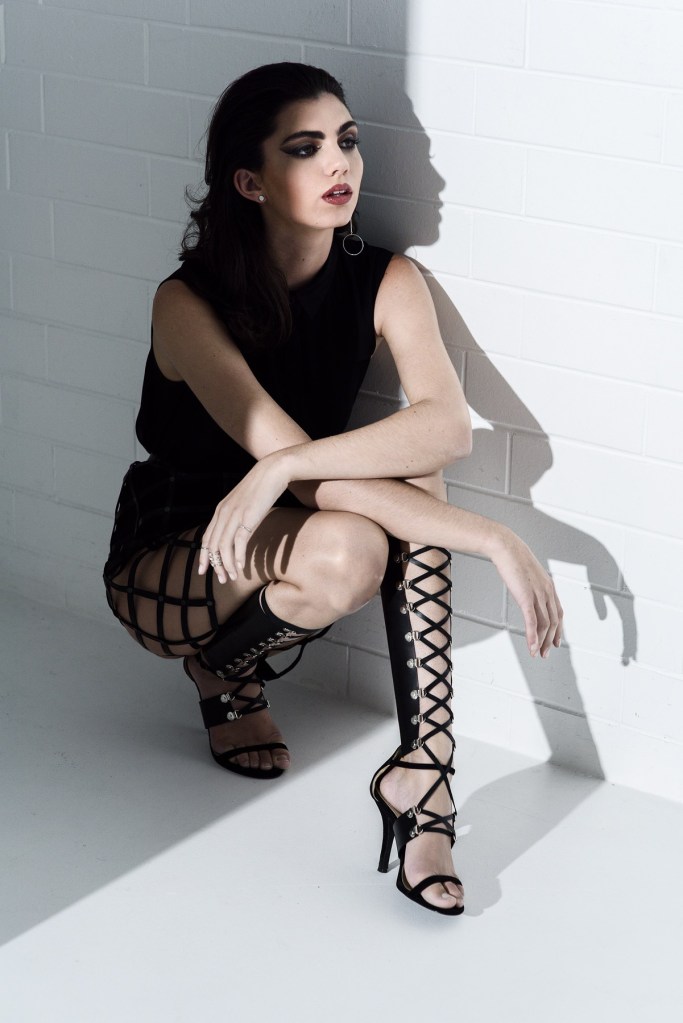
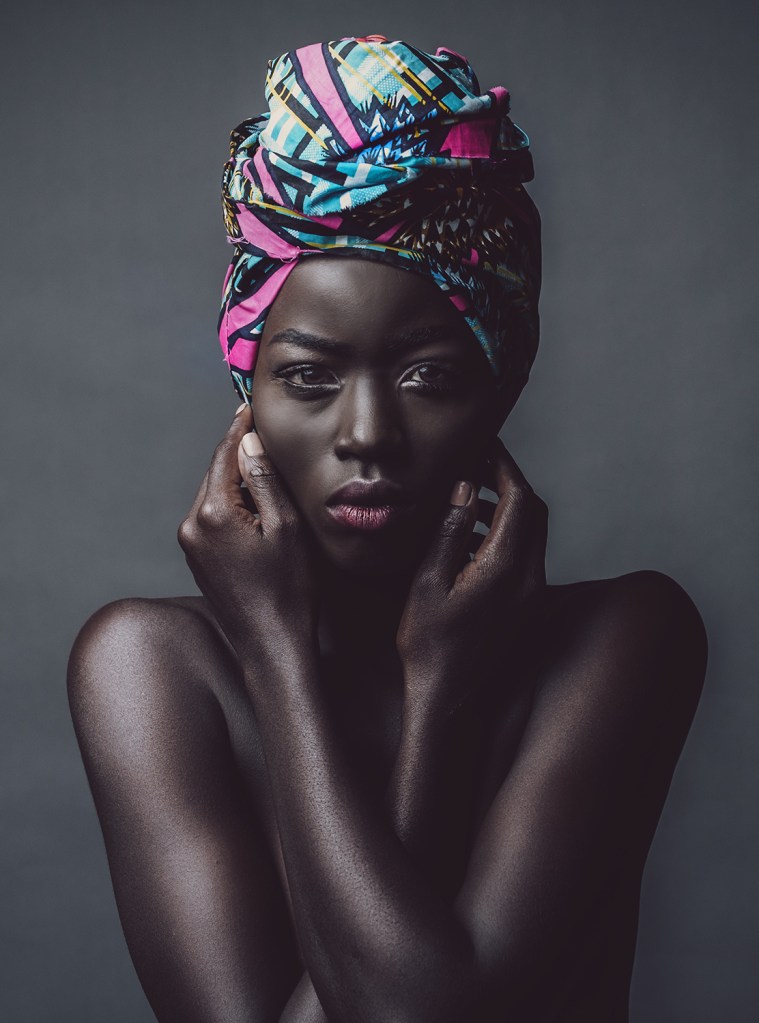
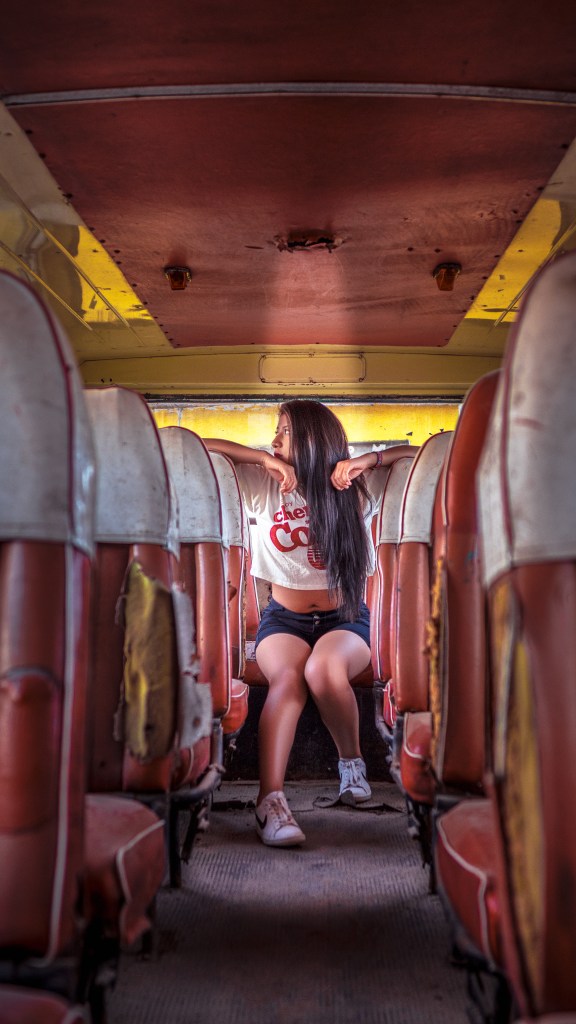
          Many beauty and fashion photographers continue model testing as a means to create new work, practice, or experiment. For some photographers, model testing is a business.

What Is Model Testing?

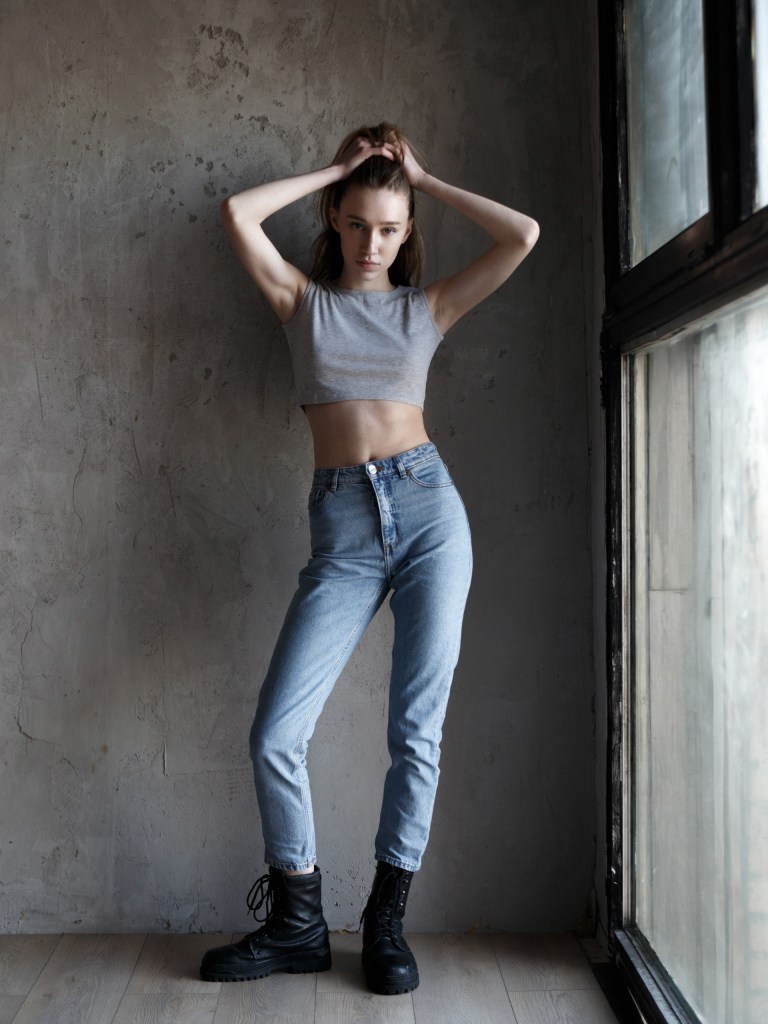
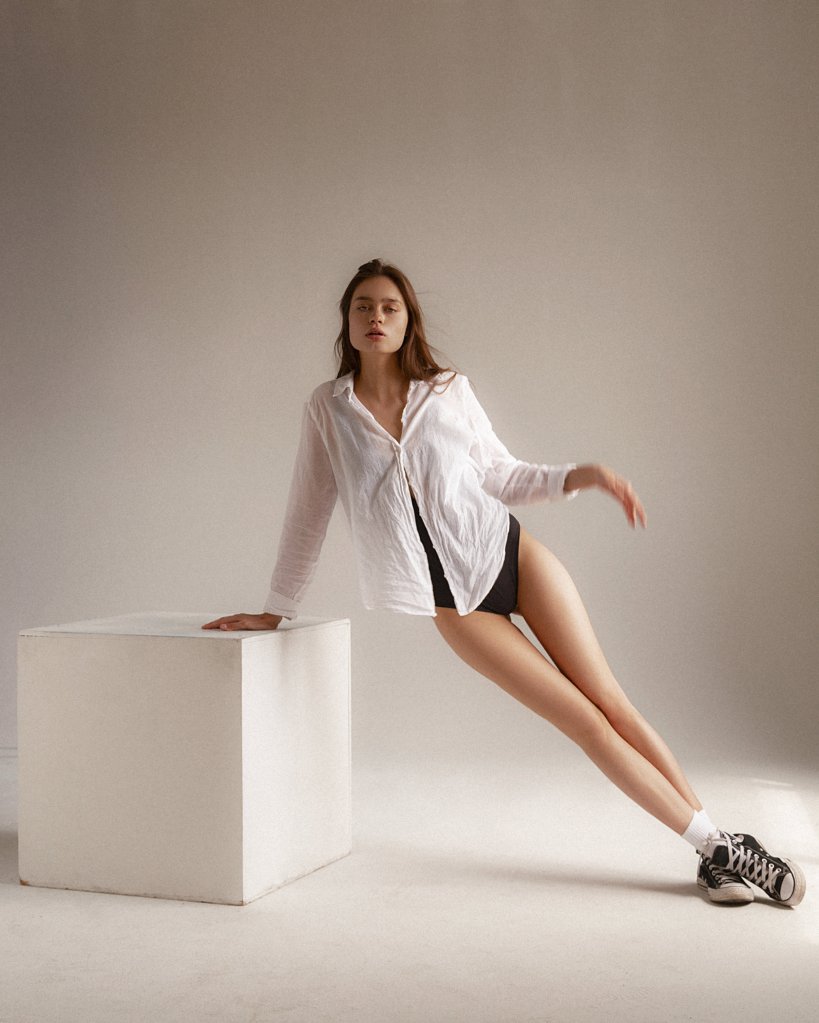
        Model testing is an opportunity for a photographer and model to build their portfolios together. Don’t just think of model testing as a free photo shoot with professional models to obtain professional looking images for your social web. A true model test should serve a greater purpose and benefit the photographer, model, and modeling agency too but equally.

             For photographers, model testing provides high-end portfolio work with professional models. For models, testing provides experience and exposure to a variety of photographers, styles, and directives.

              A photographer’s goal is mostly to showcase themselves their technique, personal style, and creativity. A modelling agency’s only goal is to showcase their model. Of course, modelling agencies will appreciate your creativity and unique style, but your creative direction should never exceed/overpower the focus of the image which, to them, is always the model.

Modelling agencies wants to showcase their models natural features and their positive sides and skills. Our job as the photographer is balancing the needs of the agency with your own. Of course the images / content you get is really important. This is especially important if you’re getting started. Building a relationship with the modelling agency should be your priority if you want to continue testing with their models.

How To Start Model Testing

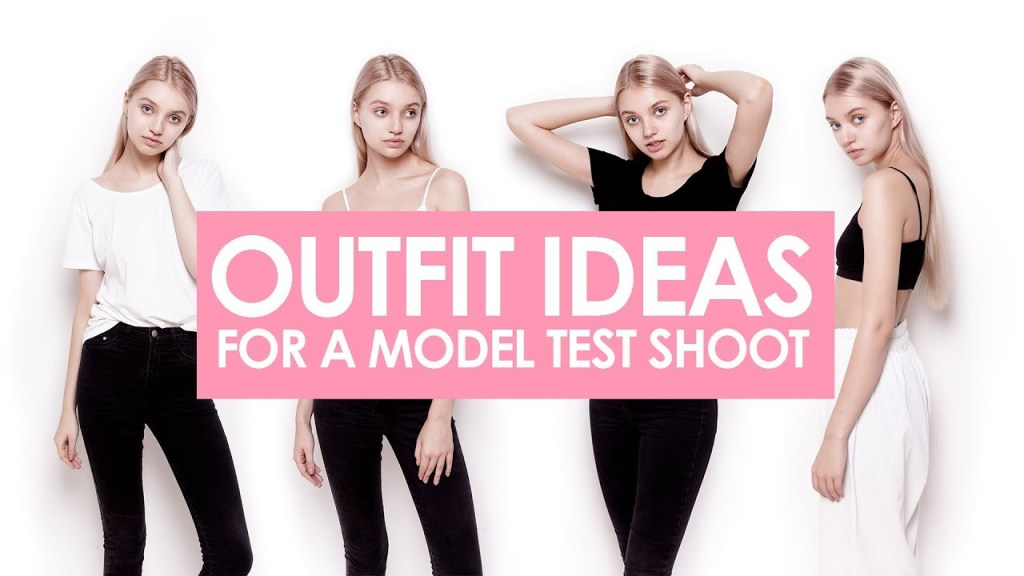
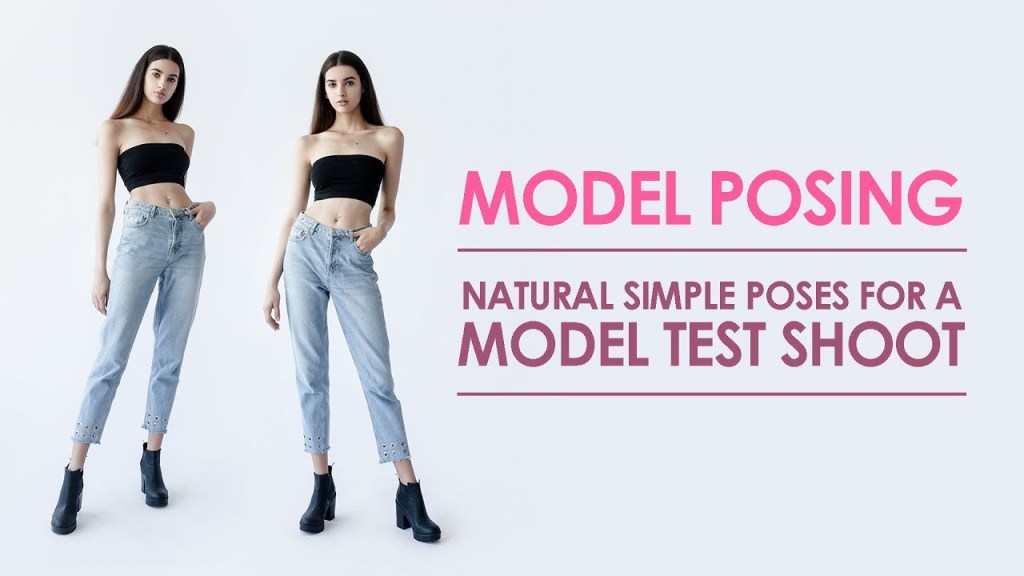
As an amateur photographer and being a beginner before you actually book the model for the shoot you book model for a test shoot via modelling agencies and ask them for a test shoot. But to convince the modelling agencies for the acceptance of a shoot you need to show them you early work, what all work have you done in past and what kind of.

       As they need to know your ability, creativity and other aspects leading together. It doesn’t totally mean that you need to have a proper portfolio of your work with professional models, proper make-up and high end production shoots and fully retouched images.

        Agencies are not meant to be just for providing the models to the photographers only, as you need to start from somewhere the models also need to start from somewhere, so the models contact sometimes and works with agencies then onwards or manner times the agencies bring new models and there are chances that they can pair a model with you who is exactly the match for your requirements.

      Also if you are starting from scratch and if you hire a model from a modelling agencies than they can pair you up with a model who is also starting from scratch as it would benefit both of you in future, you can add those images in your portfolio and it provide some type of experience to you.

       Agencies aren’t oblivious to the fact that in order to get models in your portfolio, you have to start somewhere. Models have to start somewhere too. Agencies bring on new models all the time, and there is a good chance they can pair you with a model who is also starting from scratch building their portfolio.

        Maybe you’ve only ever photographed weddings, senior’s portraits, or families. What type of work should you show a modelling agency if you don’t have any models in your portfolio? For starters, you will need to show that you can photograph people. Portraits are important. If you only have landscape, product, or still life work, it likely won’t be enough to convince an agency. If you don’t have any at all, start shooting some portraits.

        Show portraits of interesting people and highlight their unique features and characteristics. Maybe it’s someone with lots of freckles, a bride with a unique smile, or a child with remarkable green eyes. It could even be an old man or woman with interesting lines or wrinkles. Modelling agencies work in a creative space. They know how to visualize. Even if you don’t have beauty or fashion images in your portfolio, they understand photography and will take notice of your ability to understand light and create portraits in beautiful and interesting ways.

How To Contact A Modelling Agency

Now, after we all discussed all other things before lets come down to how can we contact the modelling agencies. Contacting modelling agencies can be quite menace, so for that you need to understand their needs and language and so they will see you as a peer and ally to their business and make a good relationship between you and the agencies, as it all about maintaining and controlling the relations.

     Approach the agencies professional by contacting them via an e-mail, with good intentions, language and by providing them all the details of the shoot from date, time, place, days, body structure, skin tone, etc.  

     As said earlier the best to contact is an e-mail as it works the best always and looks professional too, with all requirement and being concise. Openly and honestly share with them if you have never worked with the models or photographed fashion. Instead talk with them about what all work you had done in the past and what kind of work have you done in the past and what are planning to achieve with this shoot.
       If they wish to see your work, do provide them with a link to your website and if you have any suggestions for the shoot then clear it out at that time itself to avoid issue later and get a clearance. Also remember a model test is collaborative and it should benefit both parties you and the agency. By putting the models and agencies needs first it would go a long way.

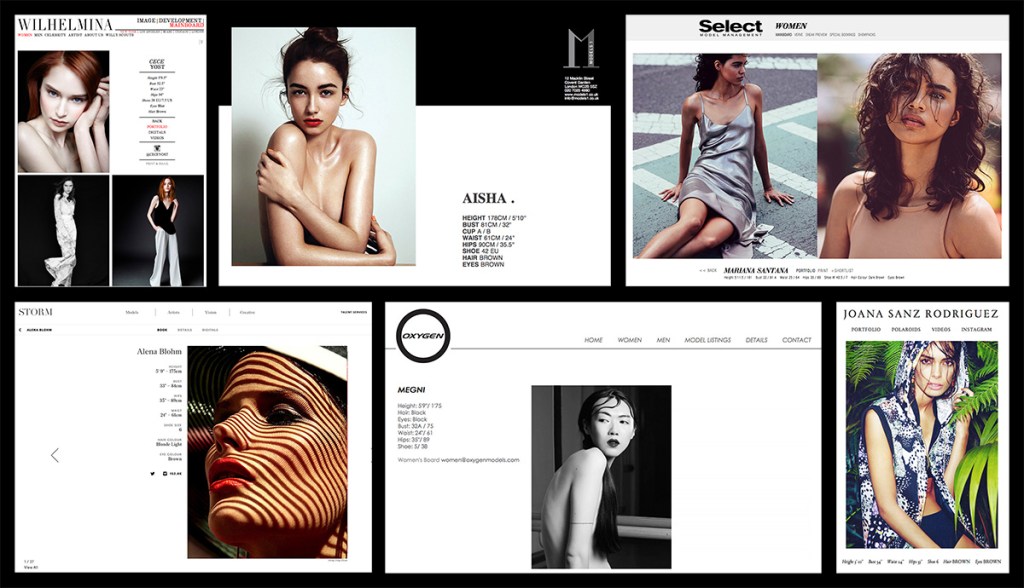
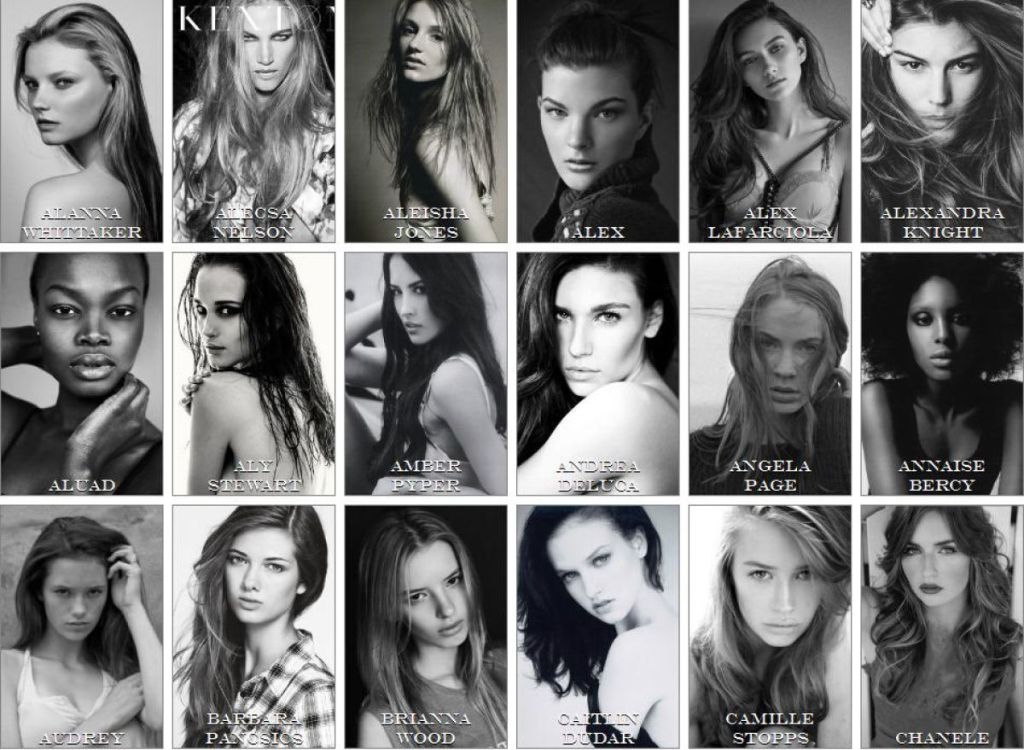
 SOME OF THE BEST MODEL AGENCIES NAMES ARE LISTED BELOW:-

  1. Elite model management
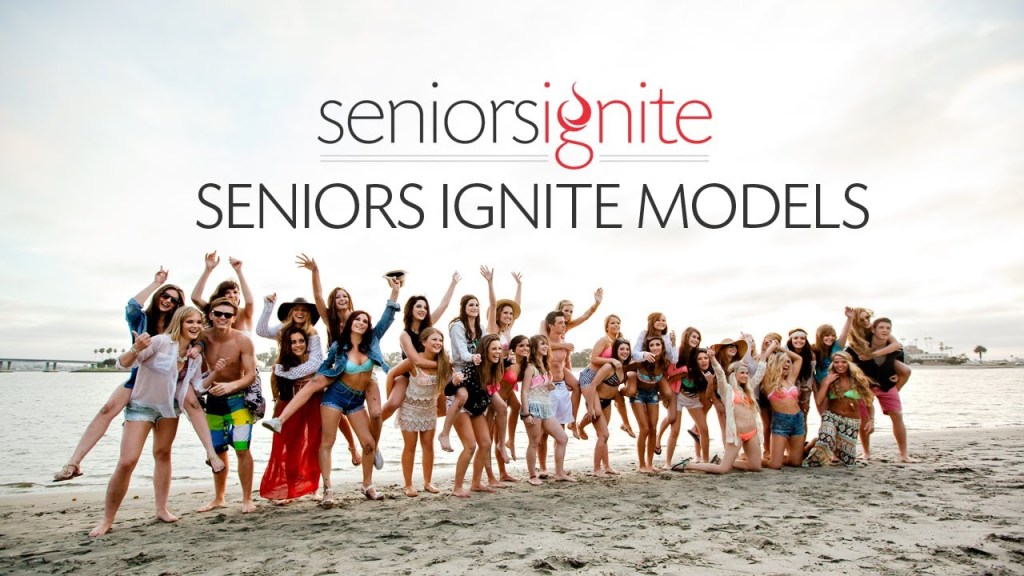
  2. Ignite models
  3. TFM360 models
  4. Ford models
  5. IMG models
  6. Next management models
  7. Auraa agency
  8. Storm model agency
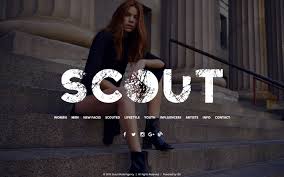
  9. Scout model agency
  10. Bare face modelling agency

And there are many more but these are some of them I look forward too.

https://www.instagram.com/rgoyal172photography

VISIT TO BANDHAVGARH NATIONAL PARK

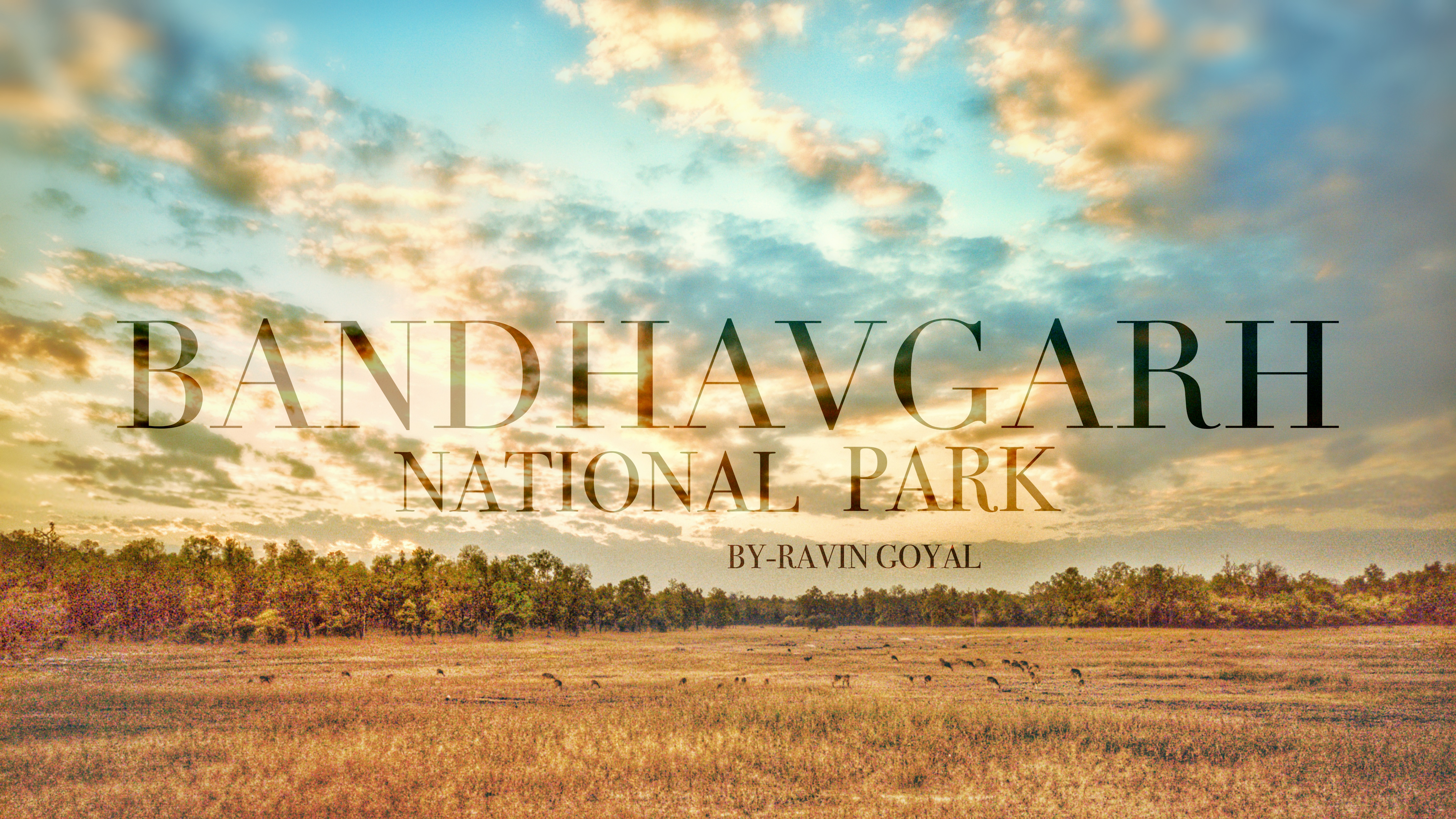
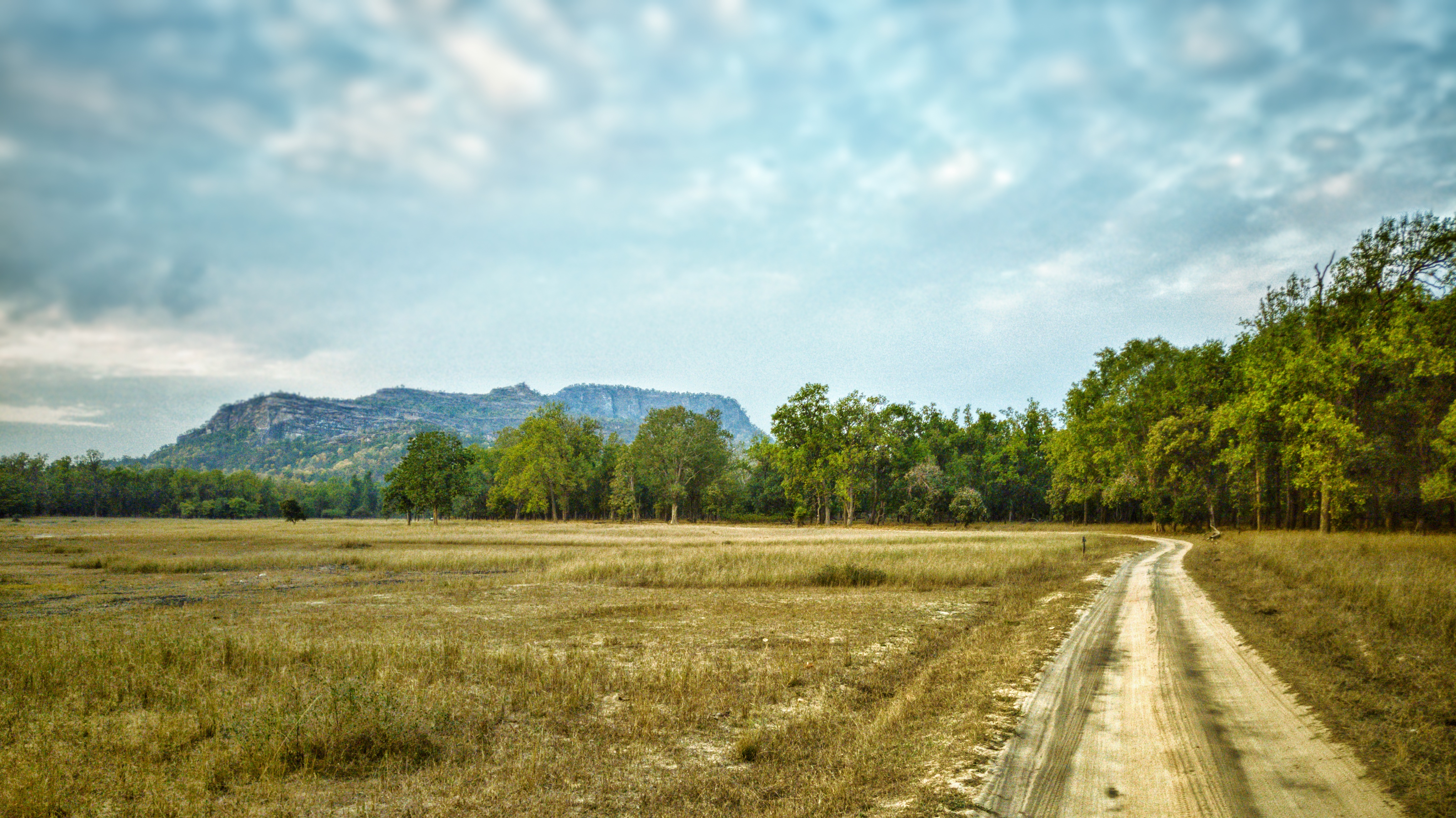
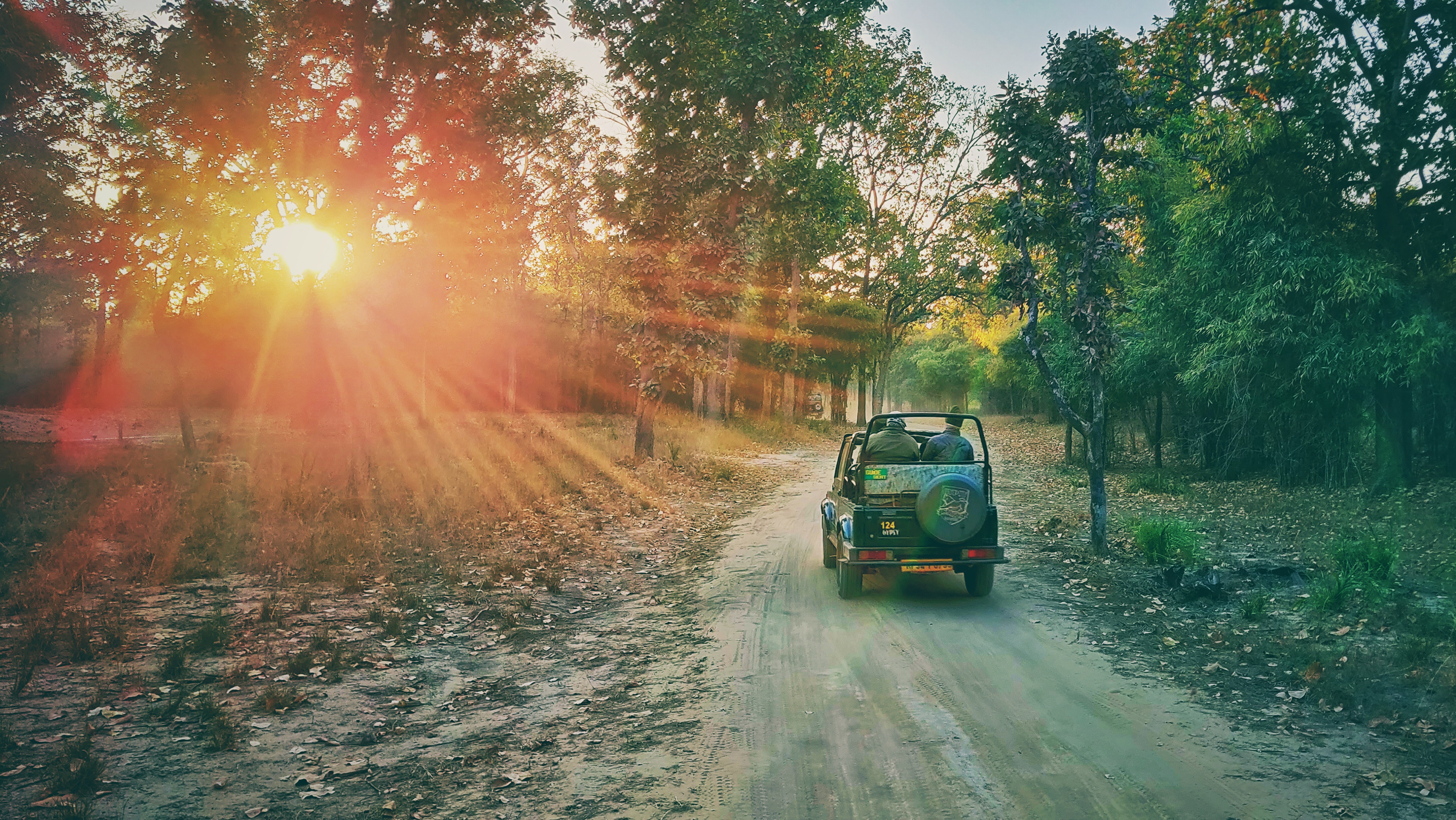
During the early summers i.e. in the beginning of the month of March, my friends and I went for a trip to Bandhavgarh National park, Madhya Pradesh. We were 12 of them and so we booked two jeeps for the Jungle Safari. The National Park is divided into 3 major zones, and each one of them has been named differently. Bandhavgarh National Park has mix vegetation from tall grasslands to thick Sal forests and variety of birds and animals. You get the opportunity to spot the majestic INDIAN TIGER and rarely seen animals like leopard, sloth bear, lambha, Black Lambha, Fox and many more as the park is widespread across the area of about 105km2.

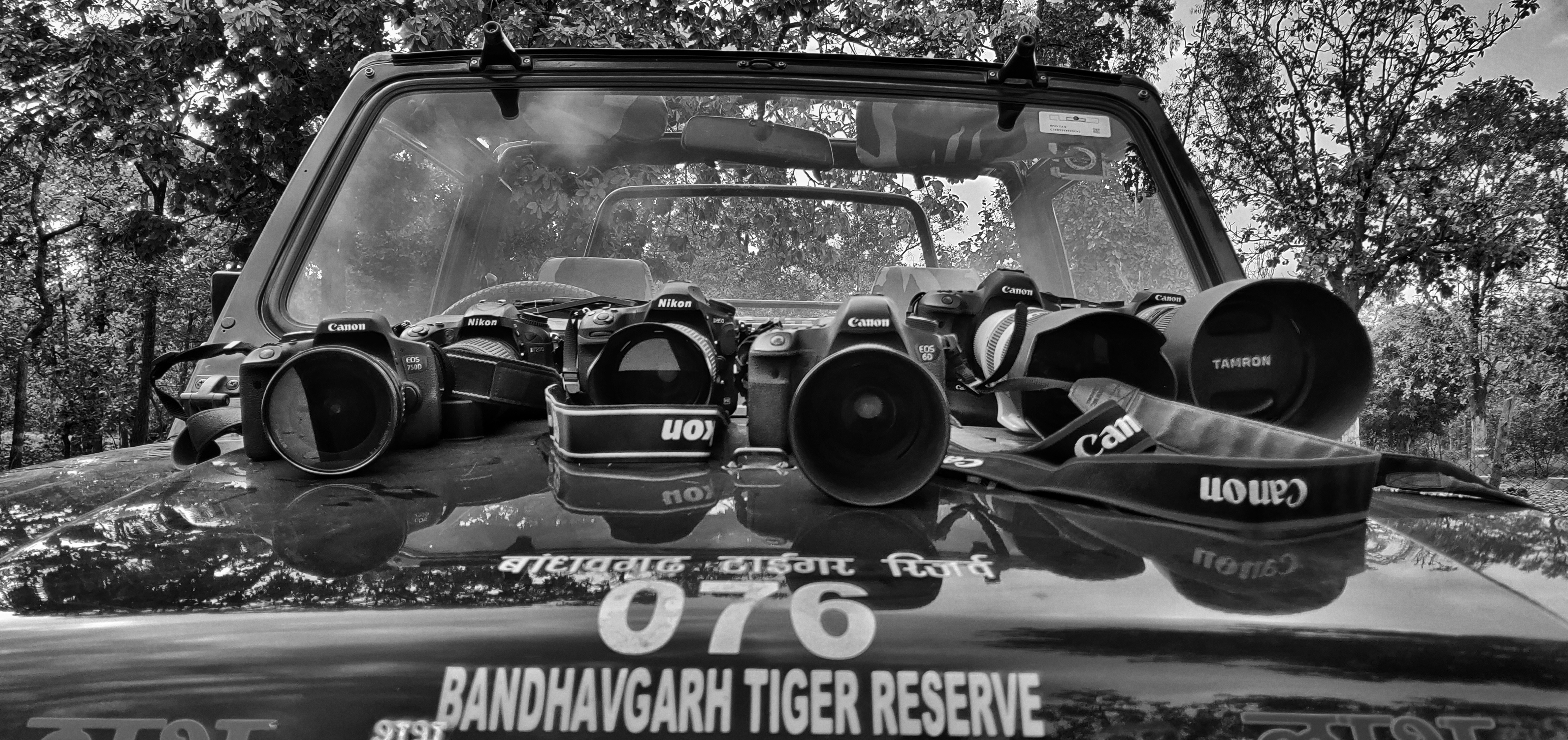
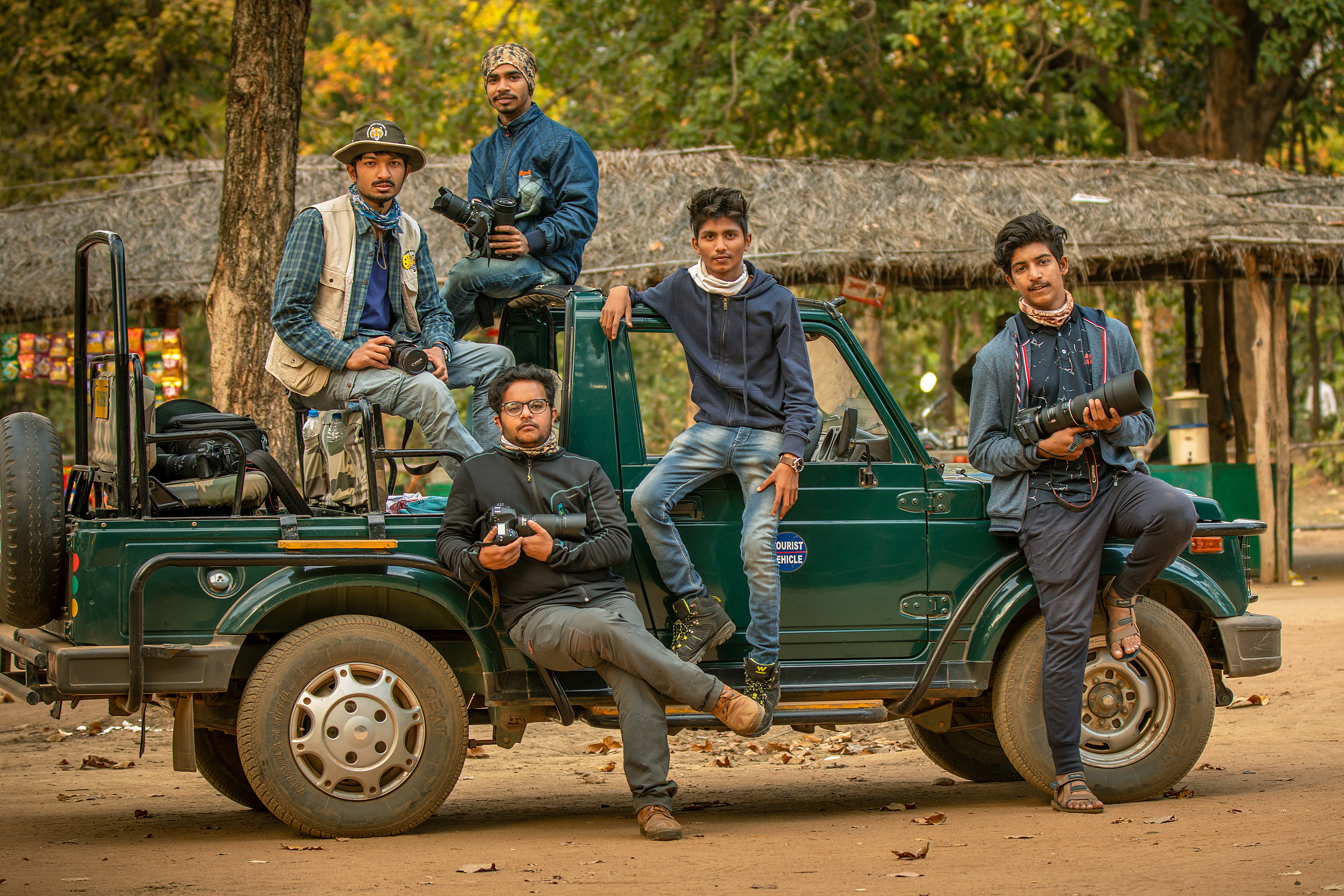
Gearing up for the adventure!!!!

          There are more than 22 species of mammals and 250 species of birds found in the park, for e.g. Langurs, Asiatic Jackal, Bengal fox, grey Mongoose, striped Hyena, Jungle cat, Leopards and the tigers.

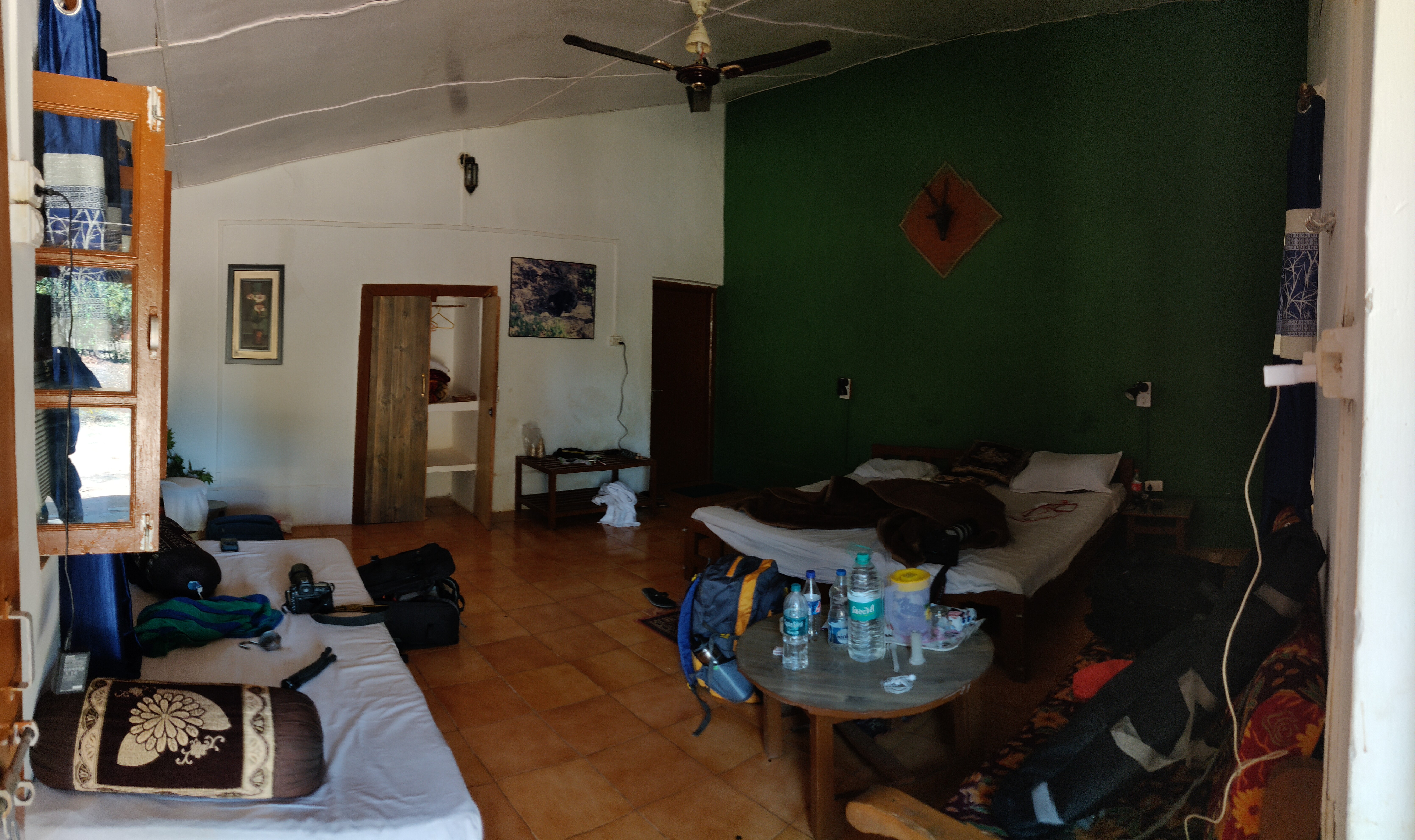
             We had a fix schedule as we had to visit several more places in the surroundings. Accordingly, we had made the bookings for the safari rides according to the timings. On 3rd of March we left from Mumbai via train to Jabalpur. The next day morning we reached Jabalpur station around 10 am and from there we went to Bandhavgarh National Park in a traveler. It is around 170 km from Jabalpur station. We reached the hotel by 3 pm on 4th March.
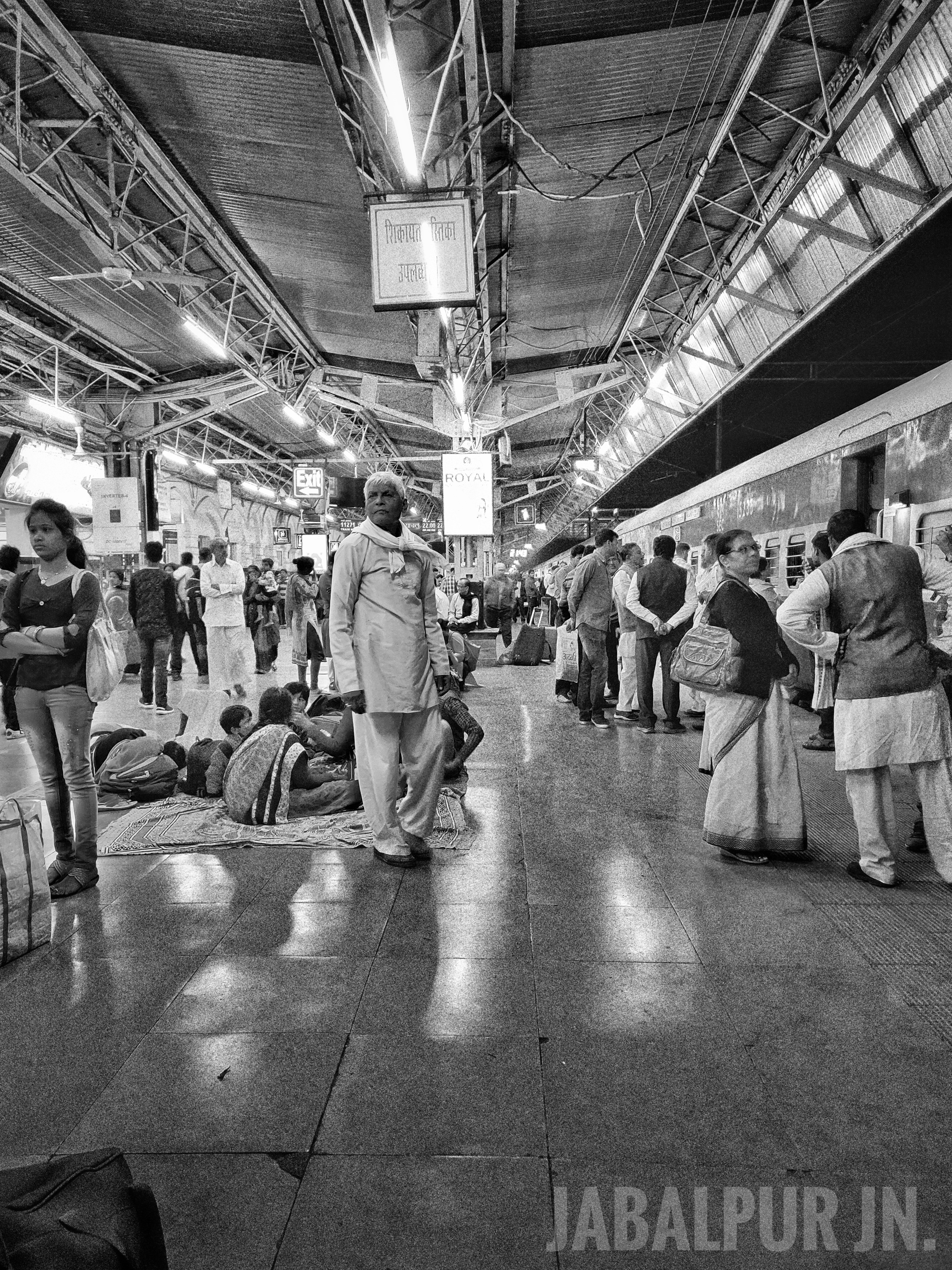
Reached Jabalpur Station:-)

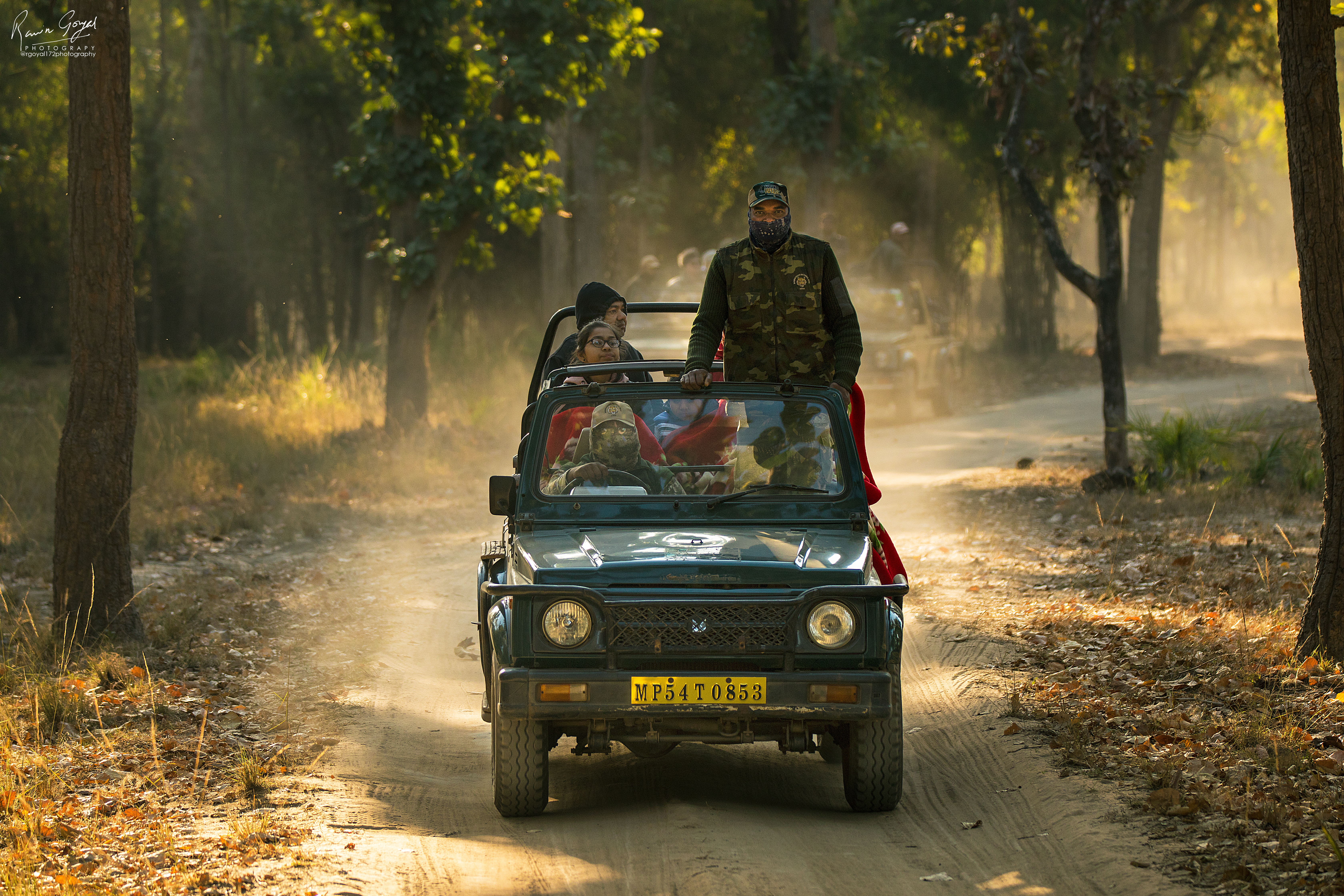
               On the very same day, we had our first safari at 5 pm. The jeeps were waiting outside our hotel and we were ready to leave for the first gate/section of the jungle. Our first safari was in TALA Zone.

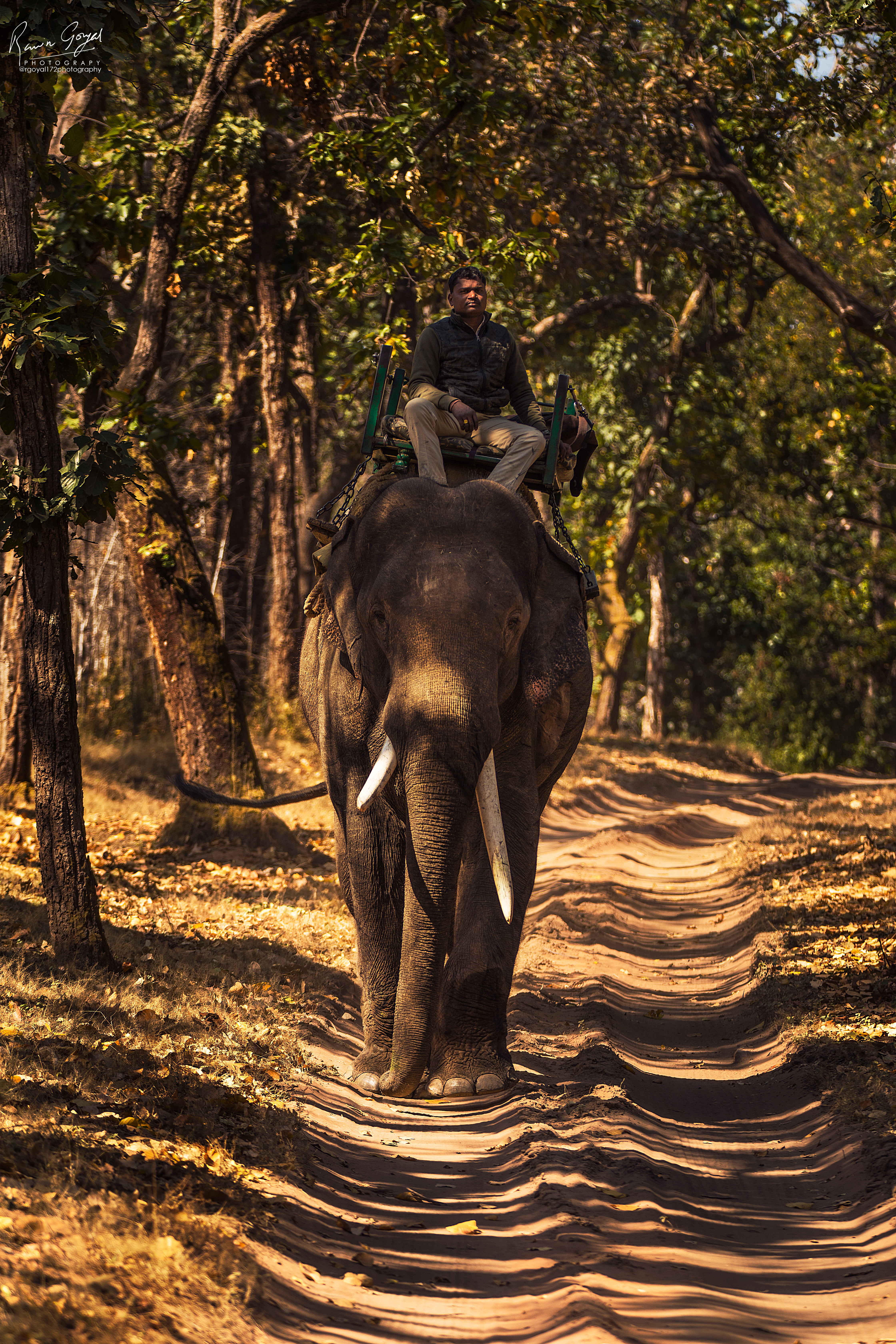
              Tala zone attracts highest number of tourists as the chances of siting Tiger are more in that zone. However, i.e. not 100%, just the chances are high as mostly local’s find tigers walking around. One thing, which I found funny the most, was that they were taking the reference of elephants to find out where the tigers were, as they believed that the chances of seeing the tigers was  more where the elephants were seen. The tiger follows the elephant when the tiger is thirsty and wants to drink water as the elephant looks for the water easily and hence the tiger can find him and follow him easily to reach the lake and then drink water.

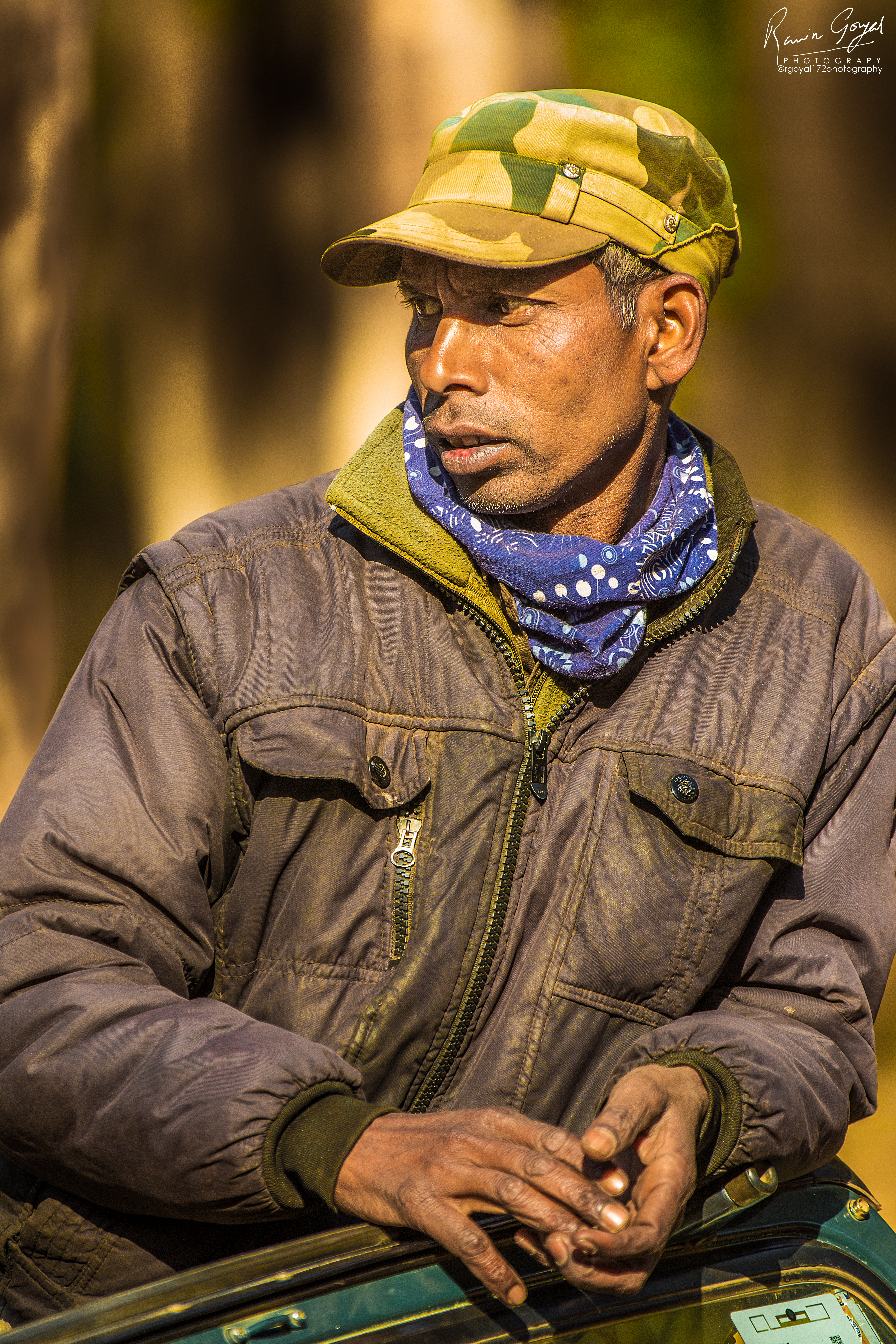
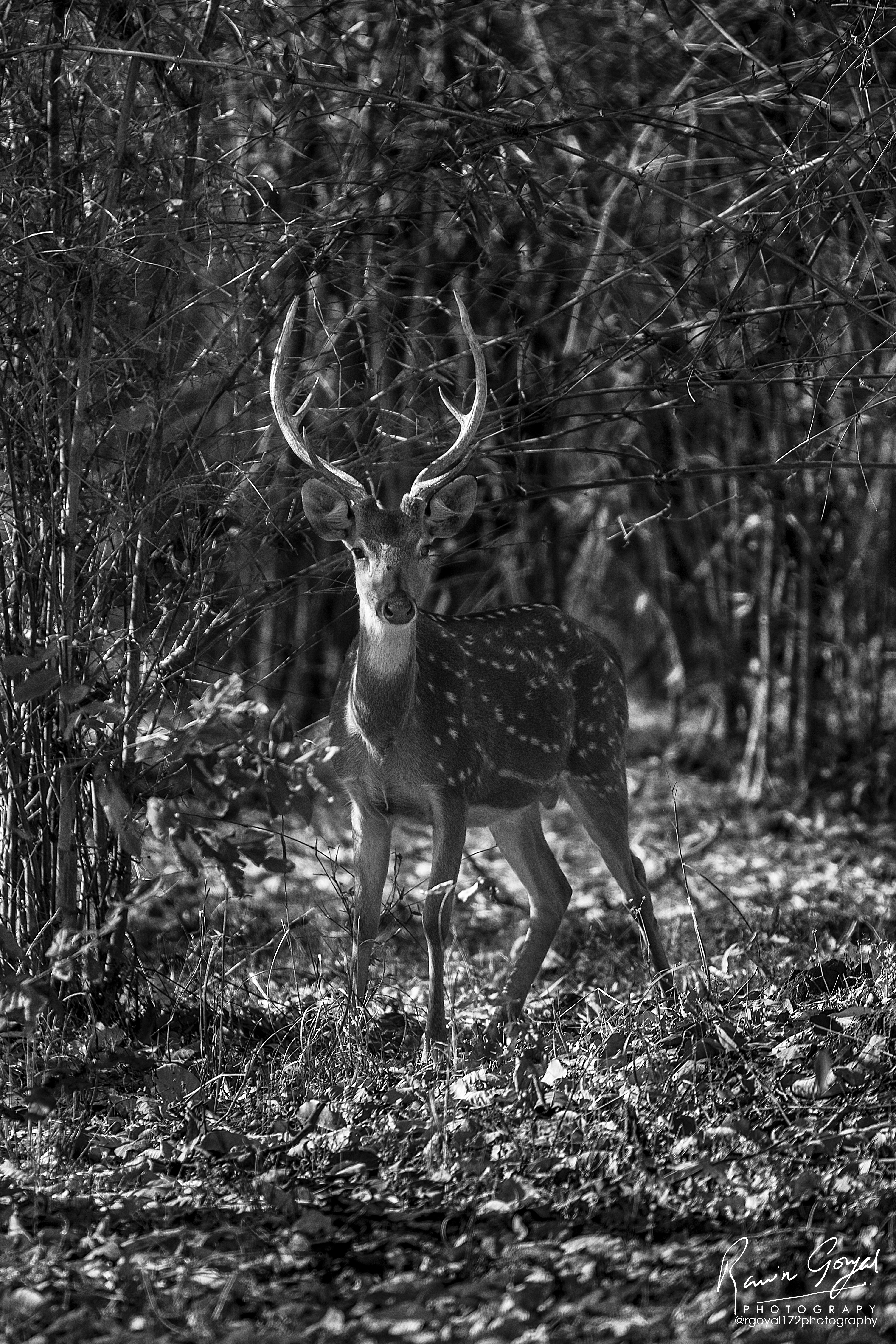
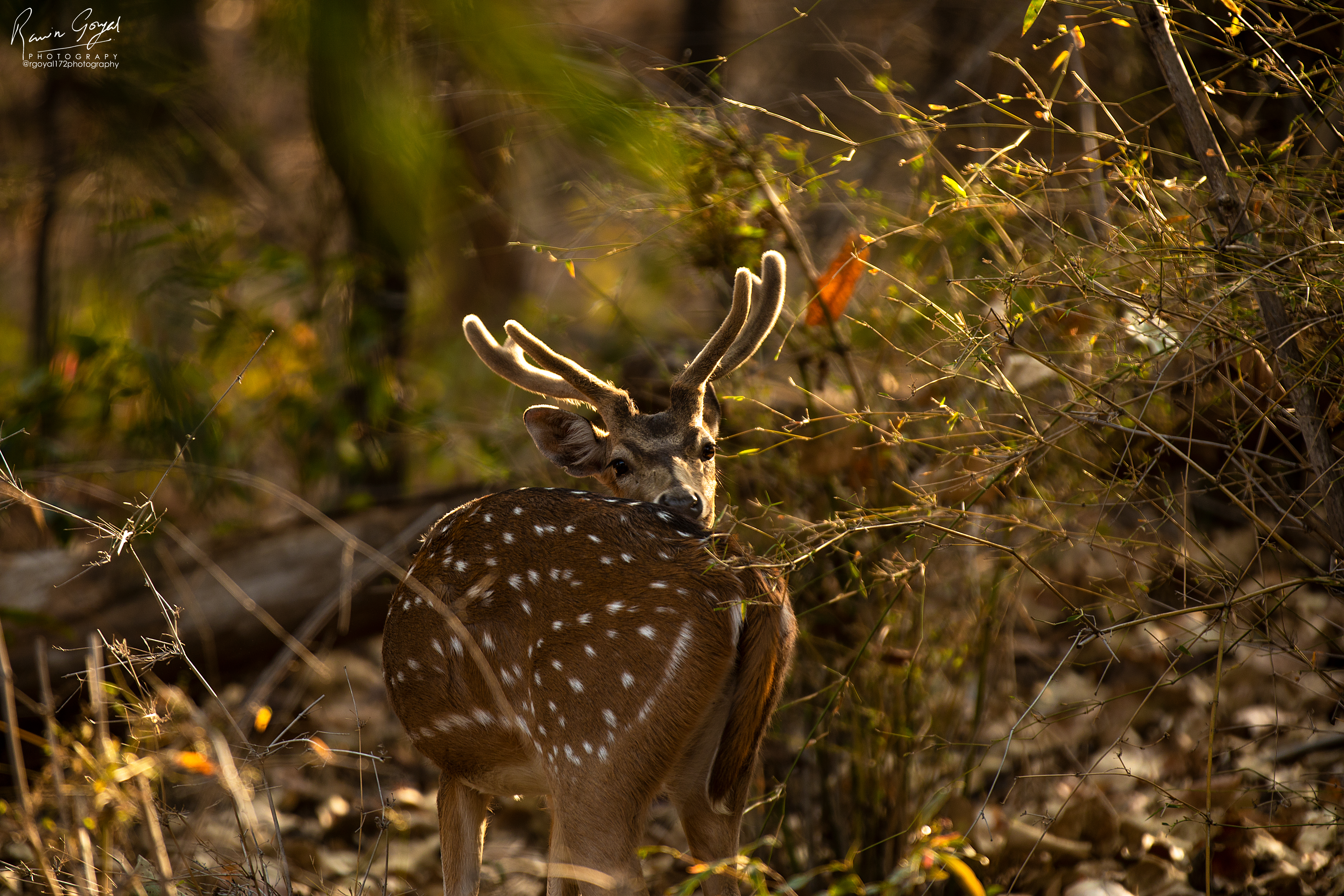
               Our safari driver’s eyes were so sharp that they could see the footprints of the tiger from very far and then follow accordingly. For the first 1 hour we did not see any tiger, what we saw were just deer’s, monkeys, and birds. However, as the sun was about to set they got a call from the locals that three tigers are spotted drinking water near the lakeside. The safari driver than rushed the car towards the lake side. Moreover, there were around eight jeeps just to get the glimpse and capture the picture of the fearless and brave cat the TIGER.

 Just as I saw the tiger, I was just not able to get my eyes off and I missed the most precious seconds to capture the images of the tiger but at the end, I got at least one shot of the tiger, and I was thereby happy. Then we started to follow the path of the tiger so that we could see more tigers and capture more images but guess what, it got dark completely so, it was time to leave as they had the call time of 6:30 pm. But we were happy that on the very first day we got to see the tiger and the images that came out were superb.

Fearless Cat!!! The power in the eyes is just beyond words!!!!

                   Then we came back and went for some shopping in the local market, where we purchased the BANDHAVGARH camouflage jacket and some handmade jewelry. Then we went back to the hotel and ate the dinner and then we all planned to do star trailing. So we took our cameras and tripods and placed them and started looking for the stars. After few shots, we got tired and it was getting colder so we packed up and went for sleep, as we had to wake up early next day morning for our next safari in Magdi zone.

The star trails came out to be the best star trail experience till now. As we learnt many new things from camera setting to star movements and stability and many other adjustments which are to be made physically within and the camera too.

During the night while capturing those star trails, it was just something very different but beautiful about the time and the environment . I was feeling like I should sit and look at the stars all night . It was so mesmerising.

Just awesome!!!

              On the next day, as we had our safari at 6.30 am we all got up at 5 am and freshened up and then we left for the safari. However, this time for almost one and half-hour we did not see anything except the deer’s and monkeys. So we all were like full on bored and were just wishing to get back to the hotel and relax and everyone’s faces got dull as none of them got a single nice shot of the mammals but what we got were just of the nature and surroundings.

                 We came back to the hotel and relaxed for a while in our rooms and then we went for our lunch and then back in a relaxing mood. As after that, we had our third and the last ride in the Bamera zone, as we were going to leave the hotel the next morning.

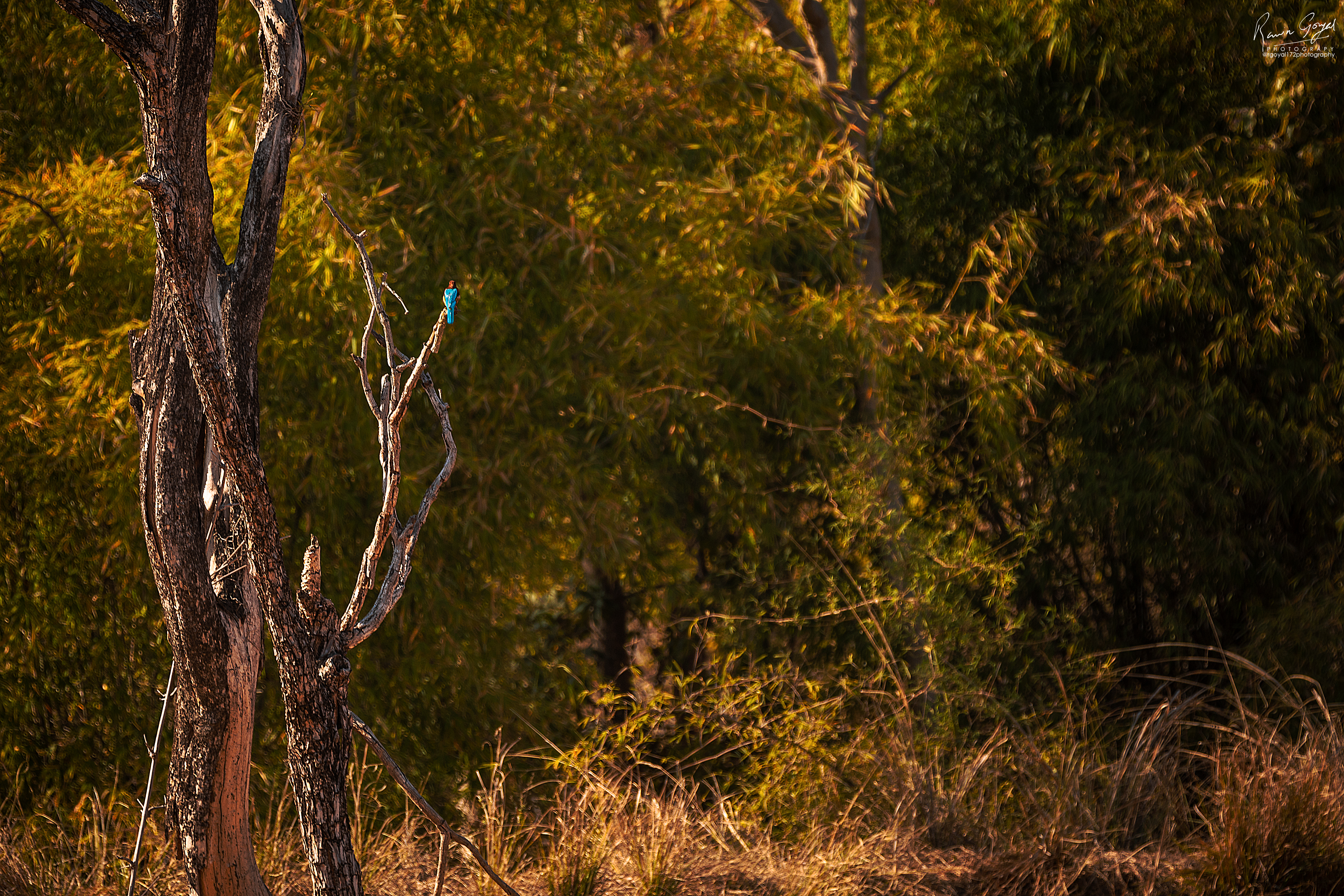
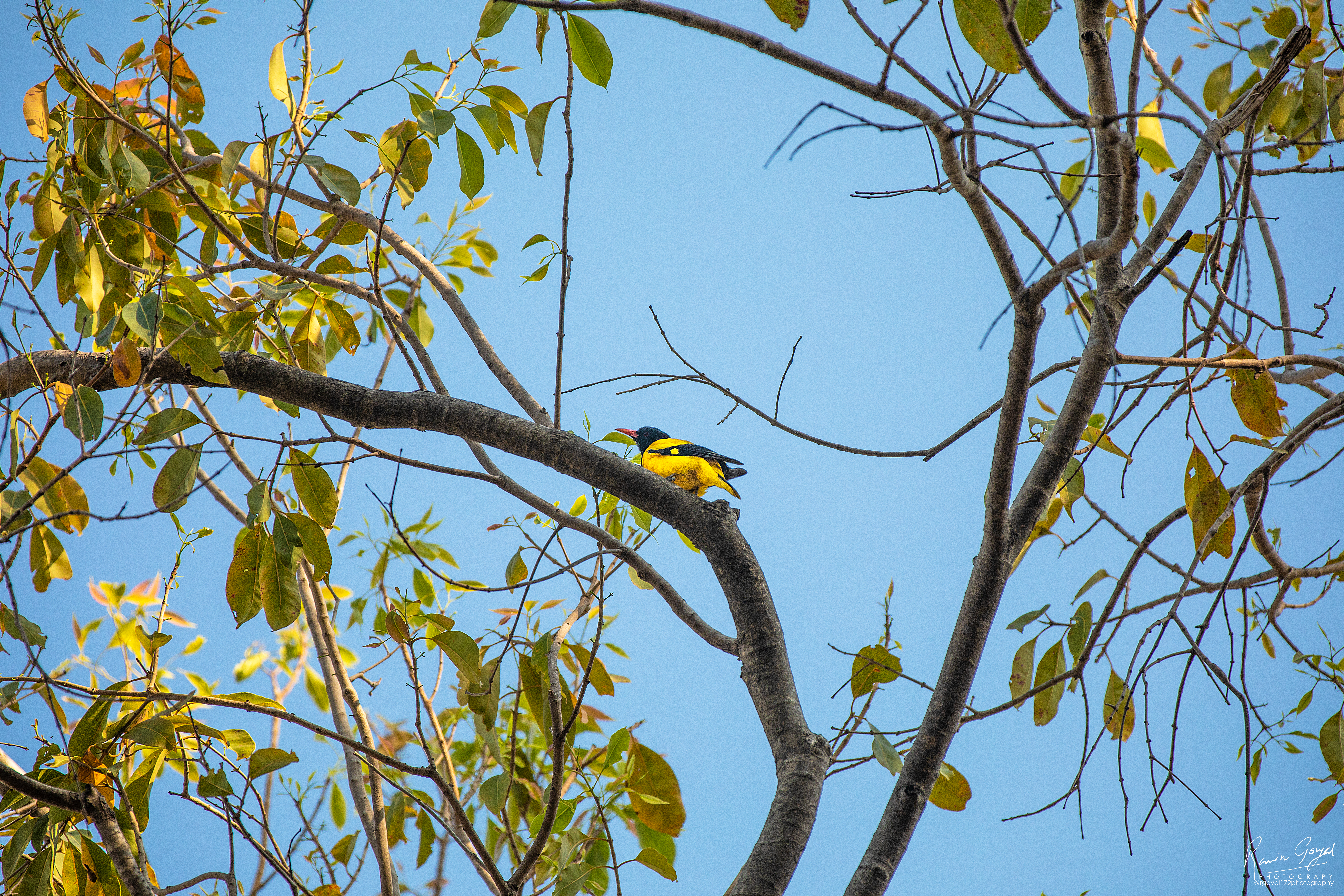
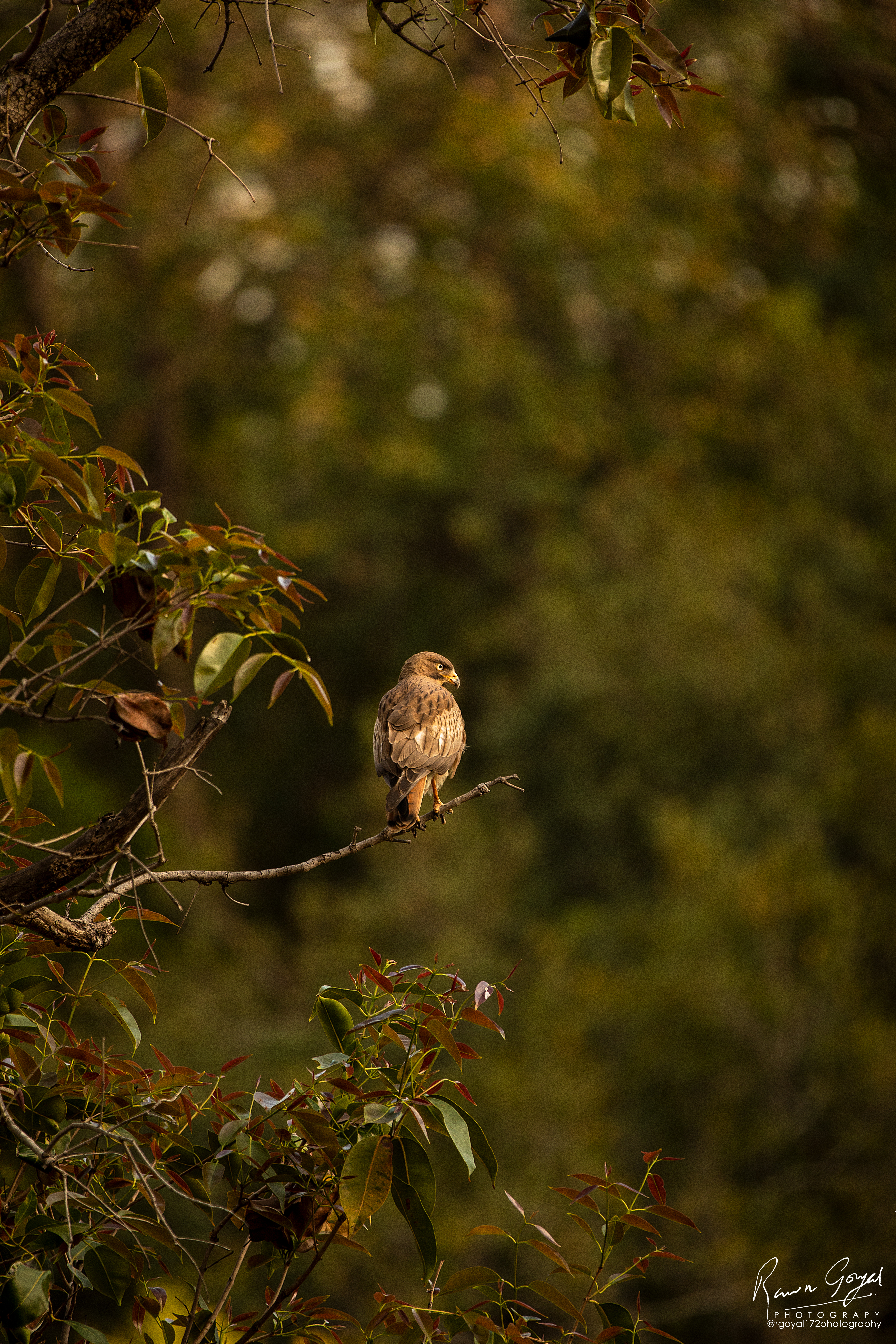
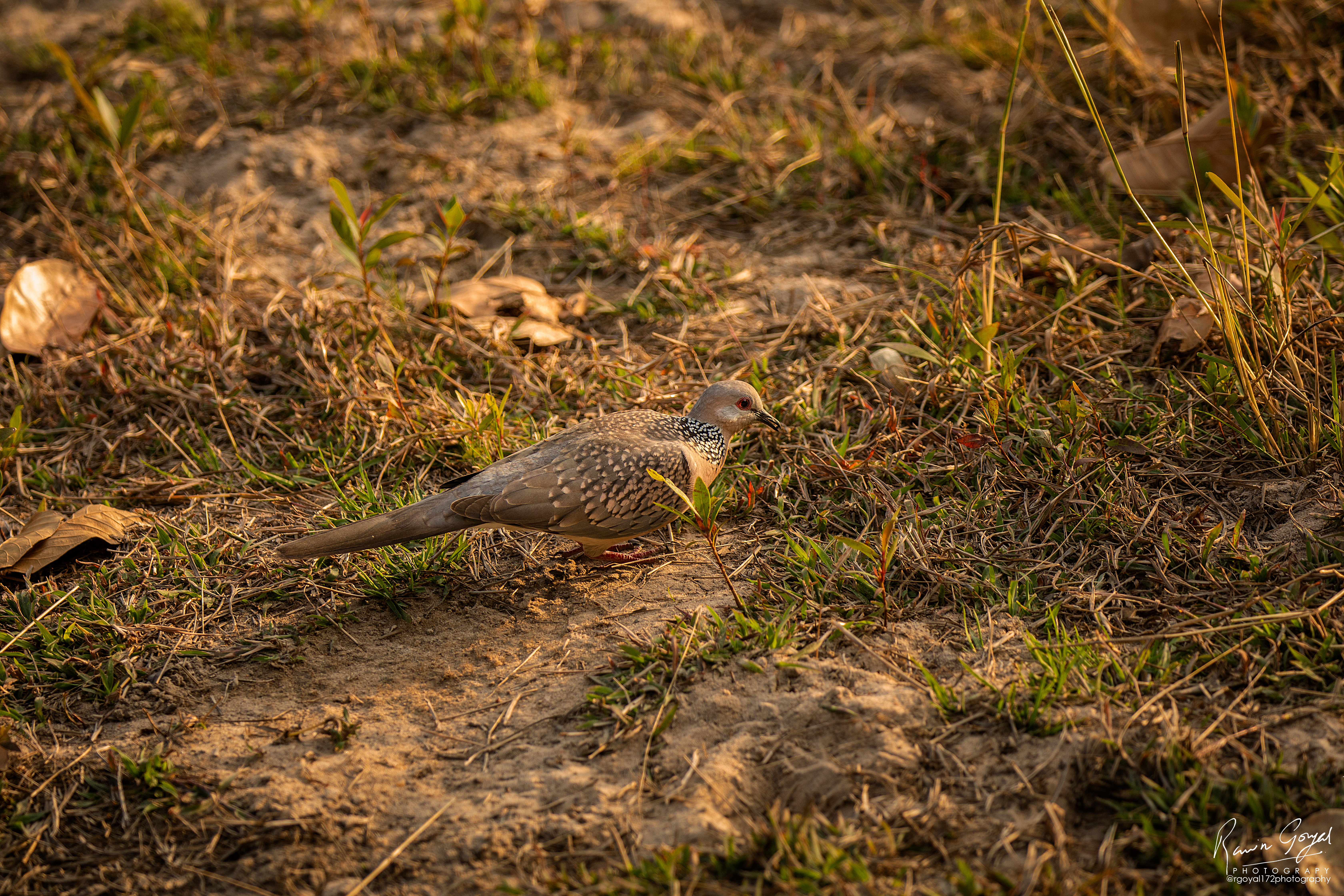
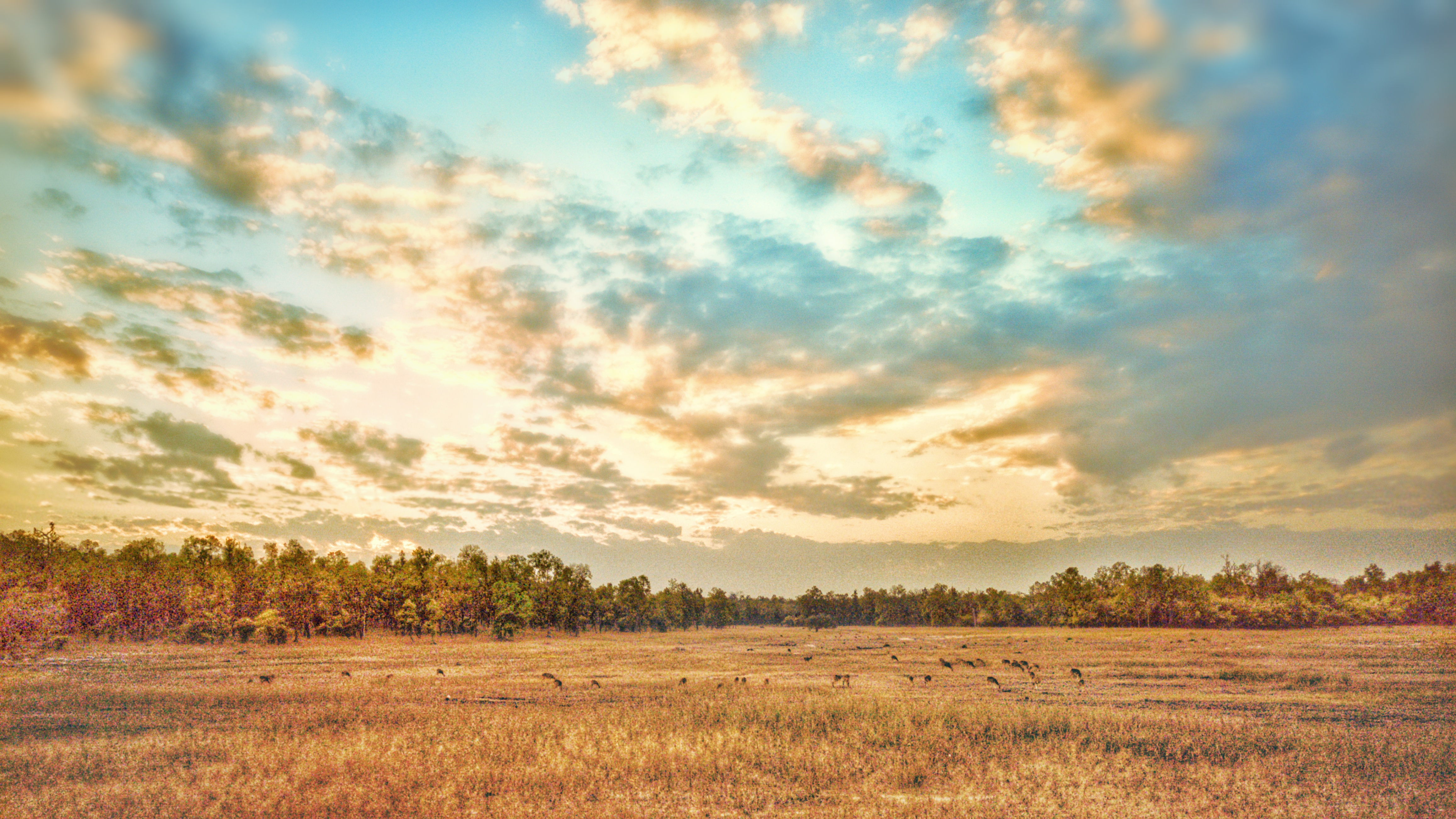
                  At 5 pm, we had our safari outside our hotel and we were out there with our camera gears ready to shoot and enjoy the last segment of our journey. We left for the sightseeing and then firstly we spotted an Owl and then deer’s and some monkeys and while returning we noticed a bunch of vulture settled on a branch of tree and looking all around. We stayed there for a while as we had some time left, so we stopped our car right there and enjoyed the feeling of the environment and the sounds of the birds chirping and got relaxed, felt the cool breeze and started moving towards the exit. We did not spot any tiger again but we did enjoy this ride as we got some amazing shots of birds and sunset. We enjoyed and had so much fun during this ride.

               We went back to the hotel, had our dinner and as we all were very tired we went to sleep early so that we can relax and wake up on time the next morning and continue the rest of our trip properly and with full energy. So on the next morning we woke up and left for our other destination i.e. the Khajuraho and then the Bheda Ghat.

Image Courtesy: RAVIN GOYAL

  The tour was amazing, we had a lot of fun, captured amazing pictures and saw historic monuments and carvings and witnessed different things to learn and get inspired. It was an honor to be a part of such a beautiful journey. I would wish to visit Bandhavgarh many times and capture the best and get the best out of the park with its beauty and my skills.

THE END!!

No comments to show.

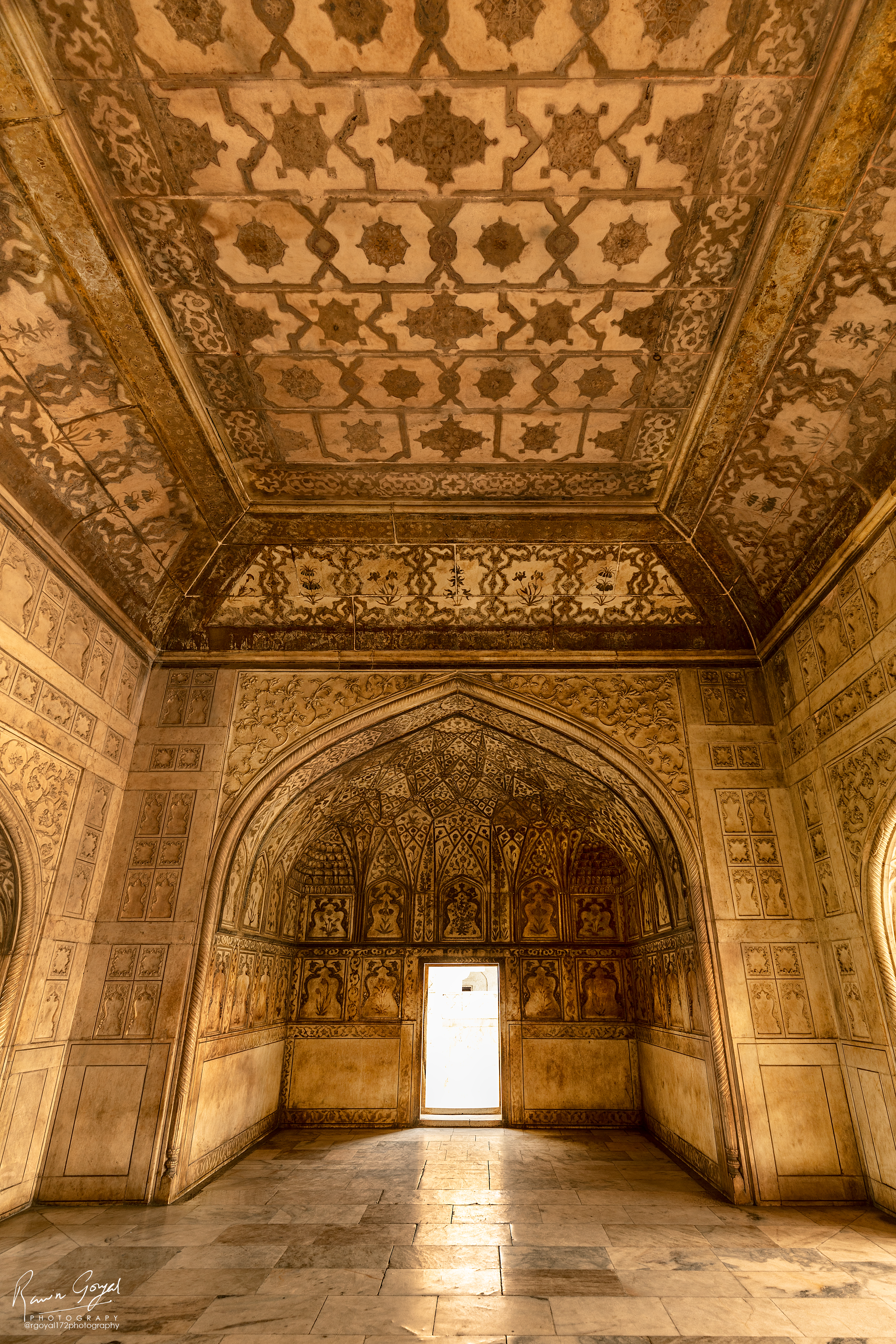
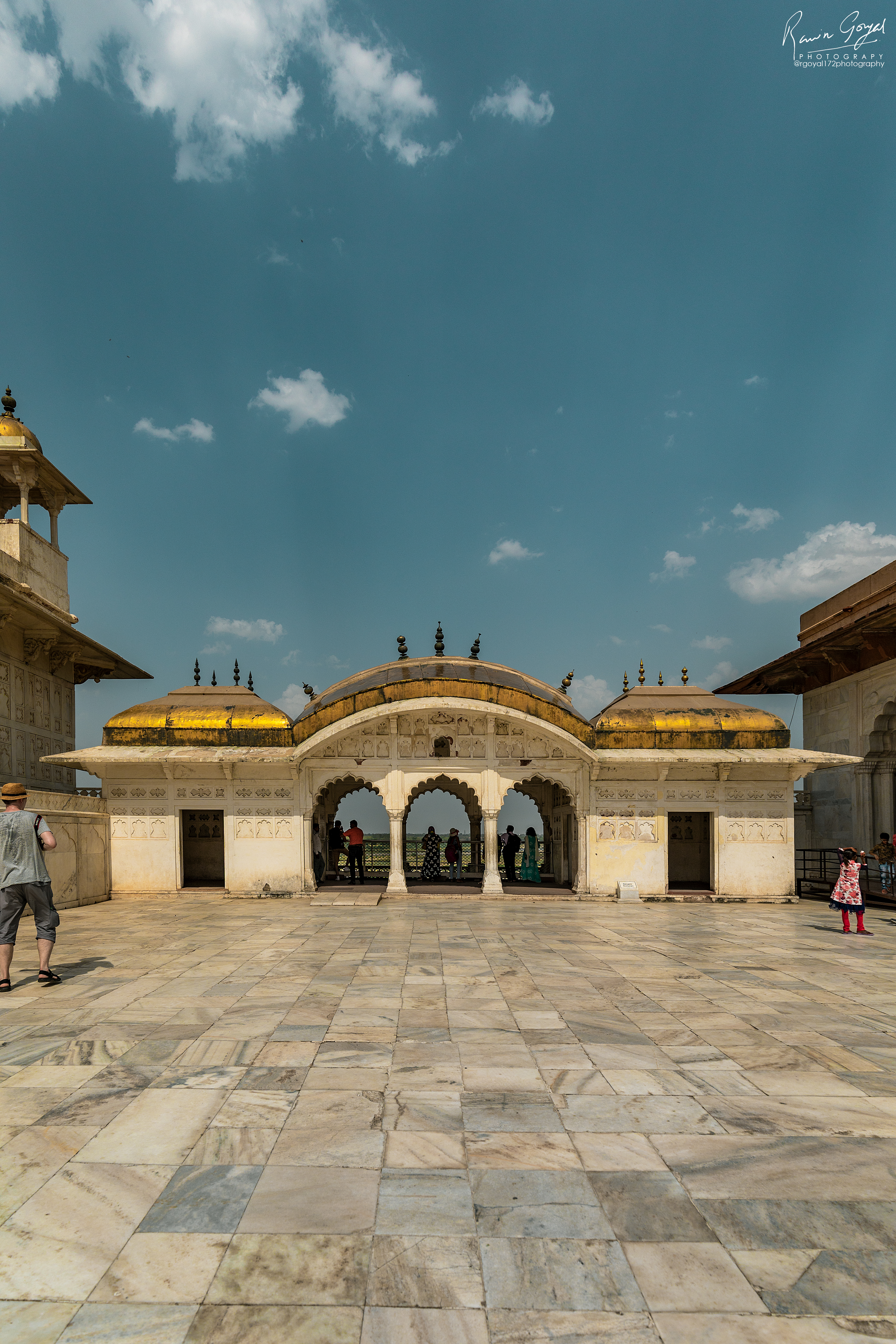
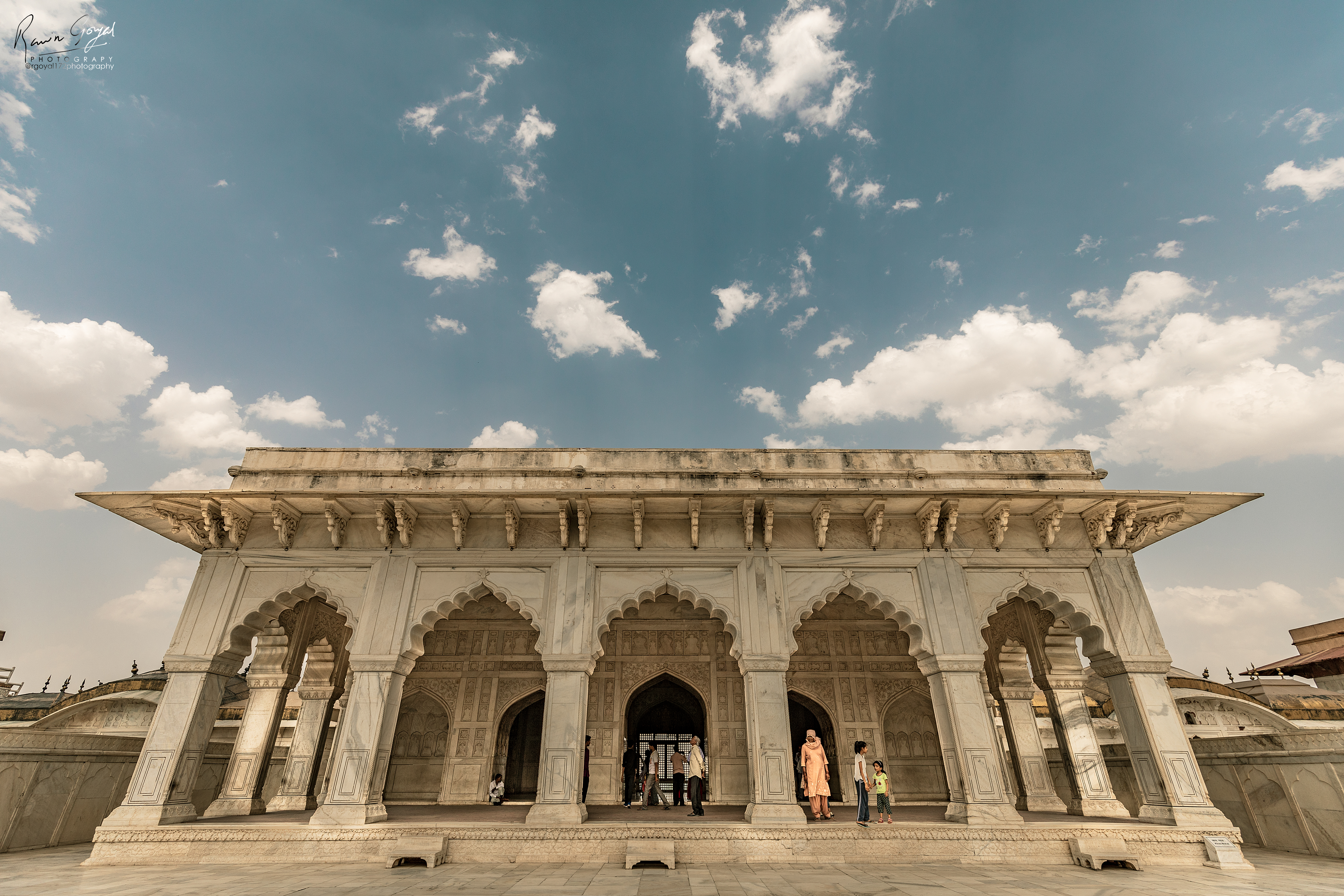
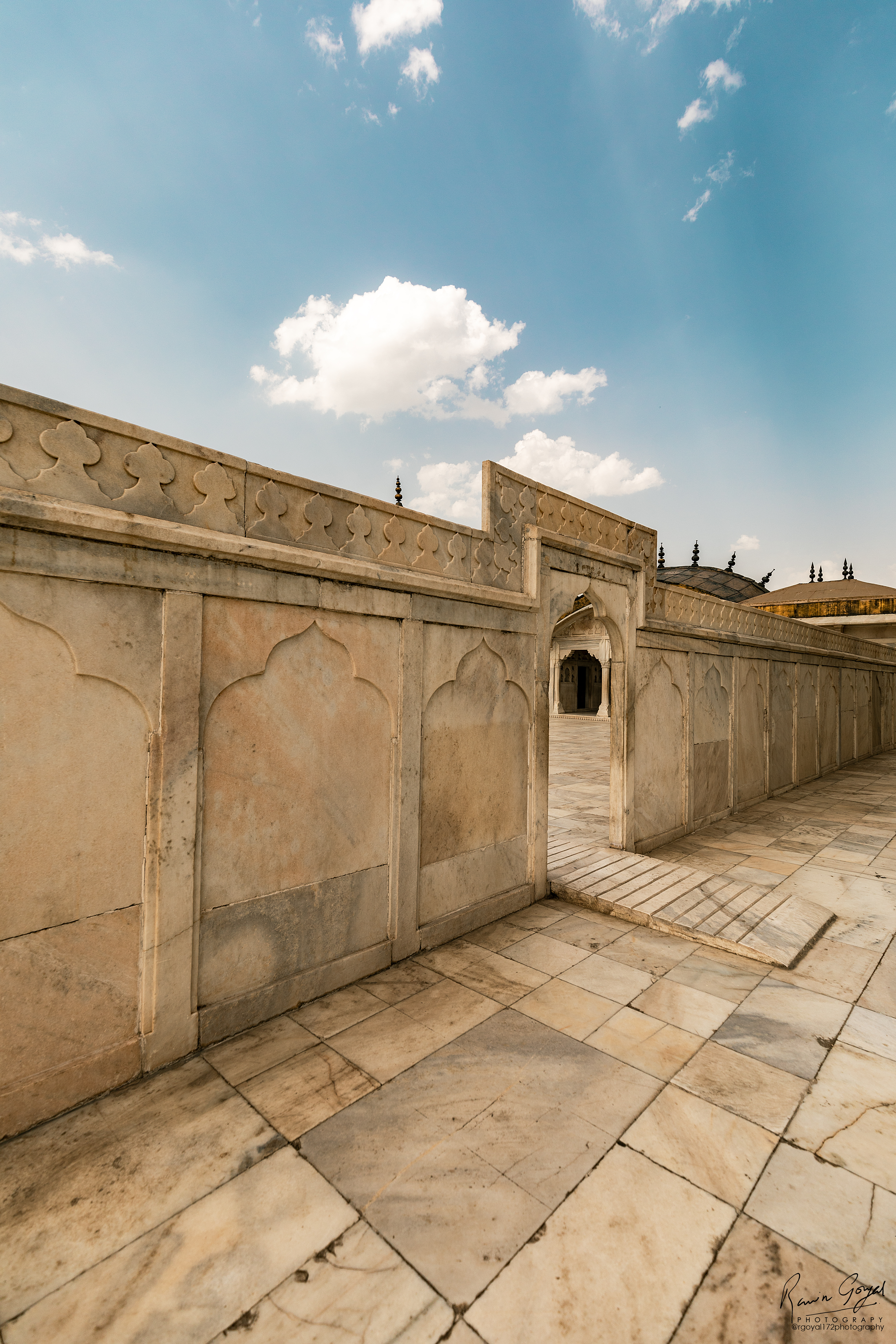
VISIT TO AGRA FORT , U.P , INDIA

During my preparation leave for my semester exams, I visited AGRA for a wedding function with my family for 4 days. It was hot and sunny out there. On the first day itself as we reached the hotel and got ourselves relaxed and after getting freshen up

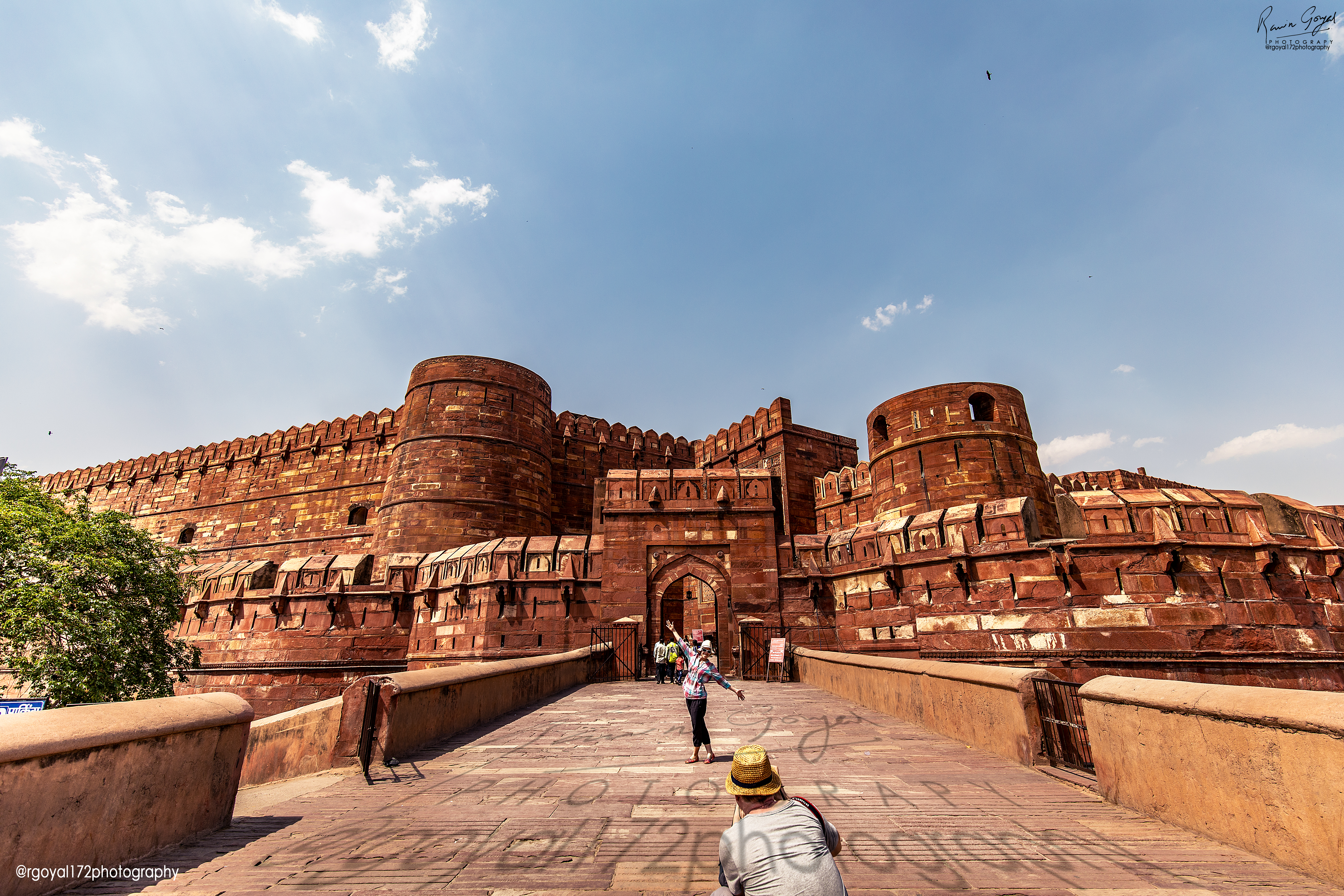
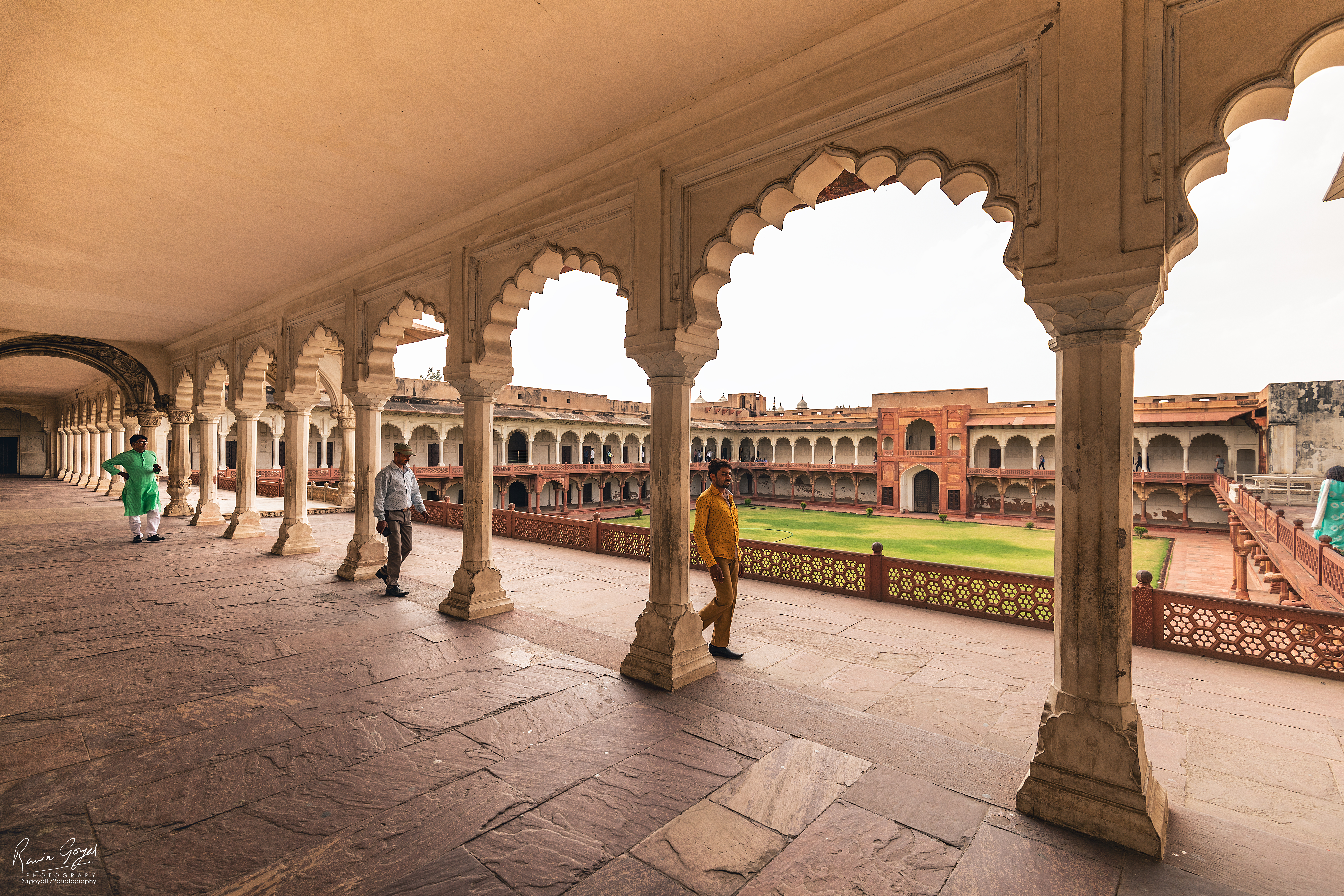
We, headed out for a half day sightseeing.  Our very first stop was AGRA FORT. It was about 6 km from our hotel.

The entire fort covers an area of about 94 acres of land, but only a portion of the fort is open to public as the northern area of the fort is still in use by the military people.

    Agra Fort has a very long history beginning with its construction in 1080 AD.

The fort was built to the current form by Akbar the Great of Mughal reign in 16th century. However, the fort has been in existence since 11th century. By the time the fort fell into the reign of Akbar, the structure had undergone many battles and rulers. It is assumed that it once belonged to the Rajput kings and it was called as Badalgarh.

   Badalgarh was entirely built with bricks. When the fort reached in the hands of Akbar, it had just ruined. Akbar wanted to establish a capital in Agra and found the fort area to be strategic. He started to build a fort entirely out of red sandstone. The work started in 1565 and ended in 1573. Primarily, the fort was built as a military installation rather than a royal residence.

    The 70-foot wall stretched for around 2 km of land. When the fort ended up under the reign of Shah Jahan, the great grandson of Akbar in the 17 th century, he tore down several palaces and structures inside the fort to make space for marble palaces. Later on, his son, Aurangazeb expanded the fort’s outer wall into a moat and formed a secret escape tunnel.

   After Aurngazeb’s death in the 18th century, the Agra Fort was left to ruin. Marathas invaded and seized the fort. The other kings around the region fought with the Marathas for the hand on the fort. It moved from one reign to another for the next hundred years before ending with the British Empire. British used it as their military base. After independence, Indian army is now using the part of the fort.

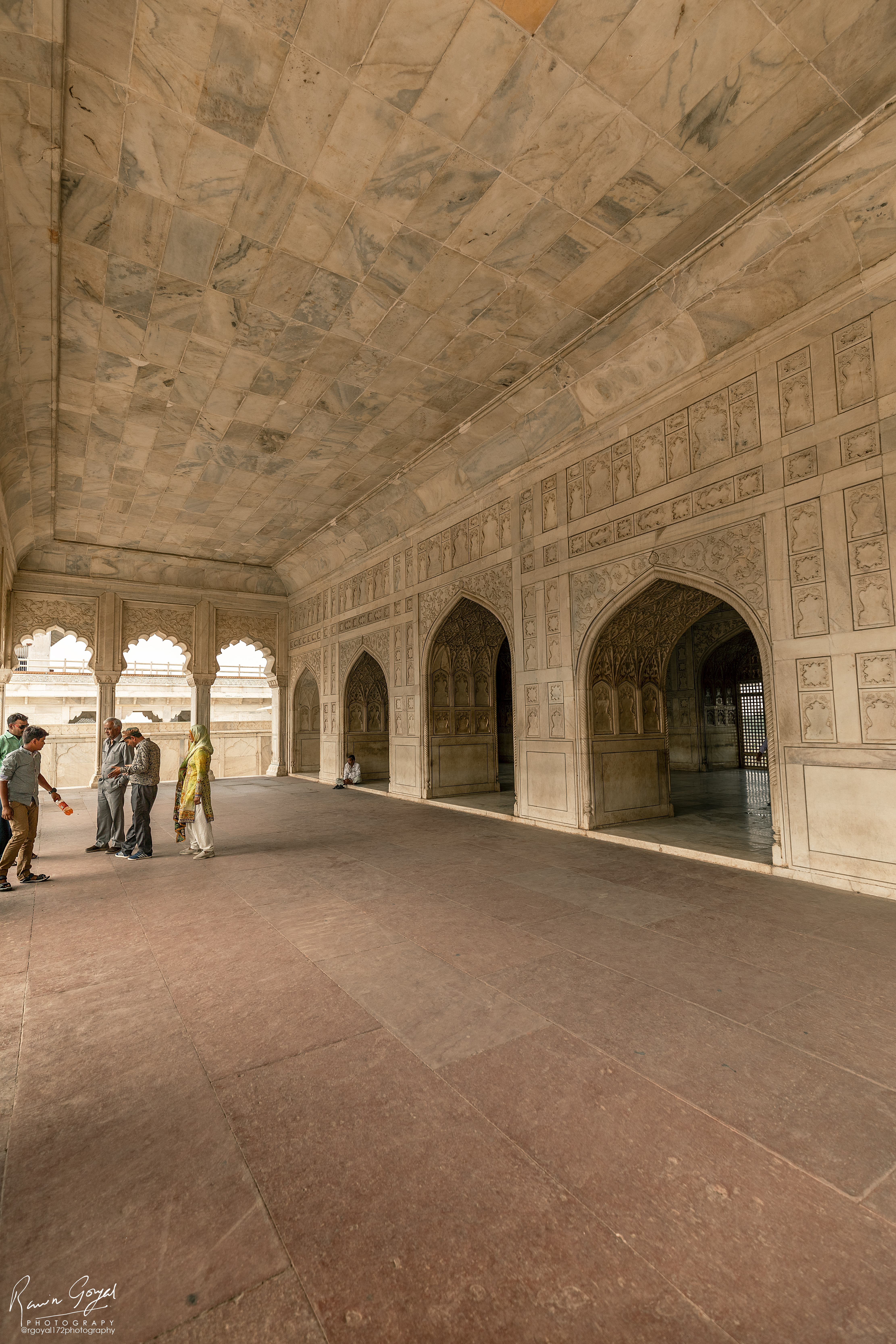
   However, the remains you can see today are actually from 1573 AD when Akbar, the emperor at that time, had the fort rebuilt in red sandstone. Later, Akbar’s grandson, Shah Jahan, the one who had the famous TAJ MAHAL built, added structures inside which were made of white marble to match it with the TAJ MAHAL. And that is how Agra Fort appears today – a combination built of red sandstone with marble palaces on the inside.

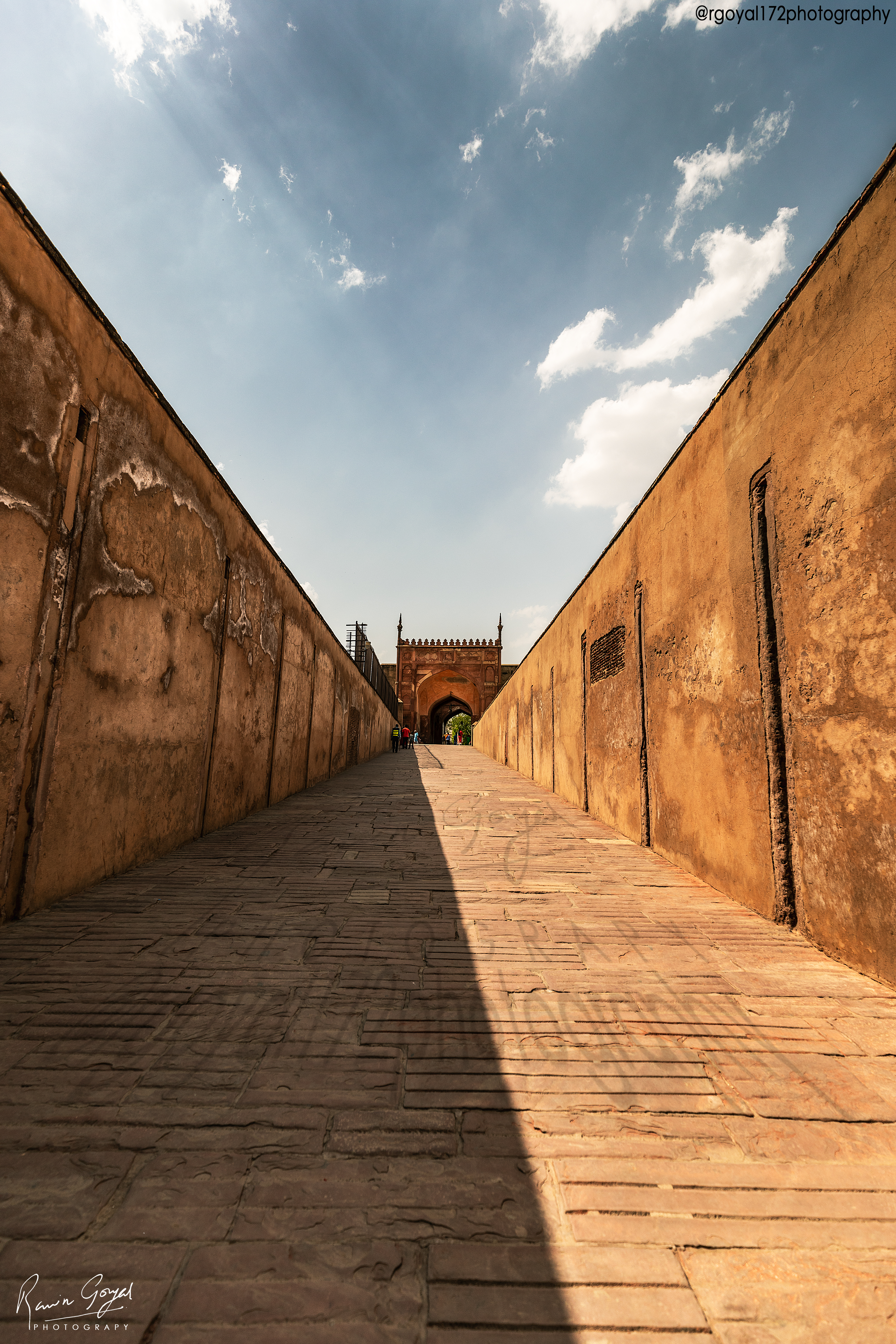
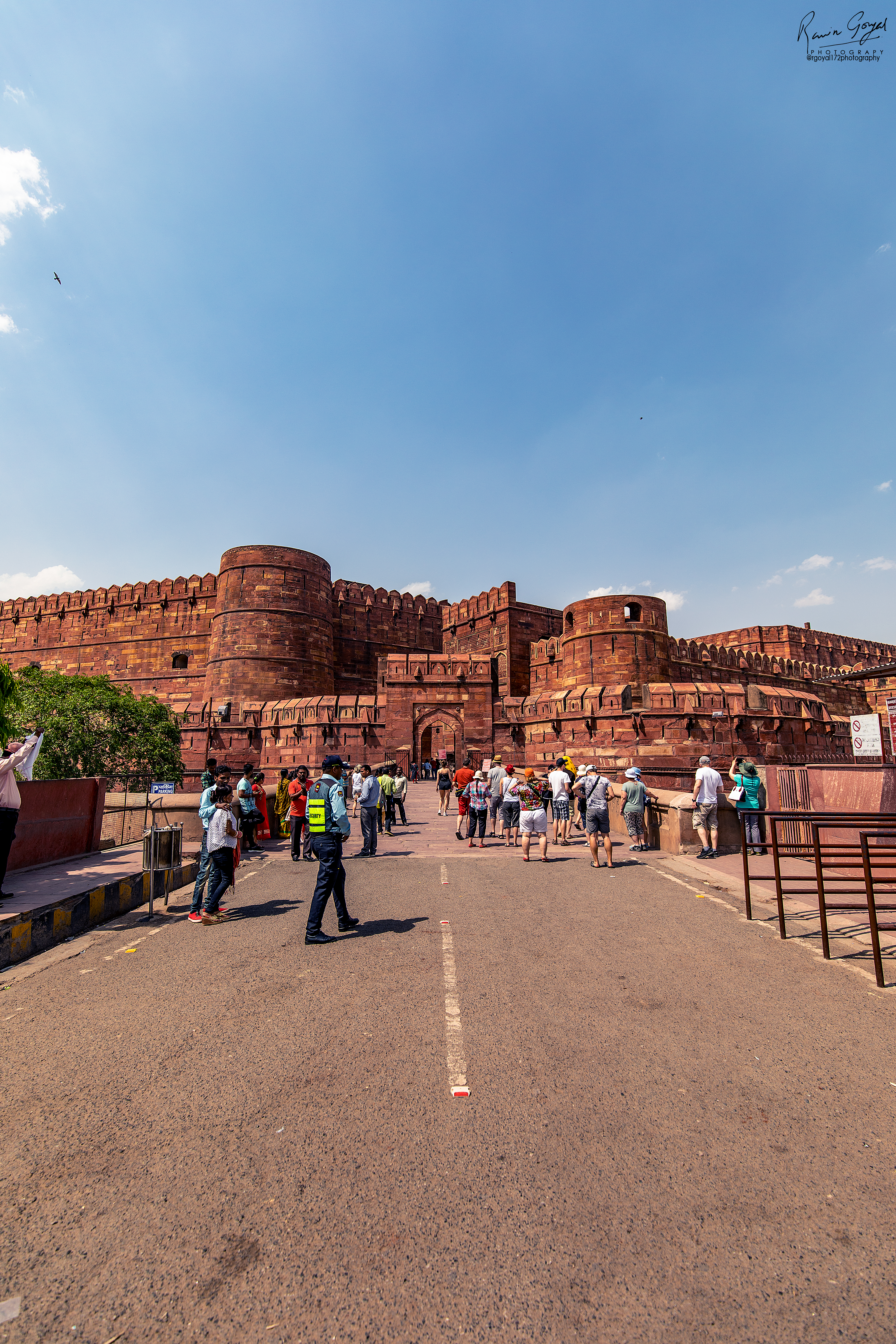
     The wide spreaded fort has 4 entrance gates. The one gate which is open to public is the AMAR SINGH GATE. Charging an entrance fee of RS- 250 for tourists to visit. If you wish to hire a guide then you can hire the guide accordingly, but don’t forget to bargain, as they to tend to charge big amounts.

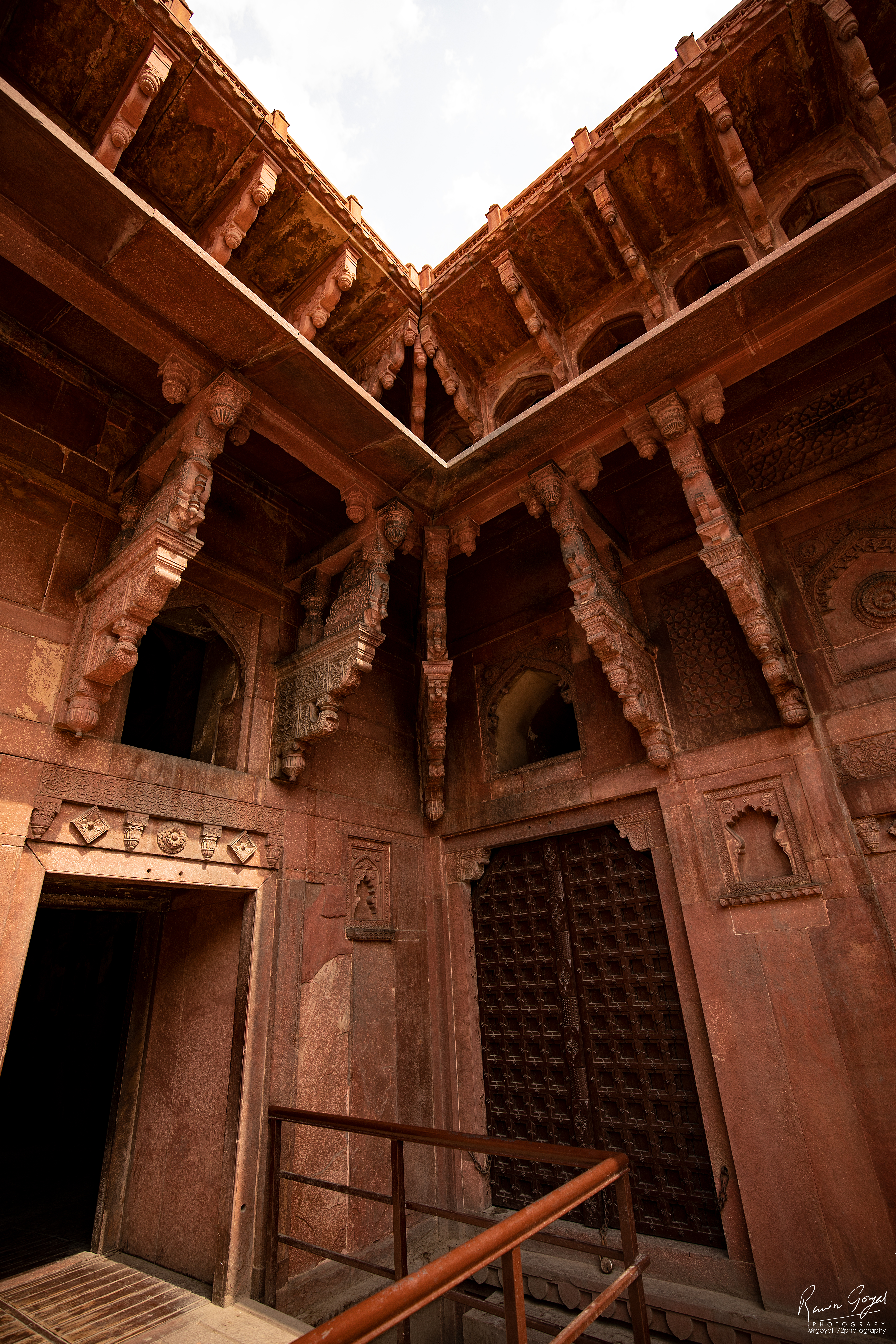
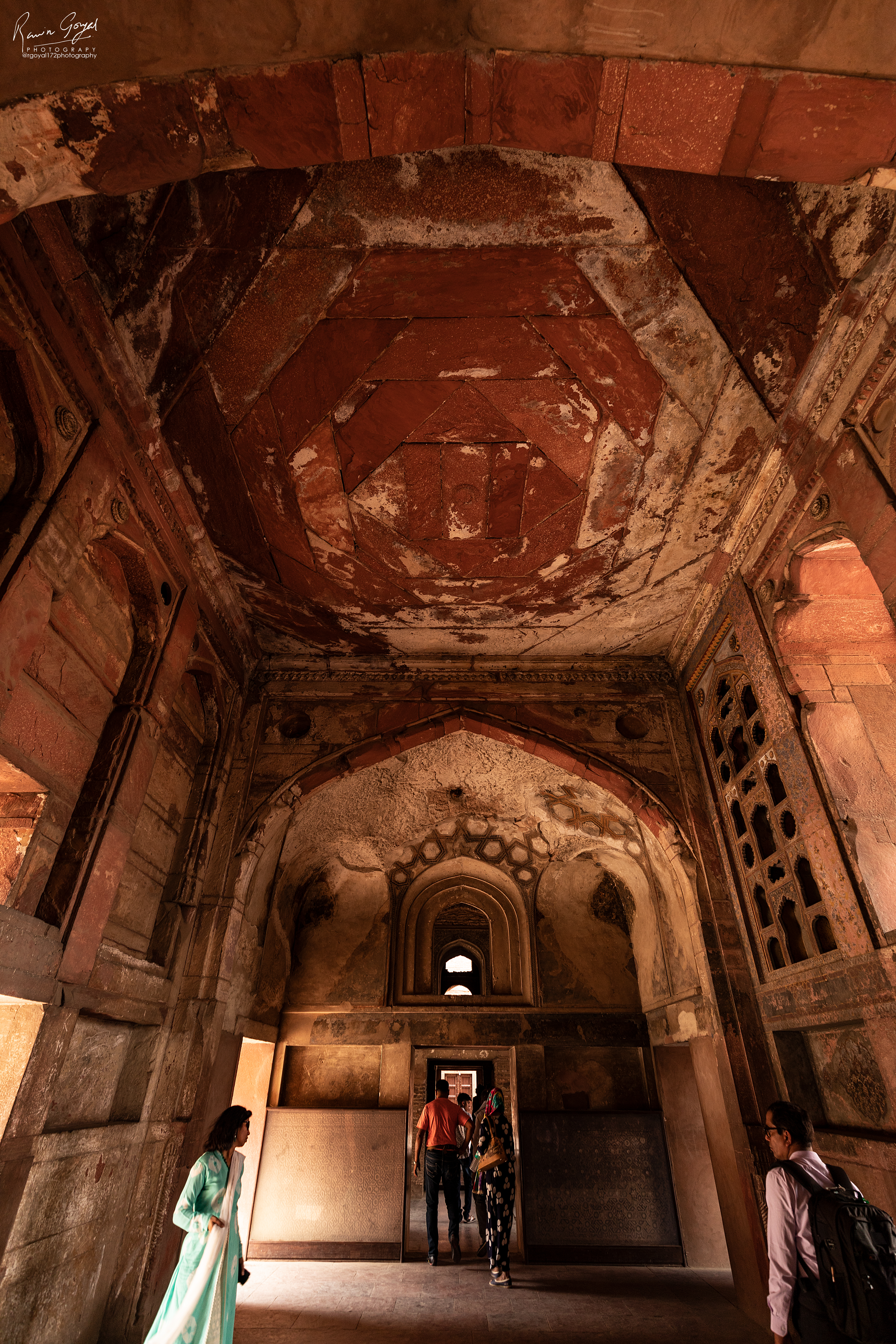
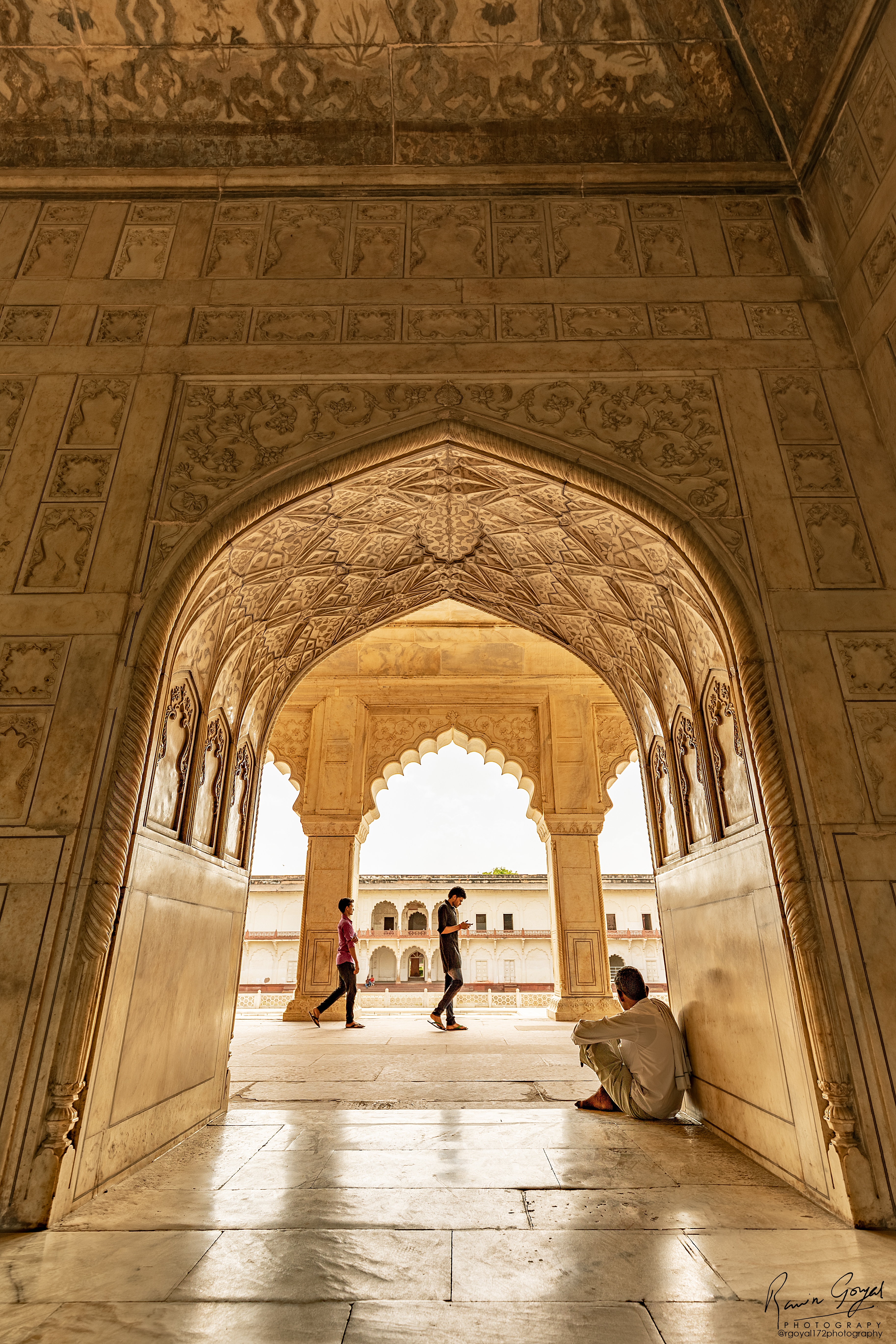
  As soon as I entered the premises, the first thing which I noticed was that such an ancient piece of architecture is in such good condition. The beautiful carving done on the red sandstone completely left us astonished.        

As mentioned earlier, much part of AGRA FORT is closed for the visitors but still there is a lot to see for the tourists, which will amaze them.

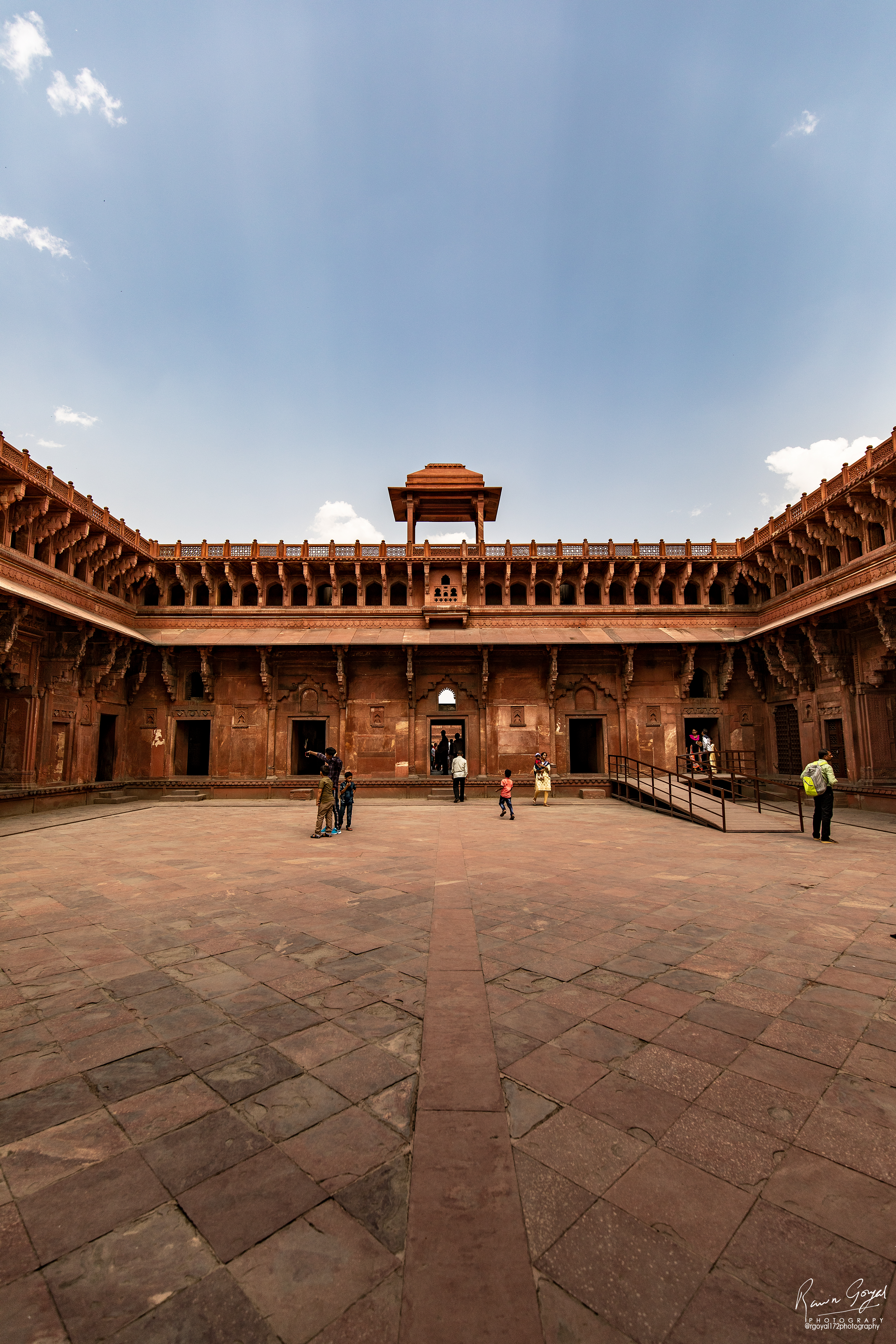
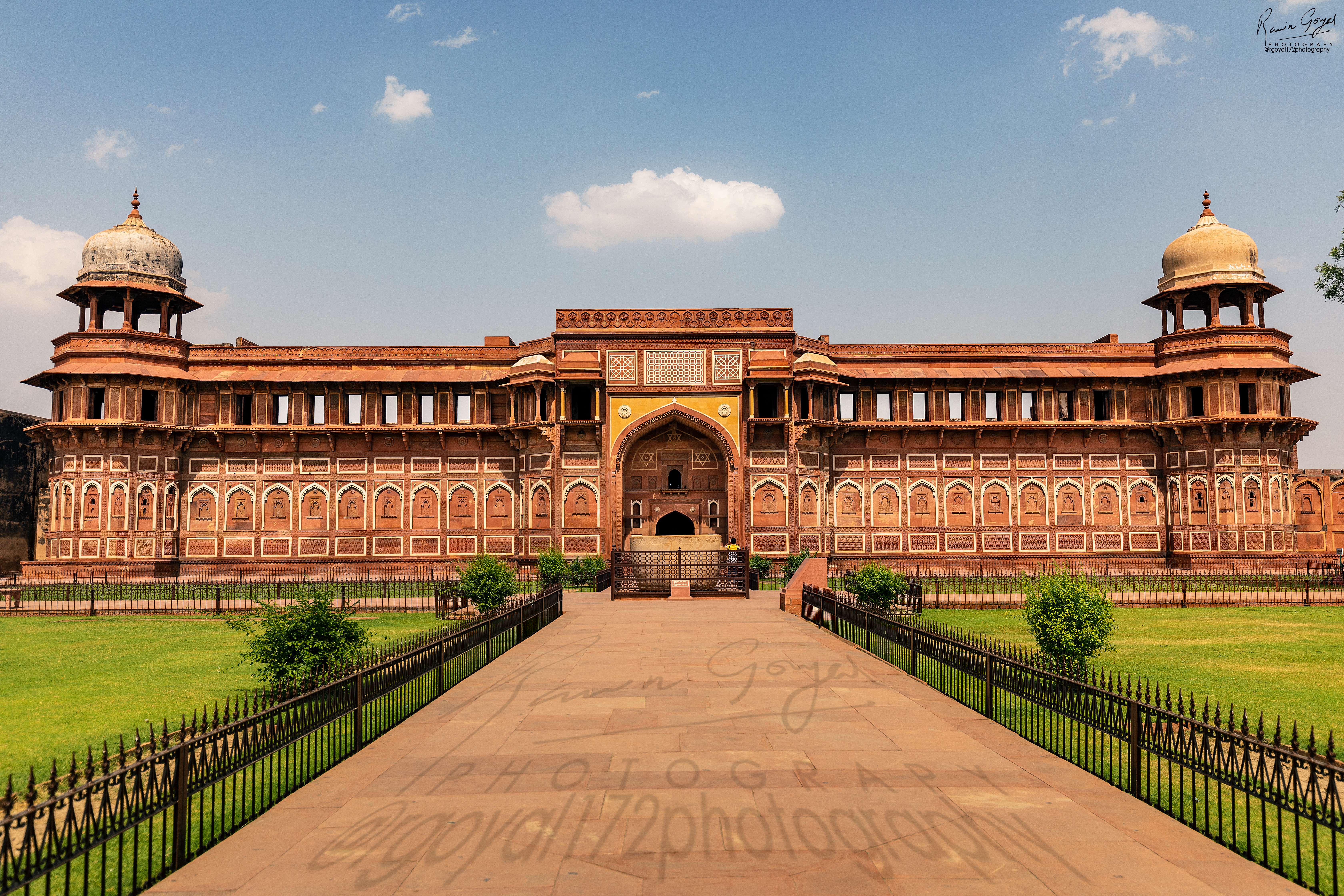
                   The very first thing that you can see after entering the fort is THE JAHANGIR MAHAL which was built by AKBAR for his son, JAHANGIR. Ultimately it became the Zenana, which means the palace for the royal women of the family. It housed the wife of Akbar and Jahangir. One of the most exceptional buildings in the Agra fort , the palace has a gateway that connects to an inner courtyard which sits amidst lavish halls that are decorated with engravings on stone , columns and cross-pieces . The courtyard halls and adorned in a Gujarat-Malwa-Rajasthan architecture styles.

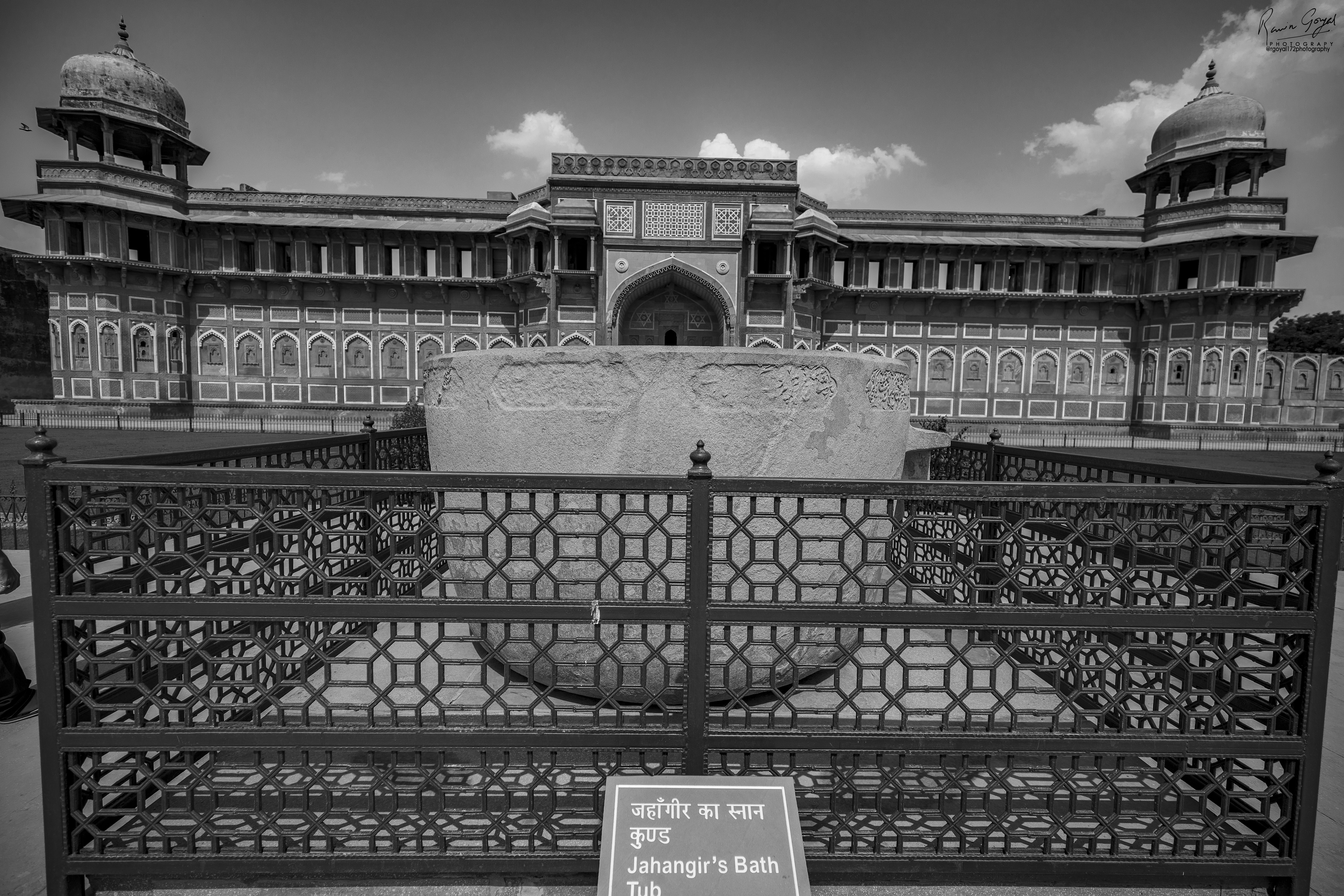
There’s a bath  tub in front of the JAHANGIR MAHAL.

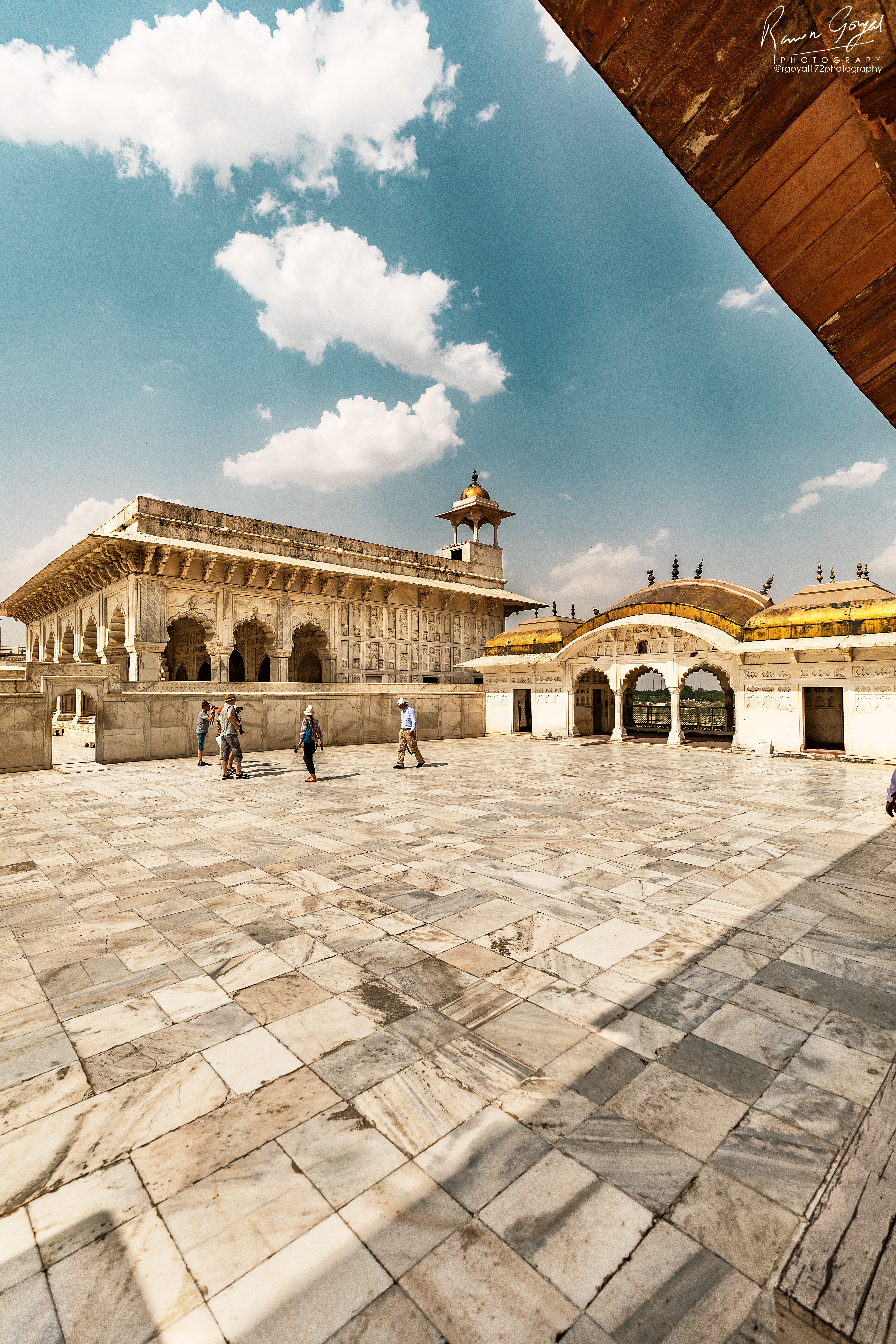
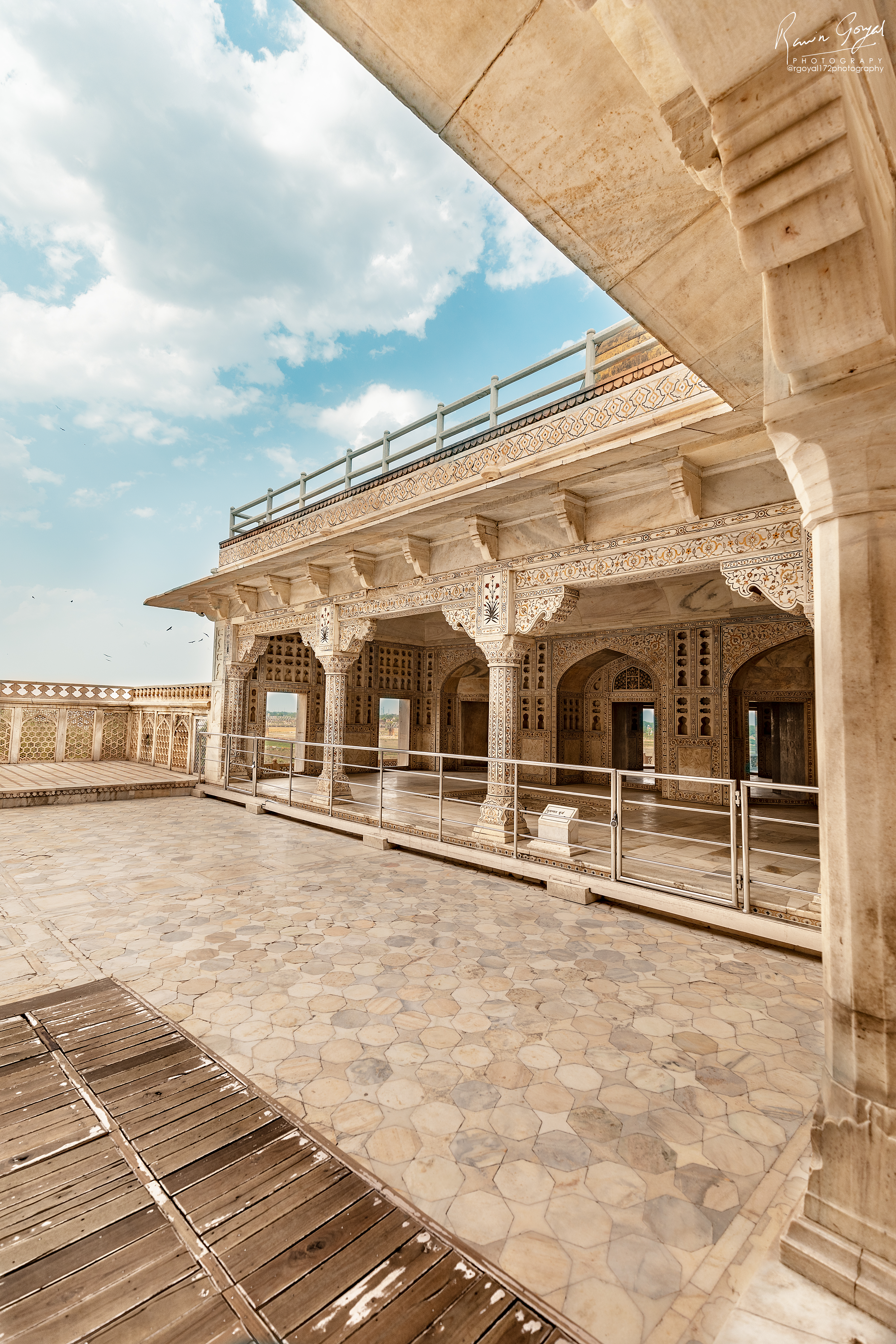
    My next stop was MUSAMMAN BURJ which is one of the best portions inside the Agra Fort. It was built by SHAH JAHAN for his favorite wife, MUMTAZ MAHAL. The Musamman Burj represents a marble design inlaid with precious stones, a domed ceiling, and a fountain in the centre of the room. The views from the Burj of TAJ MAHAL are spectacular. During the last few years of his life he was imprisoned here by his son, Aurangzeb and forced to look out at his greatest creation (THE TAJ MAHAL)  until the day he died. 

This is the panoramic view seen from the Musamman Burj.

It was really a delight to visit the fort and it had awestruck me and my family , the way it was build , crafted , maintained , material quality and ideology behind each and every construction of segments. I recommend people who are interested in history and love to explore architectural places and discover their crafting and other works , this is a pure treat for them .

As they would get to see many new designs , concepts and what ideas they applied in building such massive and gigantic fort .

Image credits – Ravin Goyal

!!THANK YOU!!

MODEL RELEASE??

WHAT IS A MODEL RELEASE? AND WHEN DO YOU REQUIRE MODEL RELEASE?

A model release is similar in context to a liability waiver, which is a legal release typically signed by the subject /model/person in the photograph granting permission to publish the photograph in one way or another.

      The legal rights of the signatories in reference to the material is thereafter subject to the allowances and restrictions stated in the release, and possibly in exchange for compensation paid to the photographed.

      No release is required for publication, as news of a photo taken of an identifiable person when the person is in a public place. In general, no release is required for publication of a photo taken of an identifiable person when the person is in a public space unless the use is for trade or direct commercial use, which is defined as promoting a product, service or idea.

NOTE: NO MODEL RELEASE IS REQUIRED FOR TAKING THE PHOTOGRAPH,

IF REQUIRED MODEL RELEASE IS REQUIRED FOR PUBLICATION OF PHOTOGRAPH

The photographer is typically not the publisher of the photograph, but usually licenses the photograph to someone else to publish. Also the need for model release pertains to public use of those photos. (I.E: – Publishing them, commercially or not). The act of taking a photo of someone in public setting without a model release, or of viewing or non-commercially showing such a photo in private, generally does not create legal exposure.

       Photojournalists almost never need to obtain model releases for images they shoot for news or qualified editorial publications. Photographers who also publish images mayneed releases to protect themselves, but there is a distinction between making an image available for sale (even online), which is not considered publication in a form that would require a release, and the use of the same image to promote a product or service in a way that would require a release.

TYPES OF RELEASE

  • ADULT RELEASE: This is the form most commonly referred to as a “model release”. The language of the release is normally intended for use by models over the age of majority.
  • MINOR RELEASE: This variant of the model release contains language referring to the model (who is a minor) in the third-person, and requires signature by a parent/guardian of the model.
  • GROUP RELEASE: This is a modified version of the adult release, which includes additional signature lines to accommodate use by multiple models or subjects in a single image.

Ask yourself, would the person recognize him/her in my photo? If your answer is “YES”, then you need to include a model release with your submission. Recognition can be based on external factors (eg: other recognizable people, unique clothing, equipment, or location) or personal factors (eg: tattoos or birthmarks). That’s why it is always safer to get a model release. The model release must include a copy of the model’s PHOTO ID to verify that the model Is an adult.

You also need model releases for any illustrations or vector artwork based on real people or body parts. For example, you need a model release for a photograph that includes a face printed on a t-shirt or a photo portrait on a wall.  Finally, don’t forget to include a model release for self-portraits. In this case, you must sign the model release as both the photographer and the model.

Be aware of the following requirements:

  • ·              To assure legibility, print all names in CAPITAL LETTERS 
  • Companies and agencies have the right to use different photographers. If you are submitting content as a company, your company name must appear next to the photographer name.
  • If the model is under 18 years of age, you must obtain the signature of the parent/legal guardian. Try to get both parents to sign the release—one as the parent or legal guardian and the other as the witness.
  • If you are a parent photographing your child, you must print your name and sign twice: once as the photographer and once as the parent. 
  • While capturing a group, you need the names and signatures of each person on a separate release. For example, if you photograph company’s executives, you need to have the model release from each and every person separately, one cannot sign the release on the behalf of the whole group.
  • All signatures must be dated and the dates must match.
  • The moderators cannot accept a release that appears stitched together digitally.
  • Model Releases must be submitted as JPEGs and titles must be fewer than 30 characters long.

Sources for release forms include:

  1. Alamy
  2. American Society of Media Photographers’ model, minor and property language and the ASMP Release app
  3. Fotolia model, minor, and property releases
  4. Getty Images and iStockphoto 
  5. iD Release app 
  6. Shutterstock 
  7. Top Model Release app 

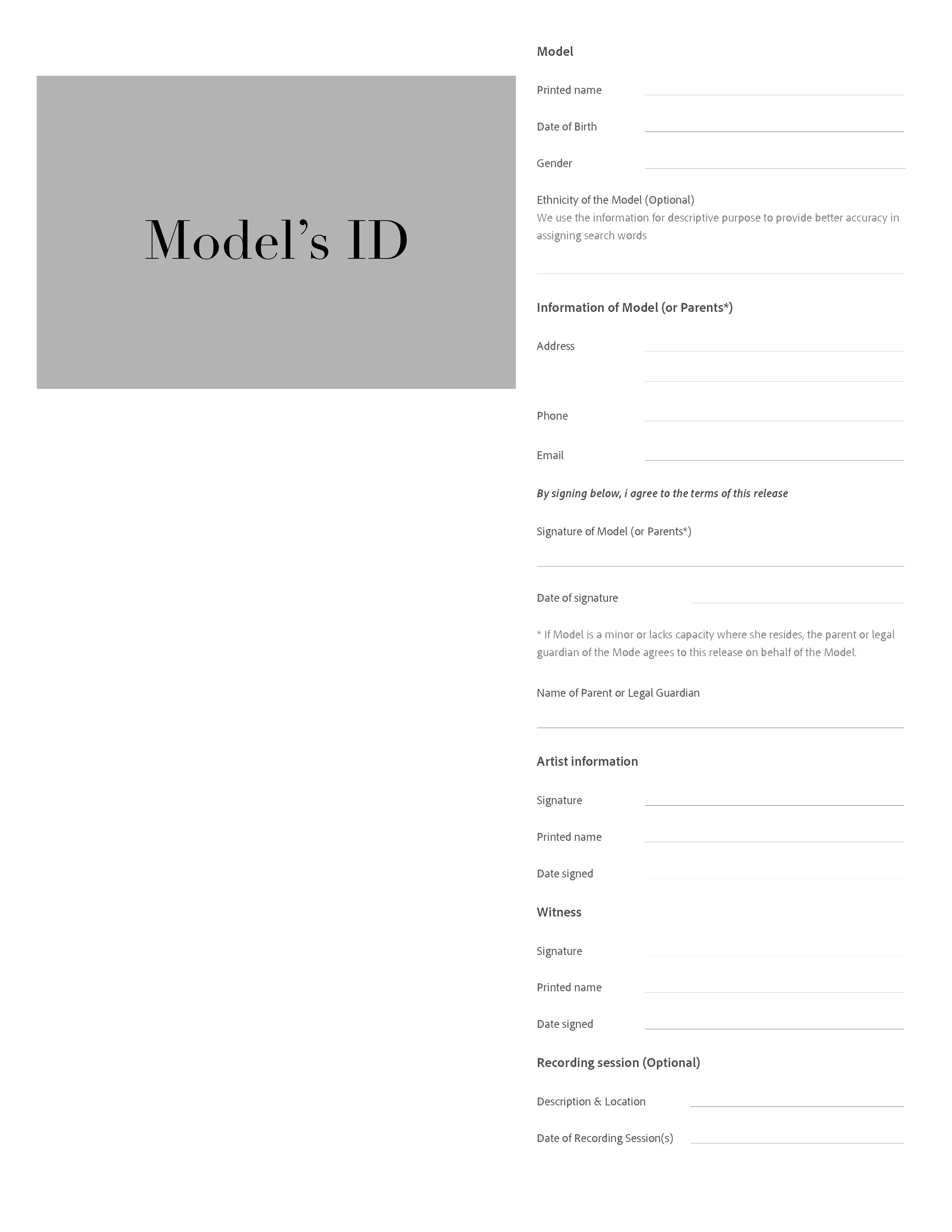
Sample of a model release document is displayed below:-

Design a site like this with WordPress.com
Get started